




Three masked individuals forced an emergency exit and a fire door before smashing six display cases in the main hall of the Musée Lalique early on July 5, according to local prosecutor François Antona. The raid, recorded on the museum’s CCTV system, lasted precisely 11 minutes and netted 27 jewellery creations before the perpetrators fled the site near Strasbourg. Alarms activated during the break-in but the private security contractor did not immediately alert police, leaving a cleaner to discover the theft roughly an hour later and summon authorities, the museum’s vice-chairman and local mayor Christian Dorschner told regional newspaper Les Dernières Nouvelles d’Alsace.
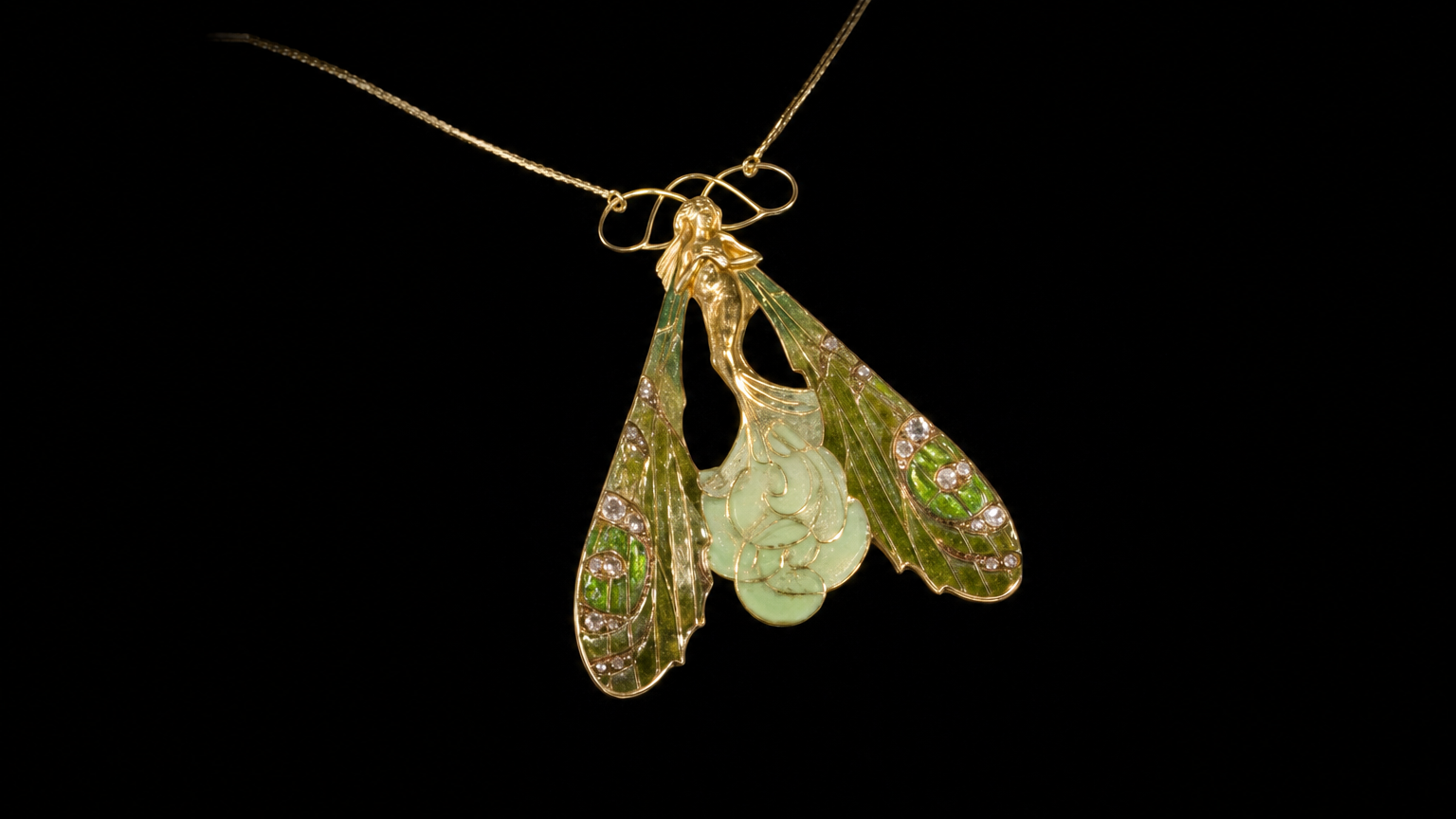
The stolen objects included the museum’s first acquisition, René Lalique’s “Woman Dragonfly With Open Wings” pendant crafted between 1898 and 1900 in gold, diamonds and plique-à-jour enamel, the institution said in a statement. Thieves also took an array of brooches, necklaces, pendants, two bracelets, a choker, a long necklace, a bust, a perfume bottle, a comb, a hatpin, a belt buckle and a face-à-main, according to the museum’s inventory. These pieces, fashioned largely from glass, enamel, horn and semi-precious stones rather than meltable precious metals, are prized for their artistic innovation over raw material value, a National Jeweler assessment found.
Investigators from the French Office against art trafficking have joined the inquiry, which continues without announced arrests or recoveries more than three months later, the Bas-Rhin prosecutor’s office reported. Dorschner voiced outrage over the security company’s delayed reaction, emphasising that specialists appeared to have targeted the most valuable items after careful preparation. The museum responded by closing indefinitely, opening a public crowdfunding drive in August to cover enhanced protection costs that insurance would not reimburse.
The Musée Lalique, inaugurated in 2011 adjacent to the historic glassworks in Wingen-sur-Moder, maintains a permanent collection of more than 650 works by René Lalique, who lived from 1860 to 1945 and pioneered organic Art Nouveau forms after apprenticeships with leading Parisian jewellers, Smithsonian Magazine records show. His output for houses such as Cartier and Boucheron before founding his own atelier established techniques that blended sculptural glass with jewellery, creating objects now regarded as heritage milestones across French cultural institutions. A 2021 Sotheby’s auction of 39 comparable Lalique pieces from a private collection realised nearly $2 million, illustrating sustained market interest in the designer’s output.
The July incident follows a daytime robbery at the Louvre Museum in Paris less than a year earlier, when thieves seized eight royal jewellery items described as priceless, multiple outlets including CBS News documented. That earlier breach exposed shortcomings in camera coverage across 35 percent of certain wings, according to subsequent audits cited by Radio France, and prompted nationwide directives for museums to reinforce safeguards. French authorities have since scrutinised similar vulnerabilities at regional sites housing high-value decorative arts.
Museum director Véronique Brumm Schaich stated on October 1 that the facility will reopen on November 28 following extensive repairs and security retrofits completed in coordination with gendarmerie experts and an interministerial safety mission. “We have hâte to be able to find our visitors again but it was first necessary to work on the repair and securing of the place to be able to prepare a serene reopening,” she said in the official announcement distributed by AFP. The extended closure has allowed time to implement recommendations that officials hope will prevent any recurrence at the Alsace landmark.
None of the stolen items have been recovered despite ongoing efforts by specialised units, the gendarmerie confirmed in its latest briefing. The heist has reignited discussions about safeguarding France’s dispersed heritage collections, many of which feature unique pieces whose cultural significance far exceeds their insurance valuations.