


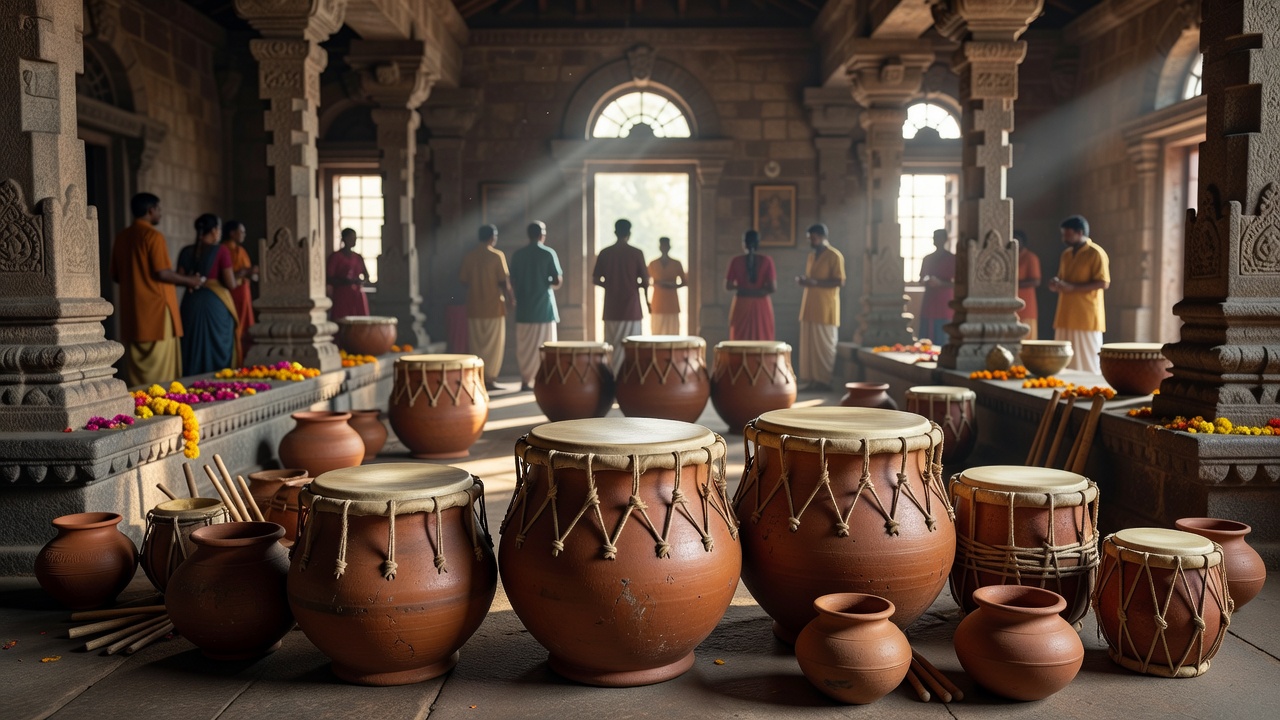


The Ghumat Arti competition at Mormugao Temple drew performers from multiple regions to showcase their mastery of the traditional drum-driven devotional form, Goa365 reported. Organizers structured the event to encourage both competition and collaboration, allowing artists to exchange techniques and experiences during rehearsals and post-performance discussions. Attendees witnessed a series of aarti renditions that highlighted the unique acoustic properties of the ghumat alongside accompanying instruments.
O Heraldo reported that women have begun making significant inroads into the historically male-dominated Ghumat Aarti and bhajan traditions throughout Goa. This evolution has appeared in several recent contests, expanding participation and introducing fresh interpretive styles to the performances. The trend has contributed to a broader revival of interest in these cultural practices among diverse demographic groups.
Prudent Media Goa covered an inter-higher secondary school Ghumat Aarti competition held in Panjim in September 2025 that attracted 18 teams competing for prizes totaling more than 2,000 rupees. That gathering sought to spotlight student talent and underscore the role of cultural activities alongside academics. Event coordinators at the time stressed that such forums equip young people with skills that support long-term preservation of Goan folk arts.
Mormugao Temple has maintained a longstanding position as a center for religious and cultural gatherings that strengthen local community ties. The decision to host the Ghumat Arti competition reflects its continued function in safeguarding regional customs through active programming. Temple authorities have backed similar initiatives in coordination with local cultural groups to maintain Goa’s distinctive intangible heritage.
Cultural coverage in regional outlets indicates that Ghumat Aarti competitions have expanded steadily in Goa since the start of the century, with multiple events staged each year particularly around the Ganesh festival season. These programs serve dual purposes of public entertainment and direct instruction on the art form’s centuries-old connections to temple rituals. The ghumat instrument, central to all such performances, remains a symbol of Goan identity in devotional music.
Groups such as the Sai Bodgeshwar Ghumat Aarti Mandal from Mapusa have extended the tradition to wider audiences, including a featured appearance at the WAVES summit in Mumbai, Prudent Media Goa stated. Those opportunities have raised national awareness of Goan cultural expressions. The recent Mormugao Temple event builds on this trajectory by concentrating on grassroots artist development and interaction.