


The Art Newspaper released a podcast on March 6, 2026, that connected ongoing war in the Middle East to broader disruptions across the cultural sector. According to coverage in The National, more than 100 Iranian artists, most still based in the country, saw over 300 works smuggled out for a London exhibition as flights were suspended and sanctions tightened following the escalation that began in late February. The episode noted how creators have turned to unconventional materials such as cardboard and tea-stained paper amid resource shortages, with all sales proceeds directed back to artists and galleries in Tehran.
Contemporary Istanbul, which closed in September 2026, absorbed some of the shock from the regional instability, an Artnet News report showed. The fair hosted 70 galleries, a 37 percent increase from the previous year, including a heightened presence of Iranian and Gulf participants who used the Turkish city as a base after disruptions to logistics and travel. One painting by the Iranian duo Peybak sold for €22,000 during the event, illustrating how the market has adapted by shifting activity to more stable hubs.
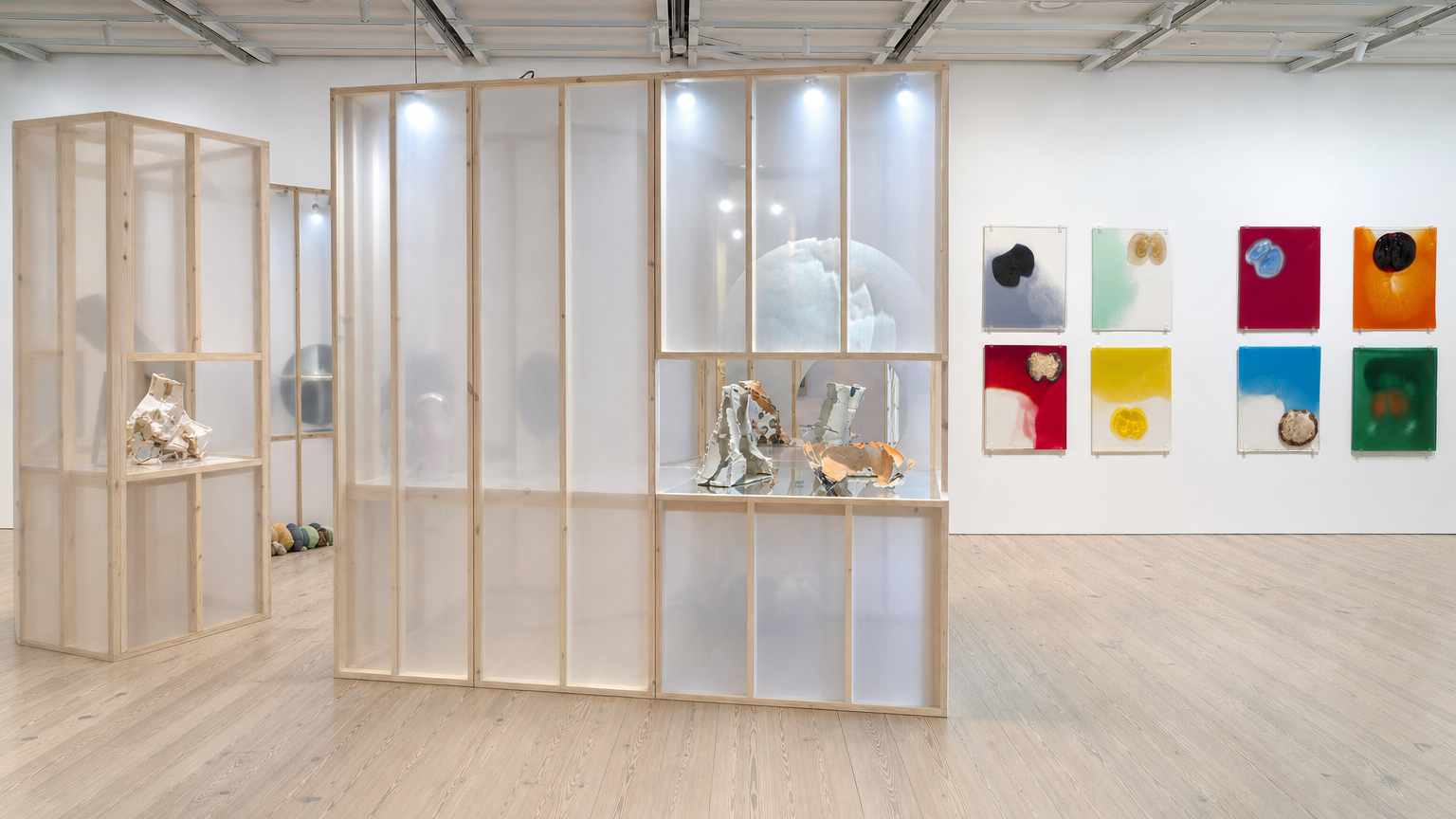
The podcast turned its attention to the Whitney Biennial, which the Whitney Museum of American Art opened on March 8, 2026. Curated by Marcela Guerrero and Drew Sawyer, the 82nd edition presents 56 artists, duos and collectives whose works address interspecies kinships, geopolitical tensions, technological networks and precarious ecologies, according to museum descriptions. Reviews in ARTnews and Hyperallergic indicated critics were split on the exhibition, with some praising its move away from identity politics toward infrastructural themes while others found its atmospheric approach uneven.
Nour Mobarak contributed resin and mycelium relief sculptures that explore reproduction and creation through casts of her body, including recordings made inside her vaginal canal during pregnancy, the Whitney Museum reported. The Brooklyn-based collective CFGNY installed porcelain forms cast from dollar-store objects alongside soft sculptures and architectural elements to examine trade histories and racial categorization, installation photographs released by the museum confirm. Organizers have kept portions of the show on view through October 12 after its initial run concluded in August.
Art historical developments featured prominently in the episode following the Rijksmuseum’s announcement on March 2, 2026. The Amsterdam museum reauthenticated “The Vision of Zacharias in the Temple,” a 1633 panel that had been removed from Rembrandt’s catalogue in 1960 and remained in private hands, according to director Taco Dibbits. Technical examinations over two years matched its materials, style and composition to Rembrandt’s early Amsterdam period, with the work now on long-term loan to the institution.
The painting shows the high priest Zacharias encountering the archangel Gabriel as divine light, a subject rendered with the narrative intensity typical of the artist’s Leiden-to-Amsterdam transition, Rijksmuseum researchers stated. A separate recent acquisition by The Leiden Collection depicts Rembrandt’s son Titus as Saint John on Patmos, identified through conservation that revealed symbolic elements such as a palm tree and eagle, collection representatives said. Such confirmations remain uncommon for the 17th-century master, whose authenticated output stands at a relatively small number of surviving works.
Exhibitions addressing trauma from the conflict have also emerged in Jerusalem, where the Bible Lands Museum opened “As Humankind” in its garden on September 24, 2026. The Jerusalem Post reported that participating artists described being unable to work in the immediate aftermath of earlier attacks, only later finding renewed perspectives on growth and resilience that curator Yael Boverman-Attas tied together thematically. The podcast framed these responses as evidence of the art world’s continued engagement with global events even as logistical and economic pressures mount.