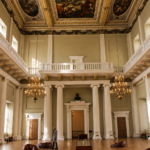





The Trent Park Museum Trust opened the House of Secrets at the Enfield estate on July 21 to the public for the first time detailing its transformation into a Second World War listening post where high-ranking German prisoners were unwittingly recorded. Senior officers including 59 generals lived in opulent surroundings with access to fine wine gardens and a library while hidden microphones captured their discussions around the clock. The resulting intelligence shaped Allied strategy on weapons development and enemy plans according to museum exhibits that recreate both the upstairs hospitality and the basement operations.
Sir Philip Sassoon a prominent politician and socialite had owned the neo-classical mansion where he entertained Winston Churchill and Charlie Chaplin during the interwar years. The property was requisitioned by the British government in 1939 and placed under MI19 direction with Lieutenant Colonel Thomas Kendrick overseeing its conversion into a surveillance centre known as Cockfosters Camp. Engineers from the General Post Office installed a network of concealed microphones in walls light fixtures plant pots the billiard table and even outdoor benches with wires running to monitoring rooms below a setup detailed in accounts from the Trent Park Museum Trust.
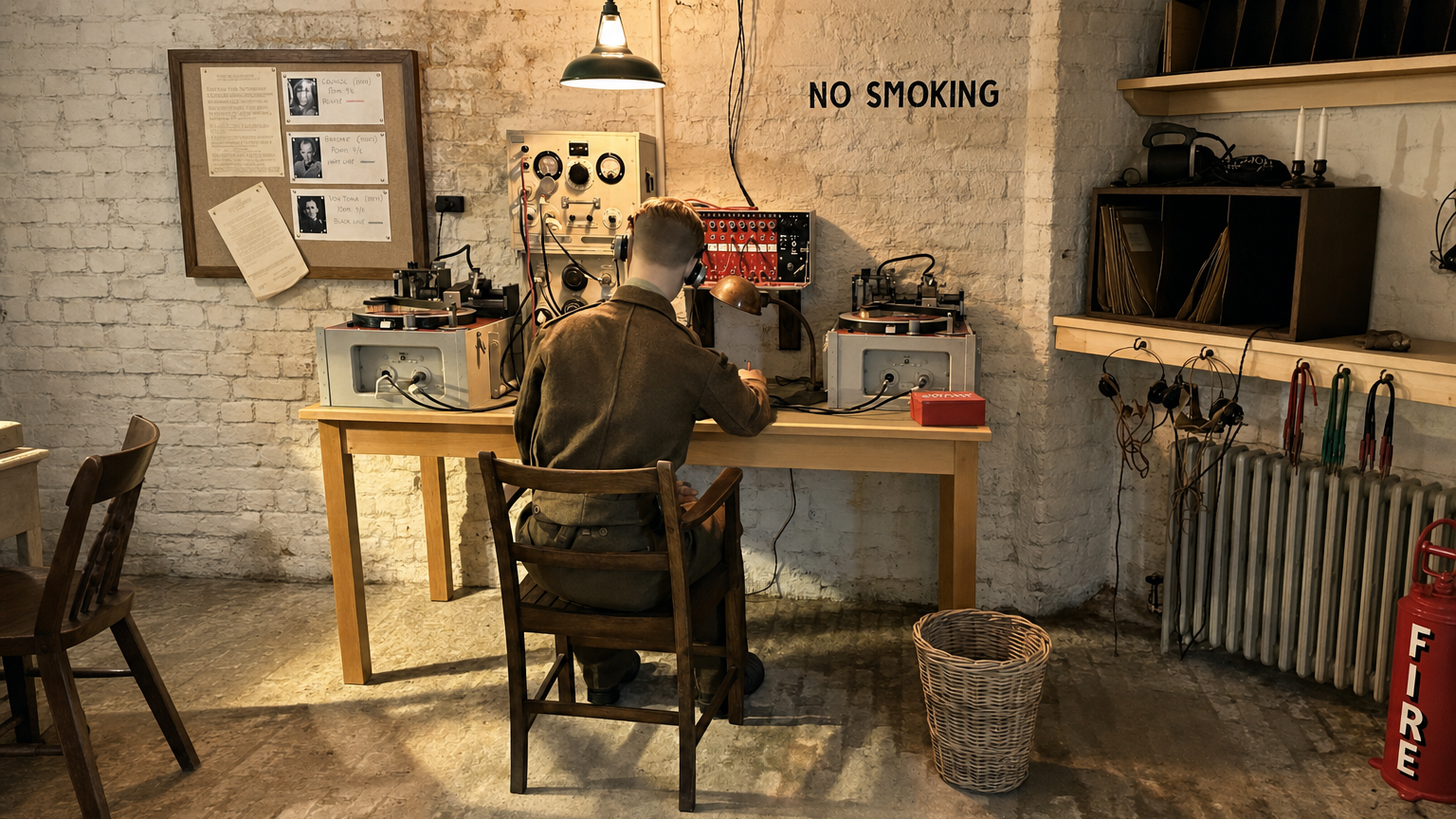
Secret listeners primarily German-speaking Jewish refugees who had fled Nazi persecution staffed the basement in shifts transcribing thousands of hours of conversations recorded in seven-minute segments on acetate discs. These operatives understood nuances of slang and technical jargon that British listeners might have missed providing accurate translations of revelations about V-2 rocket development U-boat tactics and early reports of concentration camp atrocities. A Smithsonian Magazine review of the site noted that roughly 100 such refugees contributed to the effort which the museum compares in strategic importance to the codebreaking work at Bletchley Park.
Captured officers were deliberately lulled into complacency with privileges including escorted trips to London and access to books from the abandoned German embassy believing their interrogations had ended. This environment prompted loose talk among the prisoners including one general’s assessment that Hitler was insane and Germany would lose the war. The intelligence allowed Allied forces to target experimental weapon sites and V-1 V-2 launch positions according to historical analyses incorporated into the museum’s displays.
Helen Lederer a trustee of the Trent Park Museum Trust and granddaughter of one listener learned of her grandfather Ernst Lederer’s role only while making a BBC documentary. Lederer who had escaped Czechoslovakia in 1939 was among those who signed the Official Secrets Act and never discussed his wartime service before his death. Museum director Giuseppe Albano said at a press preview “We are right in the middle of living breathing history” highlighting how the restored rooms unite the mansion’s prewar elegance with its espionage past.
State rooms on the ground floor have been returned to their 1930s appearance with original artworks and furnishings belonging to Sassoon while the basement now features recreated listening stations offices and working areas for visitors. The opening forms the centrepiece of a broader development that includes 250 new homes on the grounds with 14 apartments integrated into the main house yet preserves the historical fabric. BBC News coverage of the launch emphasised how the site exposes a little-known chapter of British ingenuity that supplemented traditional codebreaking with human intelligence gathered through deception.