



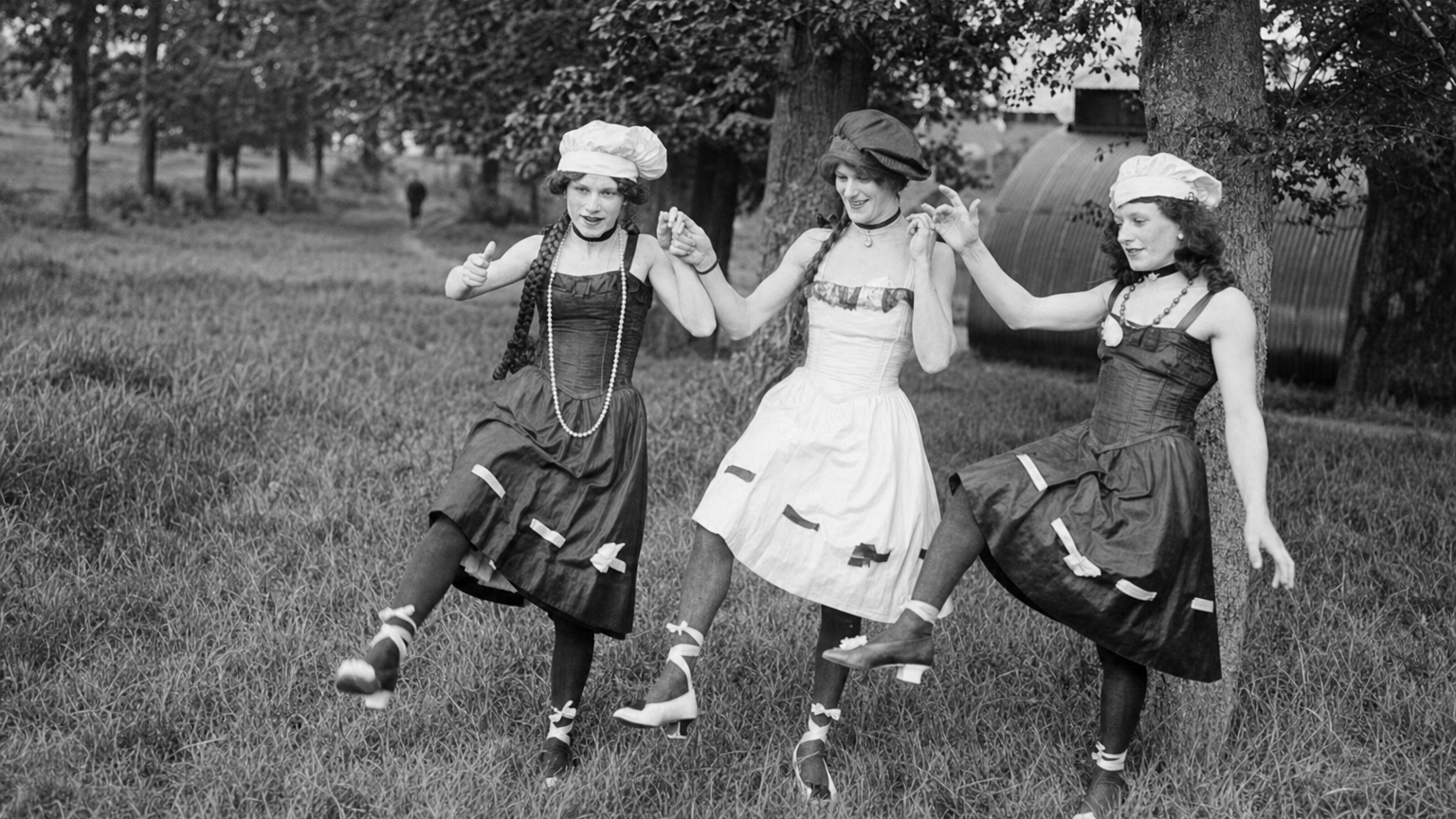


Belgian film director Lukas Dhont discovered photographs of First World War soldiers performing in drag while researching his new movie “Coward,” which has received awards at the Cannes Film Festival this year. The images depicted men staging theatrical shows to entertain troops, a practice Dhont learned was widespread on the Western Front but largely omitted from standard historical accounts. According to the director, the revelation prompted him to examine the politics of memory in Belgium, where the conflict remains a central part of education and public commemoration yet these elements stayed hidden. Dhont told The Brussels Times that he grew up driving past war cemeteries but had never encountered such images before.
Soldiers crafted costumes from available materials including parachutes, ropes and even bullets while building stages from ammunition boxes, the director explained in the interview. With few women allowed near the front lines, male performers took on all female roles in productions that ranged from improvised sketches to more elaborate travelling shows touring the trenches. One account described a soldier dressing in a sandbag skirt and bonnet to act as a “mother” figure who would kiss others good night, illustrating how such performances provided psychological relief amid the horrors of war. The Brussels Times reported that Dhont first encountered the subject through a book cover that immediately drew him to the story.
The movie “Coward” builds on this historical footnote to explore themes of queerness in the early 20th century and how societies choose what aspects of the past to remember. Dhont stated that the absence of these stories from Belgian curricula and memorials confronted him directly with selective remembrance. “I was so confronted by our politics of memory when I saw that photo,” he said. “I grew up in Belgium. The First World War is part of our education. I drive past the cemeteries when I go visit my boyfriend. And yet I had never seen these pictures. Why are we hiding them?”
Historians have documented that such concert parties and drag performances were common among British, French and other allied forces as a means to maintain morale during the prolonged stalemate from 1914 to 1918. A study by the Imperial War Museum notes that thousands of troops participated in amateur theatricals, often involving cross-dressing, though official narratives focused overwhelmingly on combat and sacrifice. The Western Front alone saw more than 10 million military casualties, according to figures from the Commonwealth War Graves Commission, providing the grim backdrop against which these entertainments emerged.
Dhont’s work arrives amid broader discussions in Belgium about how the nation commemorates the First World War, particularly in regions like Ypres where memory intersects with contemporary politics. The director expressed surprise that despite extensive teaching on the conflict, inclusive elements like these performances had been sidelined by historians for decades. In the interview, he described opening the relevant book as a pivotal moment that reshaped his understanding of both the war and societal attitudes toward queer expression then and now.
The film has drawn attention for its sensitive portrayal of soldiers who found camaraderie and escape through performance, challenging traditional views of wartime masculinity. Dhont laughed when recounting his initial encounter with the material, the publication reported, before delving into how creativity flourished under extreme conditions. This approach has positioned “Coward” as more than entertainment, serving instead as a commentary on forgotten histories that continue to influence public discourse on memory and identity.