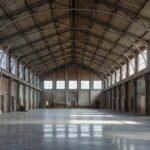



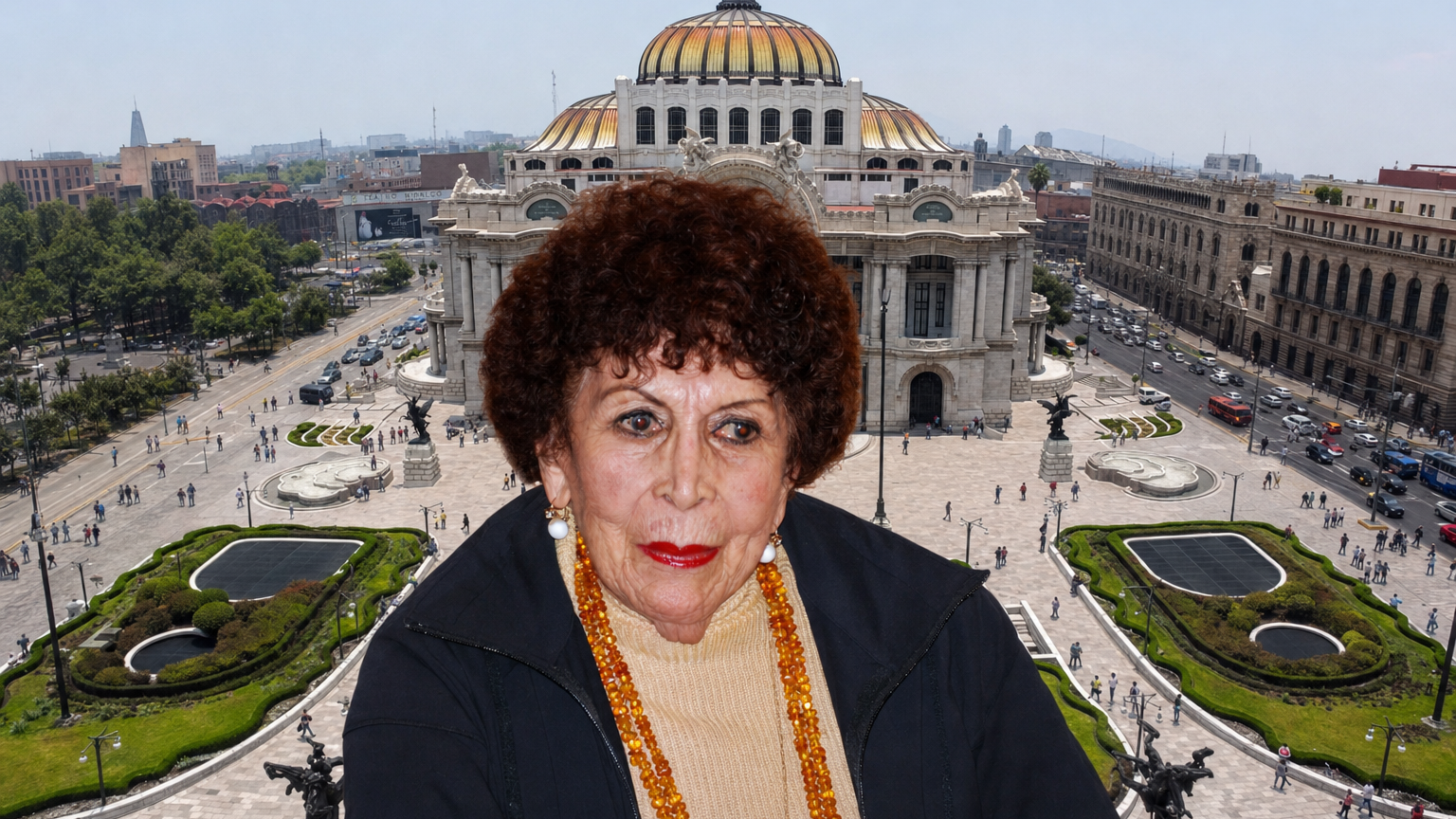


The exhibition titled Geles Cabrera: Partituras Corporales arranges the works into three sections that examine her dynamic language centered on the body as well as her pioneering efforts in artist-run initiatives according to a report published by The Art Newspaper in February 2026. Curator Joshua Sánchez drew from public and private collections to present pieces in volcanic stone terracotta bronze and plexiglass that depart from the nationalist styles prevalent during her formative years. The display includes a live dance performance that Sánchez described to the publication as turning the exhibition into a sensory experience in a shift for the historic institution.
Born in Mexico City in 1926 Cabrera trained at the Academia de San Carlos in Mexico the San Alejandro Academy in Havana and La Esmeralda where she also pursued studies in classical folk and experimental dance the Instituto Nacional de Bellas Artes y Literatura has detailed in its exhibition materials. She emerged as one of the first professional female sculptors in the country at a period when women faced significant barriers to institutional recognition and support. Cabrera balanced her practice with teaching for 37 years at a national preparatory school and motherhood often working in limited spaces such as her kitchen.
The artist established the Museo Escultórico in her Coyoacán home in 1966 as a self-managed venue for exhibition archiving and community engagement which operated until 1990 according to records from the Instituto Nacional de Bellas Artes y Literatura. One section of the current retrospective reactivates that project by presenting Cabrera’s sculptures in dialogue with works by contemporary artists Madeline Jiménez Santil Manuela García and Paula Cortázar. This component highlights her strategies for bypassing traditional gatekeepers and fostering broader circulation of sculptural art.
Key pieces on view include Perfil del viento from 1965 which earned an honorable mention at the Third National Sculpture Biennial as well as experiments with plexiglass from her 1971 Formas Ambientales exhibition the museum’s documentation shows. Cabrera’s frequent use of black or gray volcanic stone reflects dialogues with Mesoamerican aesthetics combined with her interest in rhythm fluidity and corporeal choreography drawn from her dance background. The Instituto Nacional de Bellas Artes y Literatura has noted that her practice bridged traditions while challenging the dominant canons of mid-20th-century Mexican art.
The retrospective arrived after Cabrera received the Bellas Artes Medal in Visual Arts in 2023 Mexico’s highest lifetime achievement award in the field which the Instituto Nacional de Bellas Artes y Literatura presented as recognition of her foundational role. Earlier efforts to highlight her contributions included a 2018 documentary by artist Pedro Reyes and her first solo exhibition in the United States at the Americas Society in New York in 2022 Artnews reporting indicated. Interest from collectors and institutions has grown steadily in recent years as her place in the narrative of Mexican modern sculpture has been reassessed.
A catalogue released in January 2026 compiles essays images from the installation and a full checklist of exhibits the Instituto Nacional de Bellas Artes y Literatura announced during a presentation event featuring the participating contemporary sculptors. The publication aims to provide contemporary perspectives on her legacy and influence on subsequent generations of artists. The exhibition remains open to the public until 5 April 2026 at the Museo del Palacio de Bellas Artes with guided tours available during holiday periods.