




The black-and-white image, captured in Hitler’s sitting room at 16 Prinzregentenplatz, shows the Cranach painting positioned to the right of a door and was first reproduced in a 1978 Munich auction catalogue from Hermann Historica to authenticate furniture with Nazi provenance. Art historian Birgit Schwarz, who is preparing a book on Hitler’s personal art collection, identified the work in the overlooked snapshot, according to The Art Newspaper. Schwarz had earlier published the photograph in Germany and confirmed Hitler’s ownership through an album of his artworks found at the Library of Congress in 2006. The image offers the clearest visual evidence yet that the 1526-27 painting formed part of the Nazi leader’s private holdings.
A British journalist and Nazi sympathiser, George Ward Price, wrote in his 1937 book I Know These Dictators that Hitler had recently acquired a Cranach along with two Bruegels for the Munich apartment after a 1936 visit. The Art Newspaper assessment found that Hitler most likely obtained the panel around 1935, potentially through a forced sale or seizure from a Jewish collector following its last documented appearance at a 1909 Berlin auction. Between 1933 and 1945 thousands of artworks were stolen from Jewish families or sold under duress, according to postwar historical accounts. No restitution claims have been filed for this particular Cranach.
After the war the painting turned up in a warehouse of recovered artworks in Berchtesgaden, where American forces had gathered cultural property from Nazi collections. In late May or early June 1945 journalist Patricia Lochridge, a foreign correspondent for Woman’s Home Companion, was named mayor for the day in the area and permitted to select one piece from the depot. Her son Jay Hartwell told the National Gallery in 2004 that Lochridge chose the Cranach and smuggled it into the United States. “My mother was told she could go into the warehouse and pick out whichever piece she wanted. She then smuggled the painting into the United States,” Hartwell stated.
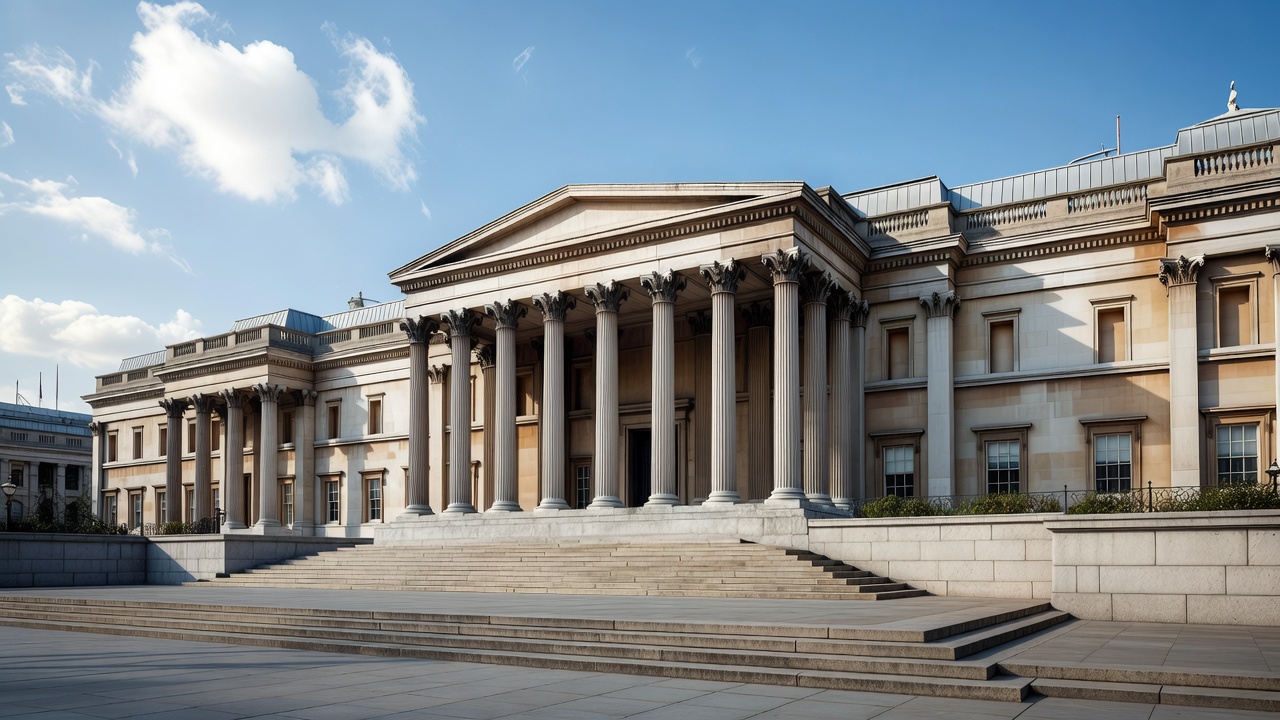
Lochridge, who later married and changed her name, offered the work to the Metropolitan Museum of Art in 1962 without success. The National Gallery in London purchased it the following year from the E. & A. Silberman Galleries in New York, adding the Renaissance panel to its collection where it remains on public view. The London institution has revised its provenance records to reflect the Hitler connection, The Art Newspaper reported. The painting depicts Cupid complaining to Venus after being stung by bees, a signature mythological theme by Lucas Cranach the Elder.
Birgit Schwarz’s research, republished in the journal Kunstchronik in 2023, has brought renewed attention to the object’s path through the Nazi era. The Art Newspaper noted that this marks the first English-language appearance of the apartment photograph. Provenance specialists continue to examine similar works as part of systematic reviews of Nazi-era displacements that began intensifying in the 1990s. The discovery underscores ongoing efforts by museums to document the histories of paintings that passed through high-profile collections during the period.