


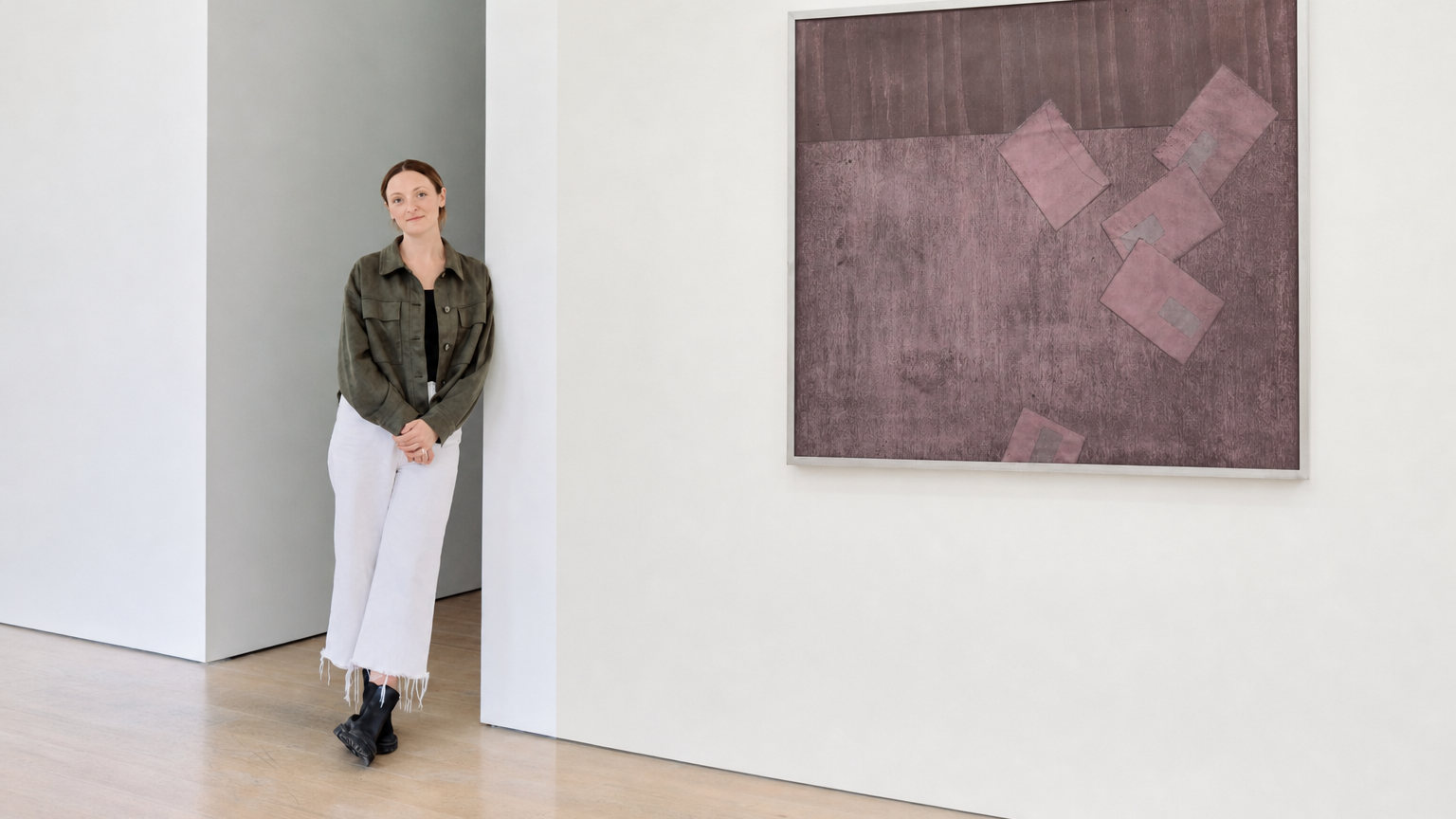


Sid Motion Gallery plans to close following its final exhibition in October 2026, according to reporting in The Art Newspaper. Founder Sid Motion framed the decision as deliberate and positive, saying the business is stopping while the programme and finances remain intact. Motion added in a statement that she could see the gallery was not in the financial position to fully honour the potential of each artist on her roster and would not compromise on the level of support they deserve.
The gallery opened in 2016 after Motion transformed a disused betting shop in King’s Cross into exhibition space while holding down a full-time job, a detail carried in coverage from ARTnews and Ocula. It relocated to the Penarth Centre in South Bermondsey in 2019 and organised the annual South Bermondsey Art Trail with open studios and events. Sid Motion built a reputation for mixed-media programming that placed emerging and mid-career artists alongside established international figures including Magdalena Abakanowicz and Rose Wylie.
The final exhibition titled That Which Appears opens on September 18 and continues through October 31, The Art Newspaper reported. Co-curated by Olivia Bax and James Fisher, the show represents the gallery’s 85th and last presentation. The exhibition will later travel to the Millennium Gallery at Sheffield Museums in 2028 according to ARTnews.
The closure forms part of wider pressures on London’s commercial gallery sector, where an analysis by Tim Schneider for The Art Newspaper found at least 26 galleries had downsized or closed between January and July 2026. The Art Basel and UBS Art Market Report placed the global art market at $59.6 billion in 2025, a 4 percent increase, yet gallery and dealer sales grew by only 2 percent to $34.8 billion. Similar challenges prompted the simultaneous closure of Beers Gallery after 14 years, as reported by Artnet News.

Motion participated in art fairs including NADA Miami, Photo London and Condo Mexico City during the gallery’s decade of activity, according to multiple accounts. The gallery maintained a low-cost model in its early years without certainty that sales from one exhibition would finance the next, FAD Magazine reported. Its activities helped develop South Bermondsey as an artist-dense neighbourhood, Ocula noted.
The gallery’s Instagram announcement of the closure on August 11 drew responses highlighting its artist-centred approach, with one user writing it created a wonderful vibrant gallery and community over the last decade. Another commenter described the decade as incredible and praised the brilliant exhibitions and artist-centred approach with integrity and enthusiasm. A third post noted the gallery gave so much time in conversation that provided lasting advice.