



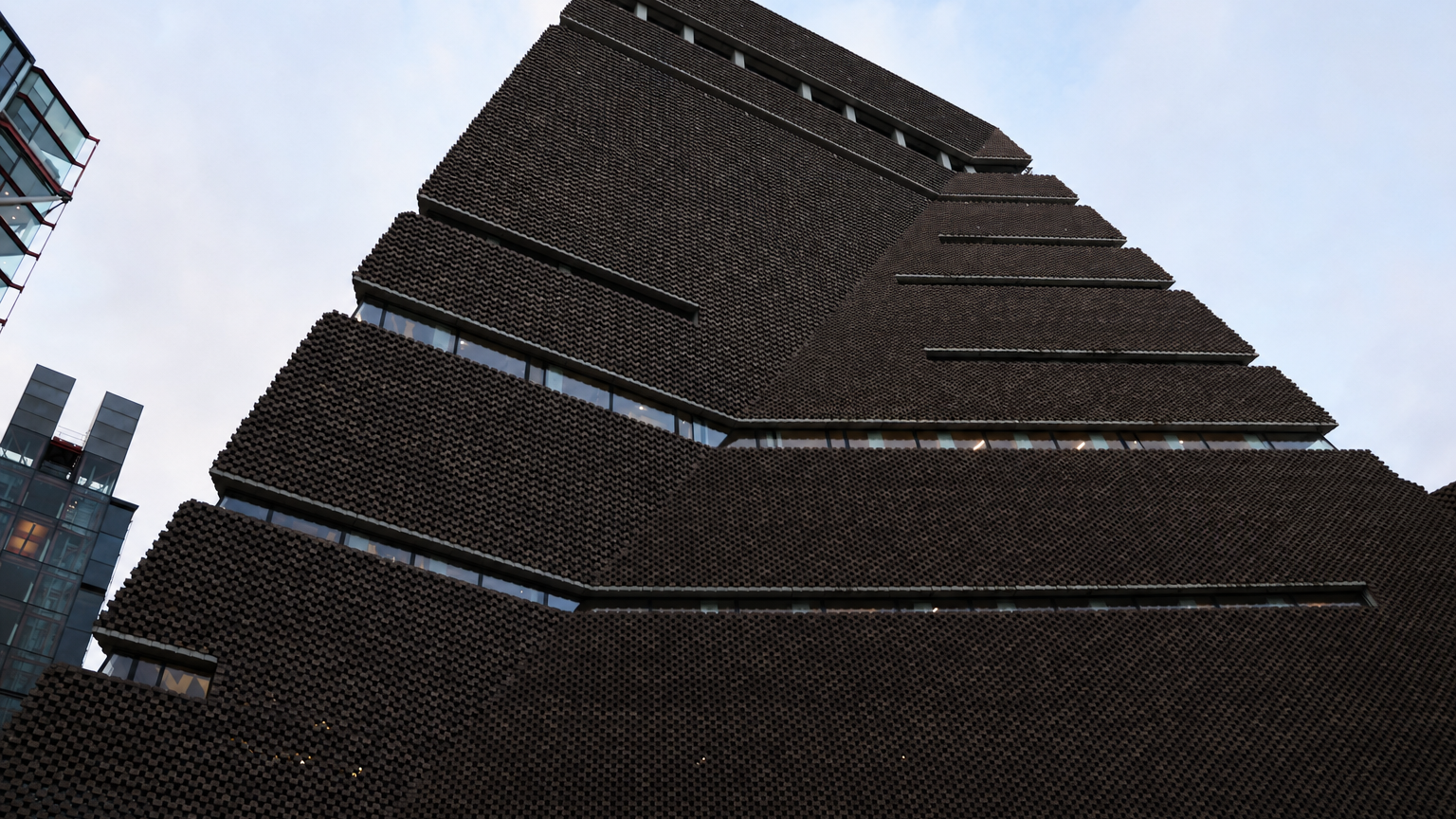


Tate Modern has organised the first major UK exhibition of Ana Mendieta’s work in more than a decade, which will recreate several of the late artist’s ephemeral earth-body sculptures when it opens this summer. The survey brings together 150 works spanning her career including remastered films, rarely seen paintings and drawings, late sculptures and restaged installations, according to a Tate press release. It will run through 17 January 2027 and seeks to immerse visitors in the Cuban-American artist’s practice by presenting her temporary interventions in the landscape as living elements within the gallery space.
The exhibition opens with Ochún from 1981, Mendieta’s last moving-image work that shows waves rushing around a human silhouette carved in sand, Tate reported. Curators will regularly light Ñañigo Burial, a 1976 Silueta constructed from black ritual candles, throughout the display. A recreation of the artist’s first earth-body work produced for an indoor gallery setting will transform one room into a forest-like environment assembled from branches, leaves, soil, moss and stones while a tree sculpture first produced in 1982 will be restaged outdoors adjacent to the museum.
Mendieta, who lived from 1948 to 1985, described her output as belonging to the tradition of Neolithic art during a 1984 interview. “My work is basically in the tradition of a Neolithic art,” she said. “I’m not interested in the formal qualities of my materials, but their emotional and sensual ones.”
Born in Havana, Mendieta was sent to the United States at the age of 12 as part of Operation Pedro Pan following the Cuban revolution, an experience that informed her recurring themes of displacement and belonging, Britannica records. She developed the Silueta Series between 1973 and 1980 by pressing her body into natural settings or using materials such as flowers, fire and mud to create imprints that she documented in photographs and film. Later visits to Cuba in the 1980s prompted her to carve Rupestrian Sculptures directly into limestone caves near Jaruco drawing on Taíno indigenous motifs and prehistoric forms.
In 1984 Mendieta toured Neolithic sites including locations in Malta, Italy and Ireland which reinforced her view of her own practice as connected to ancient mark-making, The Art Newspaper reported. The Tate survey is structured around symbolic places such as caves, woodlands, water and thresholds rather than a strict chronological order. Valentine Umansky, the exhibition curator, said the approach allows audiences to experience the slowing effect of Mendieta’s work from the moment they enter the galleries.
“You step into the exhibition and suddenly you’re hit by the sound of waves,” Umansky said. “It slows you down, it slows your heart down, and it allows you to effectively attune to your own body.” The display continues Tate Modern’s presentation of multidisciplinary artists whose work challenges conventional boundaries between performance, sculpture and land art while introducing Mendieta’s contributions to new generations of visitors.