


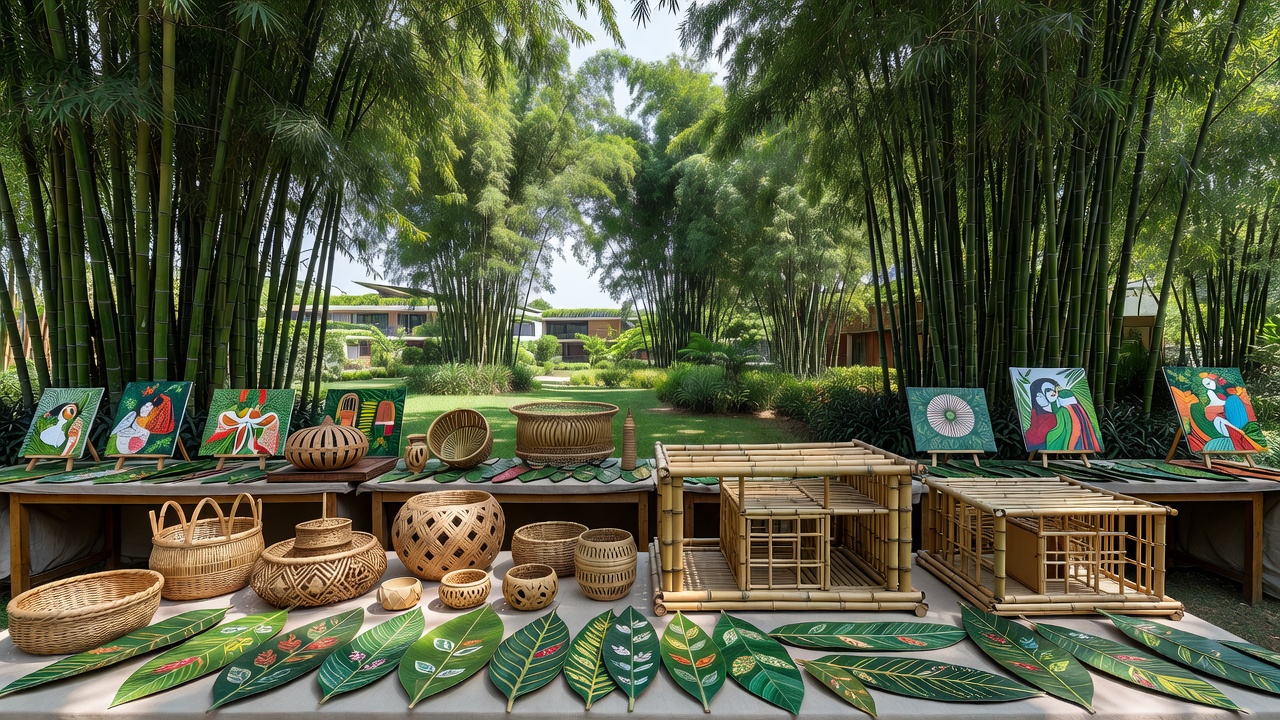


The Centre for Green Building Materials and Technology hosted its annual Bamboo Habba festival on September 19 to demonstrate practical and creative uses of the fast-growing grass. According to the organisation’s announcement, the event ran from 10 a.m. to 3 p.m. at CGBMT headquarters on IVC Road in Devanahalli and combined limited-capacity workshops with a cultural programme. Workshops covered bamboo model-making, artefact creation, leaf painting and acrylic painting while traditional dance, a skit and musical performances illustrated the material’s cultural resonance in the region. Food service and open community interaction formed additional elements of the day’s schedule.
Registration for each 15-person workshop closed on September 17 with bookings managed exclusively through the CGBMT website. The 2026 gathering extended the model established in the prior year’s edition which featured exhibitions detailing bamboo’s importance to Bengaluru’s carbon-neutral targets by 2030 along with guided sessions on plantation, product design and construction techniques. Organisers described the festival as an accessible entry point for residents to explore sustainable materials through direct participation rather than passive observation.
A related project covered by The Times of India involves CGBMT partnering with the Bengaluru North corporation to expand bamboo coverage in the Jakkur ward where climate pressures such as heat, flooding and pollution are pronounced. The initiative, backed by 1.6 crore rupees released in June, includes soil preparation, one year of maintenance and planting of 26,000 additional plants across parks, stormwater drains, lake edges and underused plots to join 2,000 specimens already present. The ward-level effort supports a citywide aim of one bamboo plant per resident and incorporation of the species in 30 percent of new builds.
Bamboo’s quick maturation cycle and capacity to restore soil while sequestering carbon position it as a cornerstone for urban regeneration according to details in the corporation agreement reported by The Times of India. Mature plants become available for harvest after five years opening pathways for local livelihoods in addition to environmental gains. The Centre for Green Building Materials and Technology supplies technical oversight and community engagement for the Jakkur plantation which forms an early step toward making the city carbon-neutral by 2030 and regenerative thereafter.

Integration of artistic and cultural components at Bamboo Habba helps translate technical sustainability objectives into formats that resonate with diverse audiences. The festival aligns with a broader calendar of community-driven events across Bengaluru that address ecological challenges through participatory formats. CGBMT maintains an ongoing schedule of masterclasses that address widespread misconceptions regarding bamboo’s viability in contemporary construction and design applications.
Attendees at the September 19 event acquired foundational skills in bamboo handling and gained clearer understanding of its applications across construction, furniture, textiles and energy sectors. The organisation continues to position the annual observance as a recurring platform for advancing green building awareness throughout the region. Future iterations are anticipated to incorporate expanded exhibits and coordinated planting drives linked to international observances such as World Bamboo Day.