




The Jeu de Paume is presenting the first major retrospective of Madeleine de Sinéty, titled Une vie, which features numerous previously unseen color photographs alongside her black and white images. Curated by Jérôme Sother and Quentin Bajac, the exhibition opened on 12 June following its debut at the Jeu de Paume in Tours and runs through 27 September. It draws from an archive that remained largely private during the artist’s lifetime, revealing her immersive approach to capturing communities on both sides of the Atlantic.
Born in 1934 into an aristocratic family in the Loire Valley, de Sinéty saw the family château destroyed by fire at age 14. She studied at the École des Arts Décoratifs in Paris and began her career as a fashion illustrator for magazines in the 1960s. According to biographical material from the exhibition, she taught herself photography at the end of that decade, initially documenting changes around Paris’s Montparnasse station before venturing into rural settings.
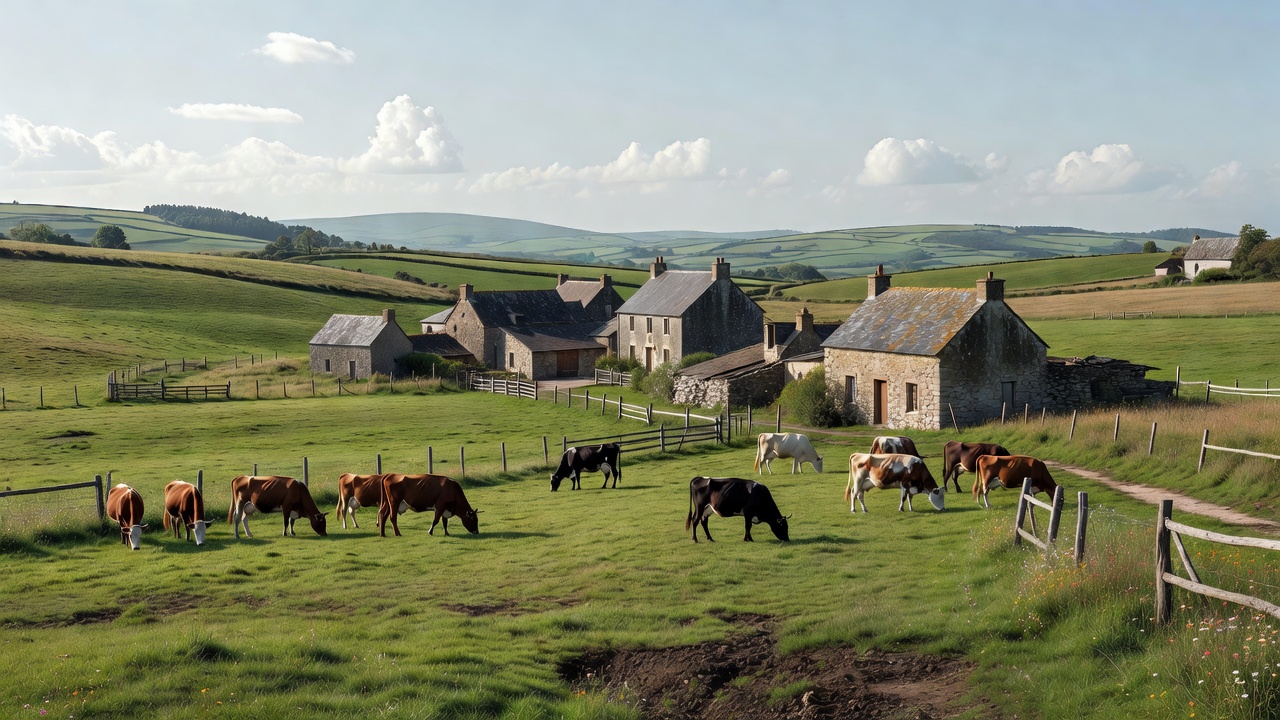
De Sinéty produced more than 50,000 photographs in the Breton village of Poilley between 1972 and 1982 after impulsively deciding to settle there. The Art Newspaper reported that she integrated fully into village life, working in the fields with residents and projecting her images for them. In a 1996 text, she described the project as telling the story of the relationship between the inhabitants, the land and the livestock they rear through the tumult of modern life.
Following her 1978 marriage to American journalist Daniel Behrman, de Sinéty relocated to the United States in 1980, first to California and later to Rangeley, Maine. There she continued photographing local residents in a similar intimate style and took on work as a wedding and event photographer after her husband’s death. She also participated in workshops with photographers including Mary Ellen Mark and traveled to Uganda to document village life.
The photographer’s work received limited public attention during her lifetime, with exhibitions at the Bibliothèque nationale de France in 1996 focusing on her black and white images and at the Portland Museum of Art in Maine in 2011. A France 5 documentary titled Le village de Madeleine aired on the exhibition’s opening night, according to local listings. The Paris show expands on the Tours presentation after director Quentin Bajac viewed it and suspected there was more material to explore.
Extracts from de Sinéty’s personal journals appear in the exhibition, offering insights into her thoughts alongside the visual record. Her practice blended artistic, personal and ethnological elements, as she maintained detailed observations of the disappearing ways of life she encountered. The retrospective positions her as a key figure in documentary photography who worked independently of commissions or commercial pressures.