


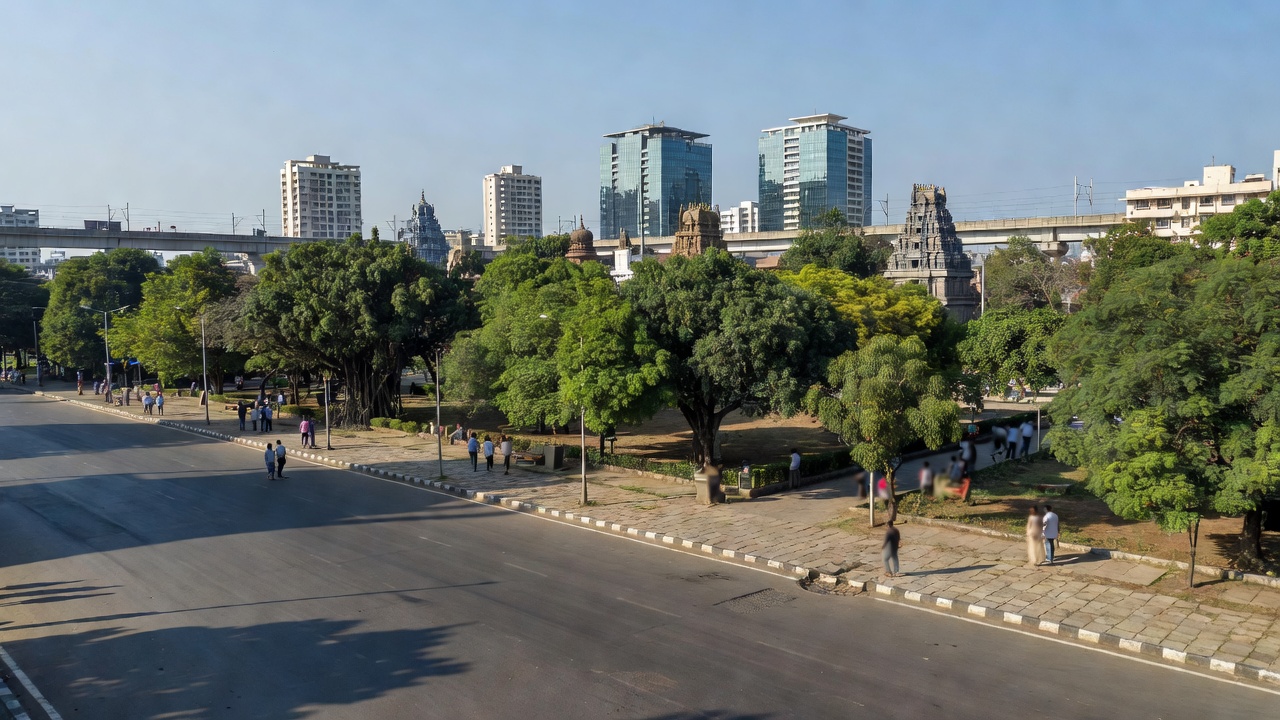


The Karnataka government intends to turn the entire city into a decentralised stage for Bengaluru Jatre with no single central venue or ground according to an announcement by Bengaluru Development Minister Krishna Byre Gowda. The 10-day event running from December 4 to 13 will encourage neighbourhoods institutions and public spaces to host their own programmes ranging from music and dance to heritage walks and innovation showcases. Krishna Byre Gowda described the festival as an opportunity for the city built by people from many linguistic and cultural backgrounds to celebrate its diversity under the theme Many People Multiple Cultures One City. The minister added that Bengaluru itself will become the stage for these activities.
Bengaluru Jatre draws directly from Karnataka’s traditional Ooru Habba or village jatre in which entire communities come together for collective celebrations a model the minister said suits the cosmopolitan capital. The Greater Bengaluru Authority will coordinate the effort in partnership with the Kannada and Culture Department Tourism Department KSTDC BMRCL BMTC and various educational bodies. A central web portal is expected to allow citizens cultural groups and organisations to register their independent events and integrate them into the citywide calendar according to officials involved in the planning.
Streets parks playgrounds museums corporate campuses and Metro stations could host everything from folk art performances and literature sessions to science outreach and food festivals during the event. The Kannada and Culture Department will highlight traditional Karnataka art forms while the Tourism Department and KSTDC focus on heritage experiences and local cuisine. Schools colleges and research institutions including IISc and IIM have been invited to organise student-led activities exhibitions and public interactions as part of the broader programme.
The announcement follows the success of Freedom Habba a one-day citizen-led cultural event held at Vidhana Soudha on Independence Day August 15 2026 that featured parades living museums and performances celebrating India’s unity in diversity. That event which drew wide participation from linguistic communities across the state prompted Chief Minister D K Shivakumar to direct organisers to develop a larger dedicated festival for Bengaluru. Krishna Byre Gowda noted that the Jatre builds on the same spirit of inclusivity while extending activities across the full urban landscape rather than concentrating them in one location.
Bengaluru already maintains a robust calendar of cultural festivals that provide context for the new initiative. The Karaga festival one of the city’s oldest and largest celebrations dates back several centuries and brings together sacred rituals civic participation and multilingual traditions according to historical accounts documented by Sahapedia researchers. Separately the Bengaluru Ganesh Utsava marked its 64th edition in September 2026 with music theatre and community gatherings tracing its origins to a modest 1962 gathering that grew through public support and cultural programming. Such longstanding events underscore the city’s capacity to blend heritage with contemporary expressions of identity.
Organisers have estimated the overall cost of Bengaluru Jatre at between 15 crore and 20 crore rupees with the Kannada and Culture Department alone allocating 5 crore for its contributions. The Greater Bengaluru Authority will collaborate with civic agencies including police traffic police water board and electricity utility to manage logistics and ensure smooth implementation across multiple sites. Letters have been sent to IT companies private educational institutions art galleries and hotel associations encouraging them to create festive atmospheres and host public programmes on their premises.

Participation remains open to artists students community groups and private entities who can co-create content aligned with the festival’s goals of fostering belonging and cultural exchange. The initiative arrives as the state continues infrastructure improvements in roads water supply and traffic management while seeking to enrich quality of life in a fast-paced urban environment. Officials stated that the Jatre will also support tourism by attracting visitors interested in experiencing the city’s multifaceted cultural landscape first-hand.