




The Kathmandu Post carried a review on October 10, 2026, of Sara Rai’s short story collection ‘Other Skies, Other Stories’, in which critic Angana Sinha Ray focuses on the writer’s ability to capture lives that cannot be held indefinitely. Sinha Ray observes in the article that Rai holds each life for exactly as long as looking allows, then gives it back to its own passing. The book, originally written in Hindi and translated by Ira Pande and the author, draws from three decades of the writer’s work and centers on small-town existence in Allahabad.
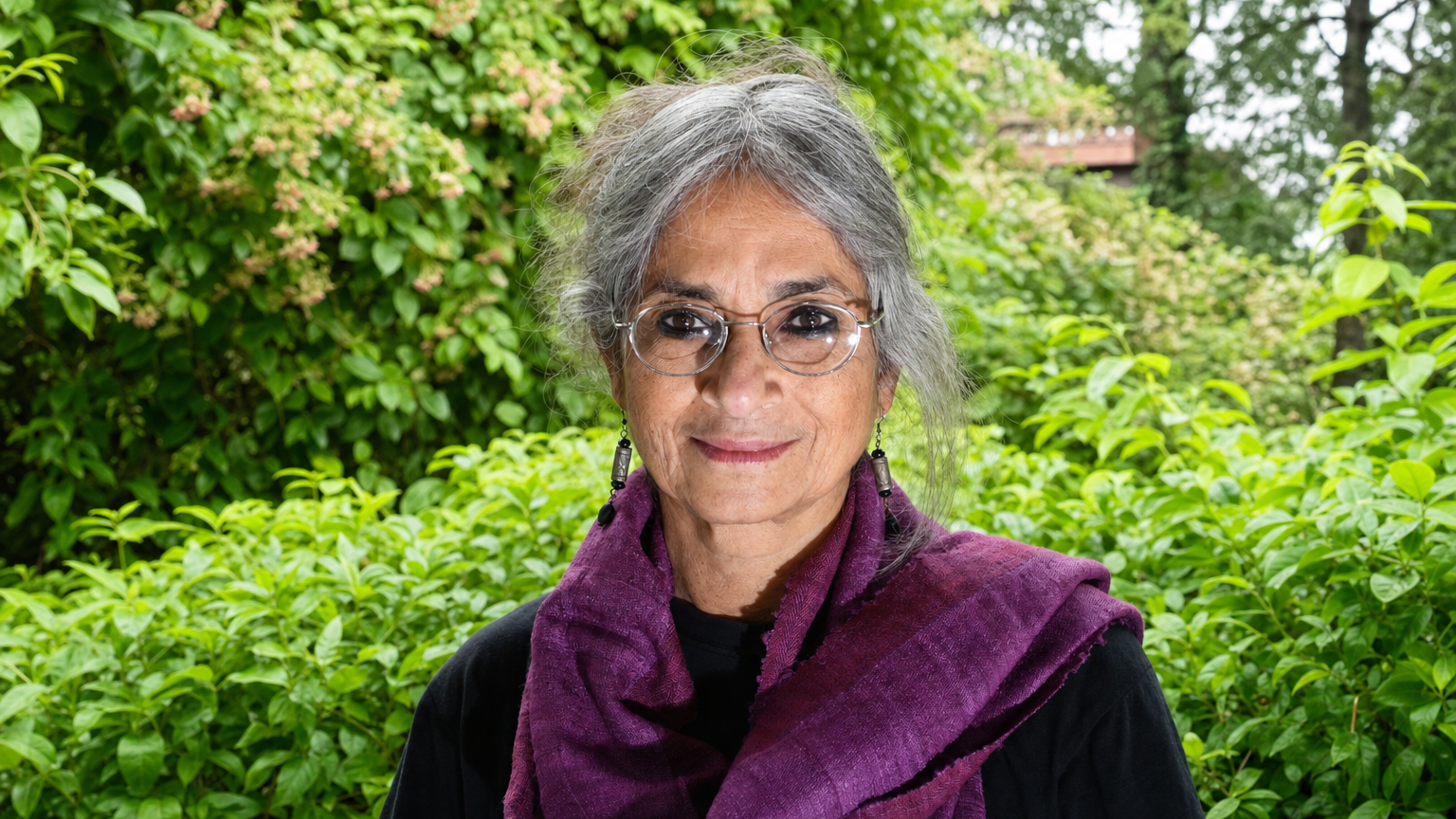
Sara Rai, born in 1956 as the granddaughter of Hindi author Munshi Premchand, maintains a home in Prayagraj, formerly known as Allahabad, according to biographical details maintained by Wikipedia editors. She earned a master’s degree in modern history from Jawaharlal Nehru University in 1978 and completed a second master’s in English literature at the University of Allahabad three years later. Rai has published multiple Hindi story collections and a novel, along with English translations of works by Premchand and Vinod Kumar Shukla, the latter winning the Mathrubhumi Book of the Year Award in 2020.
In the introduction to ‘Other Skies, Other Stories’, which Zubaan Publishers released in September 2025, Rai states that the linguistic ground beneath her feet keeps shifting, with words from one language percolating into the other. The Kathmandu Post review notes that this mixture of Hindi and Urdu, occasionally interrupted by English phrasing even in dreams, forms the atmosphere of the narratives. Sinha Ray points to a scene in the title story where a character carves a name into ice, aware it will melt by evening, as emblematic of the collection’s reach that never fully closes its grasp.
The volume contains 20 stories that pay close attention to elements of nature, including trees, birds, insects and fish, alongside human figures such as the character Nabila and Surabhi from the piece titled ‘Catfish’. A description on the Penguin Random House India website for the book explains that Rai’s faultless ear for Hindustani cadences allows her to illuminate small-town life with details a bilingual writer might notice. The Kathmandu Post assessment adds that the city itself remains a stable backdrop while the lives and languages within it remain fluid.
Rai’s earlier memoir ‘Raw Umber’, issued by Westland Books in 2023, examined her childhood in the 1960s and the influence of her father, literary critic and painter Sripat Rai. The Scroll.in review of ‘Other Skies, Other Stories’ from January 2026 indicates the new collection similarly arises from an astute understanding of the everyday, inviting readers into the perspectives of its characters without analytical distance. Sinha Ray’s piece in The Kathmandu Post reinforces this view by stressing how the stories orient toward a real rather than invented place.
German translations of Rai’s selected short fiction earned the Coburg Rückert Prize in 2019 and a nomination for the Weltempfänger Prize the following year, literary festival profiles record. Her essay ‘On Not Writing’ appears in ‘The Book of Indian Essays’ edited by Arvind Krishna Mehrotra. The Kathmandu Post review situates ‘Other Skies, Other Stories’ within this body of work that consistently returns to questions of memory, family legacy and the quiet movements of the natural world.
Sinha Ray’s analysis avoids recounting individual plots in favor of tracing the cumulative effect of Rai’s pared-down, evocative language. The reviewer describes the prose as Zen-like in its meditation on profound yet silent shifts, keeping the author’s presence unseen while animating each character. This approach, the article concludes, allows the collection to honor impermanence without attempting to arrest it.