




The Kathmandu Post described the play as one that blends local folklore, humour and music to tell a story of absence and longing while questioning how society judges men and women differently. The article published on October 10, 2026 noted the production’s focus on a daughter’s search for her father and a mother’s extended wait. Such themes draw directly from the lived realities of families in Nepal’s Far-Western hills where labor migration to India remains common.
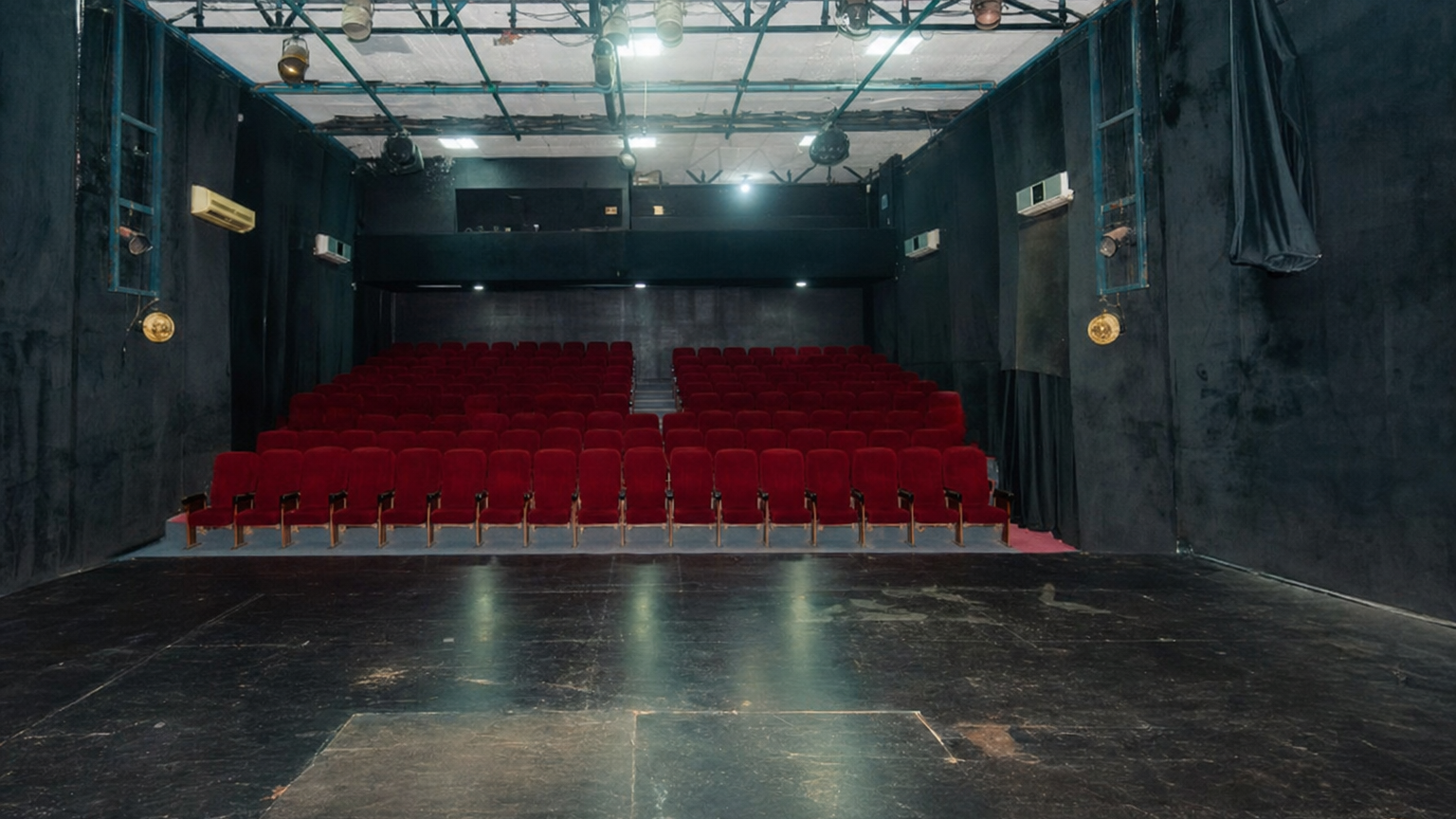
A September 30 report from Artist Khabar indicated that the play titled ‘Shree Bijjo Bhoot – Katha Sudurko’ is currently being staged at Mandala Theatre in Thapagaun, Kathmandu and presents the culture, folk beliefs and emotional struggles of Nepal’s Far-Western region. The story follows Gauri, a young woman whose father left for India many years ago. When Hari, a returnee from Bombay, offers to help locate him in Mumbai, Gauri embarks on a journey that reveals layers of uncertainty and social pressures.
This journey exposes her to various social realities and personal challenges while the mother remains at home in anticipation, as detailed in an October 2 report from OnlineKhabar English News. The narrative highlights the emotional toll of prolonged family separations caused by the search for employment abroad. Humour woven into the script provides balance to the heavier themes of vulnerability and trust.
Reports indicate that the title refers to a local deity or spirit from Ningla village in Dadeldhura, where residents believe that wrongdoing cannot go unpunished and that the entity must be addressed as Shree or Da. A goat character appears in the production, understood as potentially sent by or inhabited by this spirit. Traditional songs, dances, costumes and dialects from the Far West add layers of authenticity to the staging.
Writer Diwas Nath stated that the play serves as an attempt to document the soil, lifestyle, language, art, culture and folk traditions of his community, as quoted in a October 2 report from Rising Nepal Daily. The joint directors Buddhi Tamang and Akash Nepali, both connected to the region, have worked to authentically represent these elements on stage. The cast, including Sushmita Kunwar as Gauri, Aditya Mishra as Hari, Sneha Joshi, Bhupi Lohar, Umesh Sunam and others, delivers performances that capture regional mannerisms.
Makalu Khabar reported that the play, produced by Somnath Khanal for Mandala Theatre Nepal in collaboration with Subakasha Pictures, will continue through October 11, 2026 with daily evening performances at 5:30 pm except on Mondays and additional 1:30 pm matinees on weekends. The production has been praised for its acting, music, lighting and set design. It stands as one of the first major Kathmandu stagings to center Far-Western language and stories so prominently.