




Mohan Guragain, a desk editor at The Kathmandu Post, described his multi-day trek to the Annapurna Base Camp as a journey that combined intense physical demands with profound opportunities for inner peace. In the account published Monday, Guragain explained how the trail helped him regain confidence in his physical strength after a period of doubt. The experience, which took him through the Annapurna Conservation Area, left a lasting impact on both body and mind, according to the newspaper.
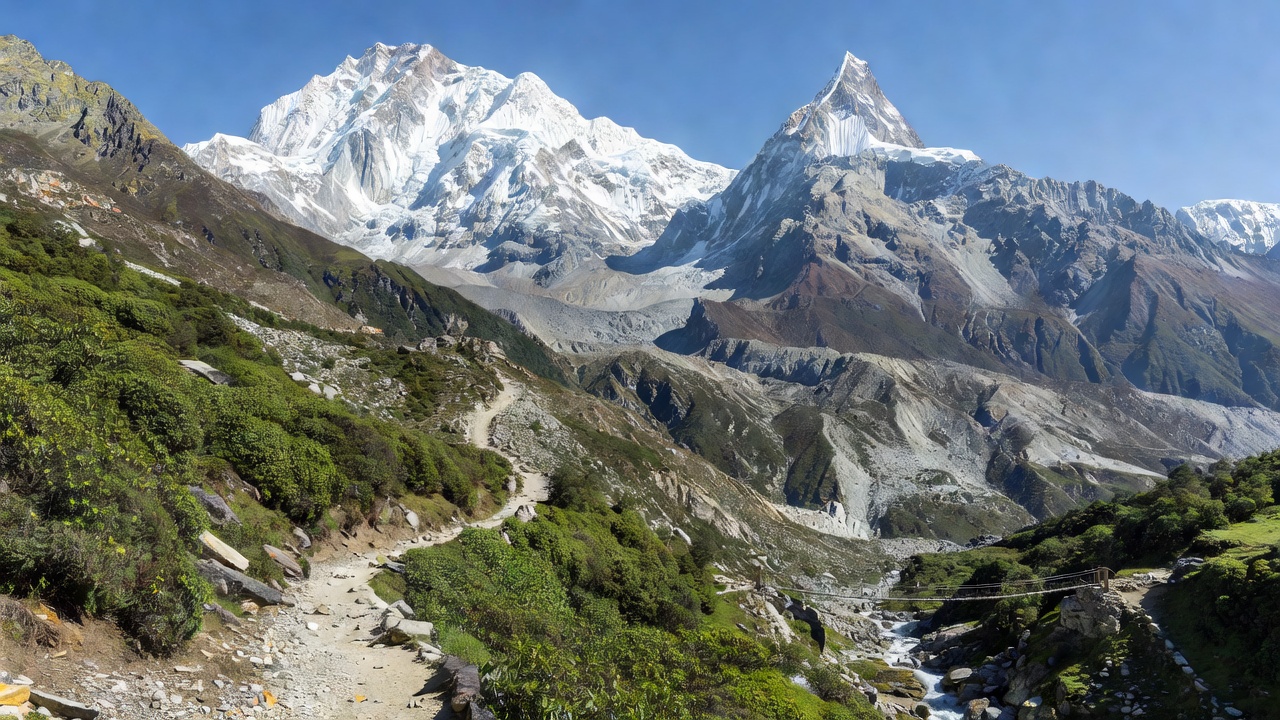
Guragain wrote that the ABC trail tested his limits with steep ascents, rocky terrain and the effects of altitude as he progressed toward the 4,130-meter base camp. Moments of physical strain were frequent, from carrying a heavy pack across suspension bridges to battling fatigue in thin air. These challenges, however, alternated with periods of quiet reflection amid the Himalayan landscape, where the author found a sense of mental calm that had eluded him in his urban routine.
The trek typically lasts seven to 10 days round trip from the starting point at Nayapul, passing through diverse ecosystems ranging from lush forests to barren high-altitude zones. Guragain highlighted the rejuvenating effect of the surroundings, including views of iconic peaks such as Annapurna I and Machapuchare. He stated that the ABC trail restored the lost confidence in his physical strength and rejuvenated his soul.
Nepal Tourism Board figures show the Annapurna region attracted more than 30,000 foreign trekkers to the circuit alone in the previous year, underscoring its enduring popularity as a destination. The conservation area, spanning 7,629 square kilometers, supports local Gurung communities through tourism while protecting biodiversity. Guragain’s narrative adds a personal dimension to this appeal, illustrating how such treks offer more than scenic rewards.
Along the route, the author encountered teahouses and villages that provided rest and cultural insights, balancing the physical exertion with human connections. He noted how disconnecting from daily digital demands contributed to clearer thinking and reduced stress. This contrast between strain and serenity forms a central theme in his published reflection.
A report from the Annapurna Conservation Area Project indicated that visitor numbers have increased steadily since the lifting of pandemic restrictions, with infrastructure upgrades aiding safer access. The project emphasizes sustainable tourism to preserve both the environment and the cultural heritage of the region. Guragain’s account aligns with this focus by demonstrating the personal value of responsible trekking practices.