




Lieutenant Governor Manoj Sinha inaugurated the Basohli Utsav in Kathua on September 28, 2025, framing the gathering as the Mahakumbh of art, culture and tradition that reconnects communities with their Indian heritage. The festival was organised by the J&K Academy of Art, Culture and Languages in partnership with the Divisional Administration Jammu and the Indira Gandhi National Centre for Arts, with Col (Retd) Mahan Singh, DDC Chairman for Kathua, and Thakur Darshan Singh, MLA for Basohli, among those in attendance. Sinha used the occasion to advocate a coordinated governmental strategy that would elevate Basohli paintings both nationally and internationally while improving livelihoods for the artists who sustain the tradition.
The Lieutenant Governor portrayed Basohli as far more than a geographic location, calling it an energy field where generations of artists, writers and traditional practitioners have dedicated their lives to perfecting their crafts. He noted that sensitivity runs through the town’s cultural practices, creating a distinctive exuberance of art and heritage that deserves broader appreciation. According to Sinha, the Utsav serves as a platform to build Brand Basohli and open global avenues for its handicrafts and distinctive miniature paintings.
India’s expanding economic influence has brought greater worldwide attention to its cultural, artistic and traditional strengths, Sinha observed. He pointed out that the nation’s philosophical and spiritual dimensions continue to attract admiration, reinforcing soft power on the international stage. The Lieutenant Governor tied these developments directly to initiatives such as the Basohli Utsav that showcase regional contributions to the national cultural narrative.
A whole-of-government approach must be adopted to market Basohli paintings across India and beyond while securing economic benefits for local creators, the Lieutenant Governor declared. He encouraged young participants to engage with the festival’s symposium and workshop focused on the Ramayana. Sinha’s address underscored the event’s role in fostering wider recognition for the town’s artistic legacy.
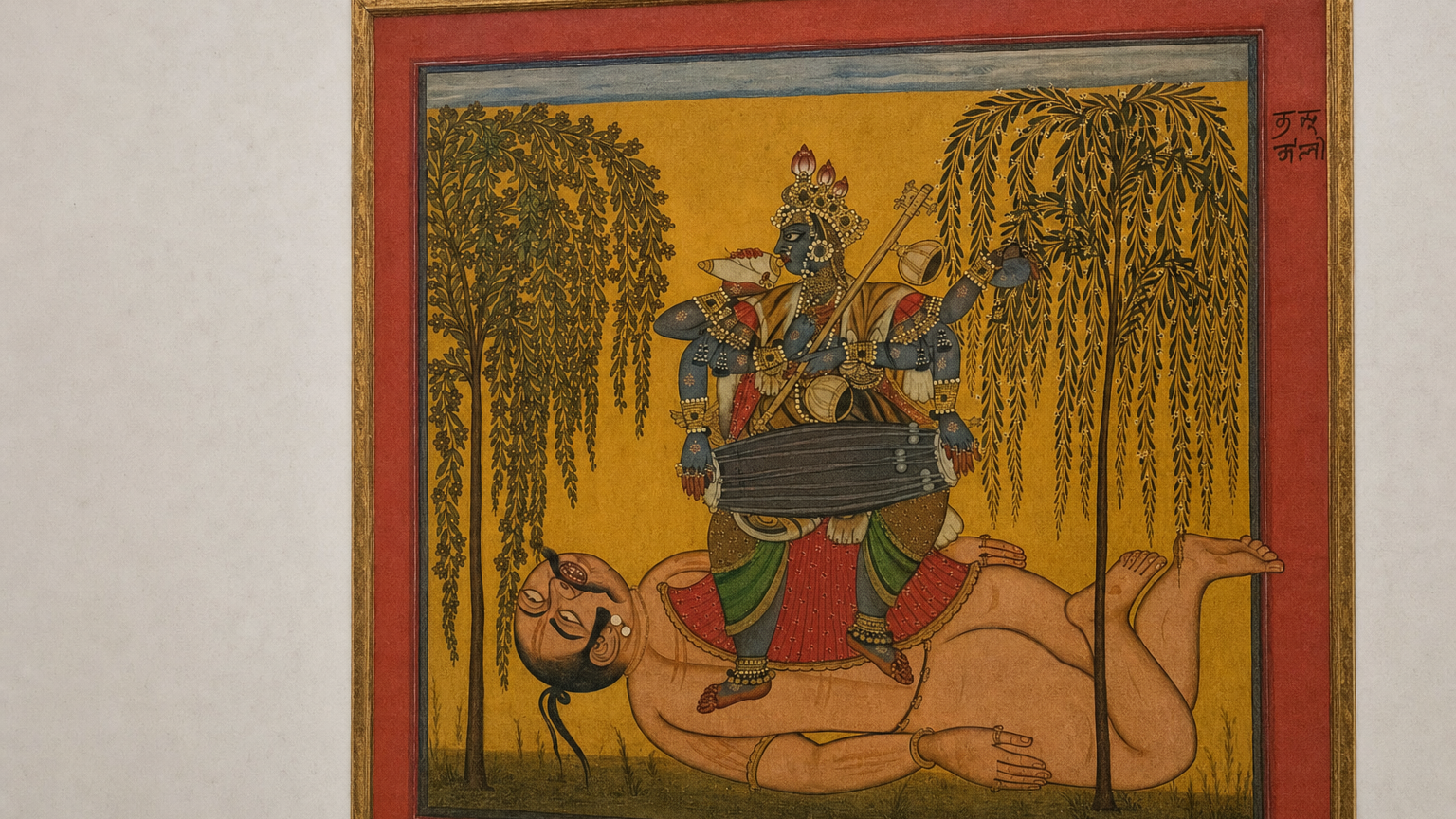
Basohli paintings originated in the late 17th century as an early form of Pahari miniature art, flourishing under local rulers and blending mythology with folk elements in a style marked by bold colours and expressive features. NABARD recommended the Geographical Indication tag for these works in 2023, establishing them as the first independent GI-tagged product from the Jammu region and providing legal safeguards against imitation. The recognition builds on earlier administrative efforts to connect artisans with wider markets and prevent counterfeiting of both paintings and related Pashmina products.
The paintings’ distinctive traits, including large eyes, flat backgrounds and occasional use of beetle-wing fragments for ornamentation, set them apart within Indian miniature traditions and have sustained interest among museums and collectors worldwide. Historians trace key early series such as illustrated versions of the Rasamanjari and Gita Govinda to patronage in the Basohli area during the reigns of local kings in the 1600s and 1700s. Continued promotion through festivals like the current Utsav aims to preserve these techniques while introducing them to new generations of practitioners and audiences.