
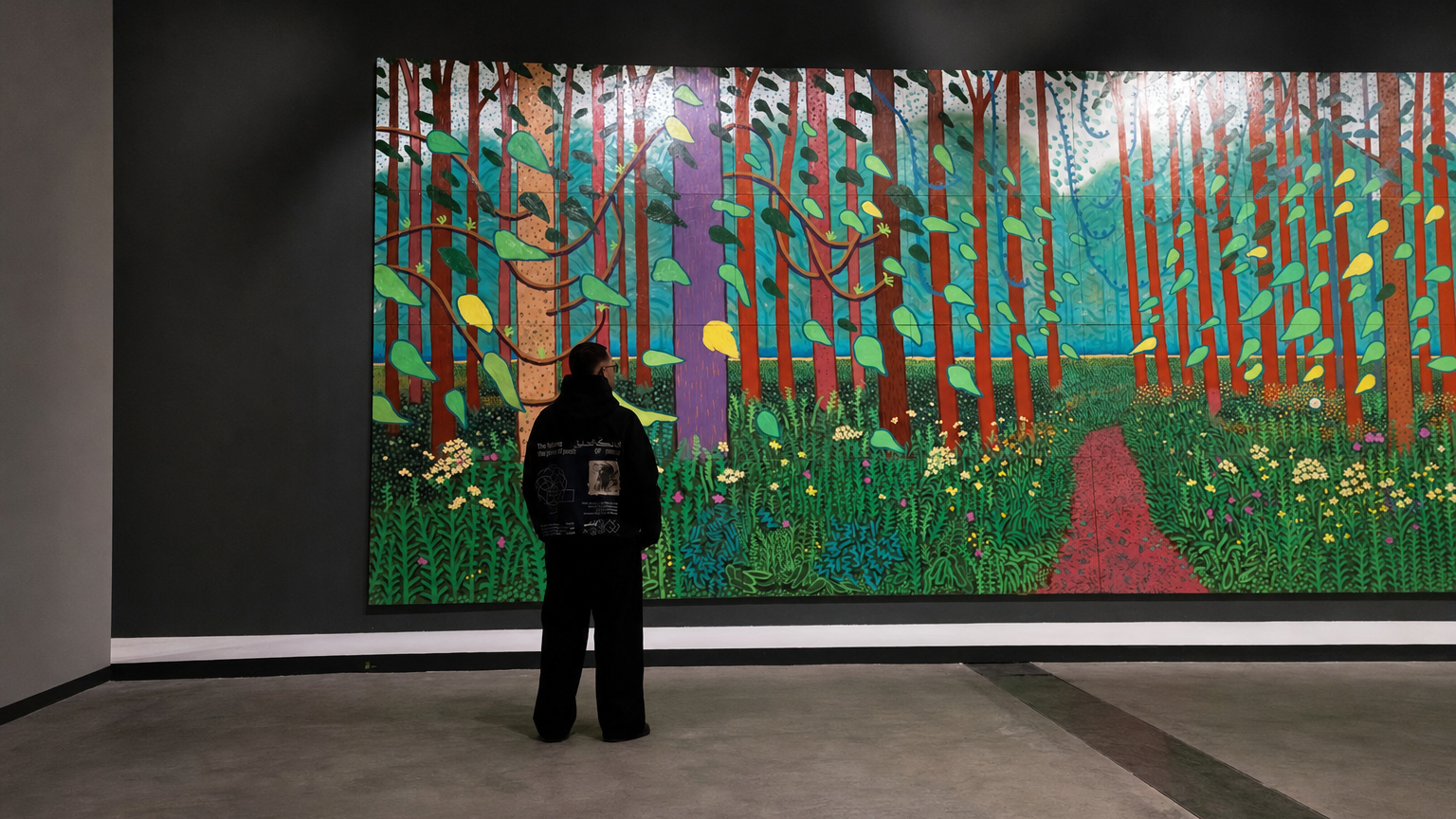


The AlUla Contemporary Art Museum was officially named and its vision outlined on 1 February 2026 during the opening of the Arduna group exhibition in the AlUla oasis, The Art Newspaper reported. Candida Pestana, the museum’s director, told The Art Newspaper that the three pillars for the institution and for AlUla are heritage, the environment and the landscape, and community. Pestana added that the museum aims for artists to work with the community while taking into account the territory and the location in AlUla. The announcement coincided with the fifth edition of the AlUla Arts Festival.
The museum will collect full bodies of work by artists rather than individual pieces, allowing visitors to delve into the research sketches and evolution of creations, according to details shared at the event. Its collecting parameters will span international as well as Arab regional and Saudi artists, with press materials provided by the museum indicating that around 60 to 70 percent of the collection will come from regional artists and approximately 30 percent from international ones. The Royal Commission for AlUla, which oversees the project, has positioned the institution as a platform for exhibitions commissions residencies research and publications.
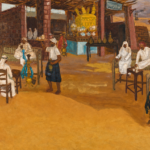
Arduna, meaning “our land” in Arabic, features more than 80 works exploring humanity’s relationship with nature and serves as a preview of the museum’s curatorial strands, The Art Newspaper stated. The exhibition, co-curated by the AlUla Contemporary Art Museum and Paris’s Centre Pompidou with support from the French Agency for AlUla Development, includes pieces by Pablo Picasso, Wassily Kandinsky, Manal AlDowayan, Ayman Zedani and Etel Adnan among others. It runs through 15 April 2026 at a temporary site that will eventually house the permanent museum.
Lebanese architect Lina Ghotmeh will design the museum’s permanent home within the AlUla Oasis, integrating it into the landscape using sustainable bioclimatic principles based on the site’s 7,000-year history, a Royal Commission for AlUla statement said. The building is expected to be completed by the end of Saudi Vision 2030 although no opening date for the museum has been announced and its final size remains undetermined. Plans for the museum and the architect were first revealed in 2023 as part of an intergovernmental agreement between France and Saudi Arabia.
The project forms part of the Royal Commission for AlUla’s broader development of the region, which includes Hegra, Saudi Arabia’s first UNESCO World Heritage Site, and aims to transform AlUla into a major cultural destination. The commission’s figures indicate that the AlUla programme encompasses multiple districts heritage sites and cultural venues as part of a $15 billion initiative aligned with national efforts to diversify the economy. A separate Incense Road Museum is also planned for the area alongside land art projects in Wadi AlFann set to open from 2028.