
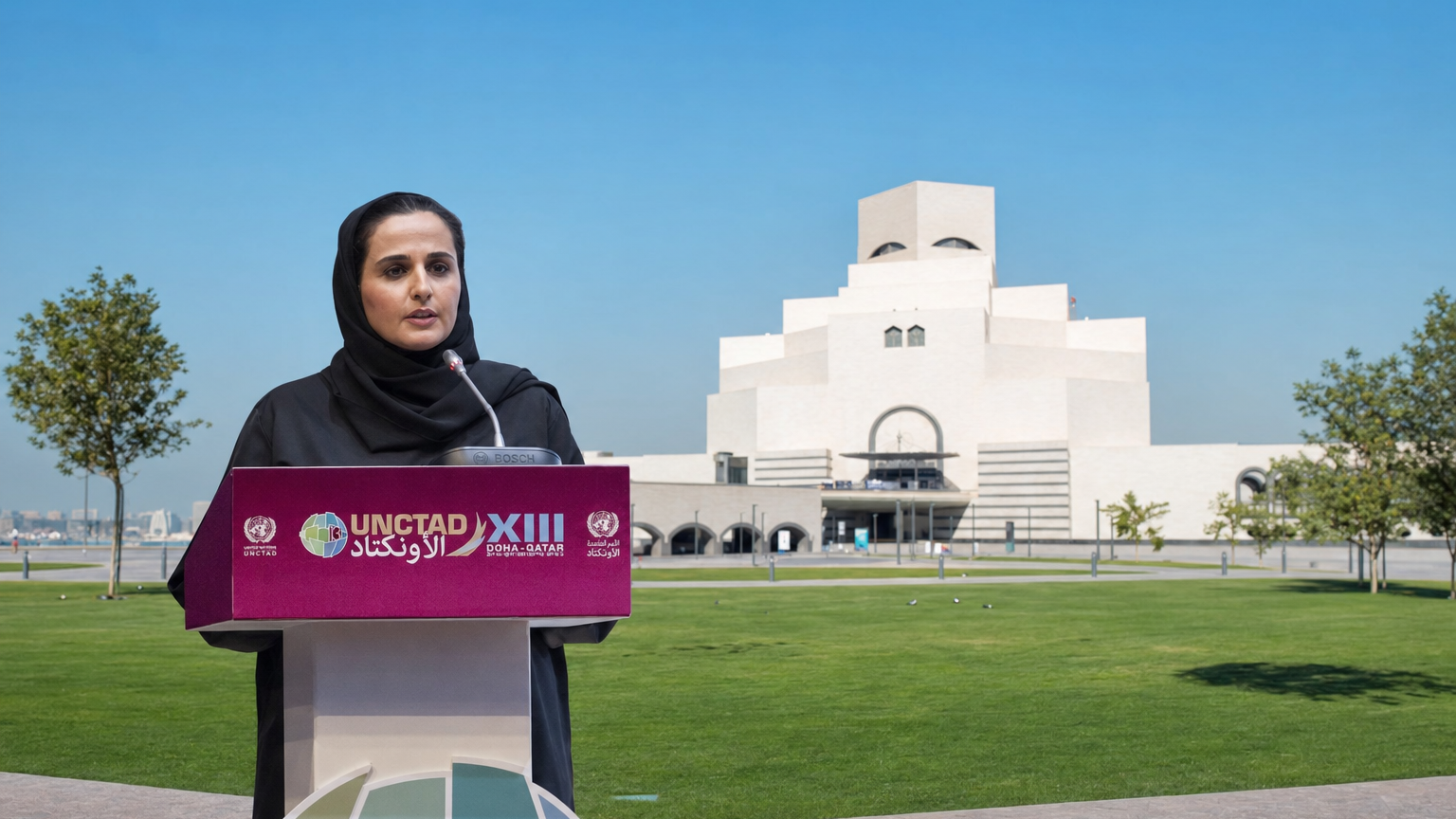


Sheikha Al-Mayassa bint Hamad bin Khalifa Al Thani outlined Qatar’s expanding cultural ambitions during a conversation at Art Basel Qatar, highlighting a long-gestating project to create a pavilion for the work of Gerhard Richter. The initiative, which she described as nearly unreal due to its complexity, has been in discussion for a decade and is now scheduled to open in November as part of the Rubaiya Qatar quadrennial. Sheikha Al-Mayassa noted that until two years prior she had doubted the project’s feasibility, The Art Newspaper reported from the discussion.
The pavilion forms part of broader efforts to strengthen Qatar’s position in the global arts scene, building on the success of previous cultural exchanges such as the 2017 Qatar-Germany Year of Culture that Qatar Museums has frequently cited as foundational. Qatar Museums, under her leadership since 2006, has pursued major commissions and acquisitions that have drawn international attention to Doha. This latest addition will provide a dedicated space for Richter’s pieces, enhancing the country’s public art offerings in areas such as MIA Park.
Separately at Web Summit Qatar the same week, Sheikha Al-Mayassa introduced details of a new creative visa designed to facilitate collaboration between international creatives and Qatari cultural organizations. Egyptian artist Wael Shawky has become the first recipient of the visa, which permits extended work periods in the country without mandating full-year residency. Full specifics of the program remain forthcoming, the chairperson indicated.
The creative visa aligns with Qatar’s strategy to foster a more dynamic arts ecosystem capable of sustaining long-term partnerships with figures from outside the region. By easing entry for professionals, the measure aims to boost local programming and knowledge exchange across museums and public spaces. Sheikha Al-Mayassa has long championed such initiatives to position Doha as a global cultural hub, according to her remarks at the events.
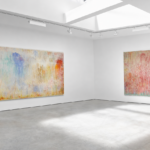
Rubaiya Qatar, the new quadrennial launching in November, will serve as the debut platform for the Richter pavilion while showcasing contemporary works from around the world with an emphasis on artists from the Global South. The event reflects a shift toward recurring large-scale exhibitions that complement permanent installations across the capital. Planning for the quadrennial has drawn on international models like Documenta, which Sheikha Al-Mayassa visited in 2017 and later referenced as inspiration.
In conversation with curator Hans Ulrich Obrist and collector Maja Hoffmann at Art Basel Qatar, Sheikha Al-Mayassa elaborated on the challenges of realizing ambitious projects like the Richter pavilion. She referenced Hoffmann’s experiences with architect Frank Gehry to illustrate the complexities involved in cultural infrastructure developments. These discussions underscored the patience and persistence required to bring such visions to fruition over many years.
Qatar’s cultural investments have contributed to the growth of the regional art market, with the Gulf emerging as a significant player according to annual reports from Art Basel and UBS that track sales and collector activity. The country has developed multiple museums and public art projects under Qatar Museums’ oversight in recent decades. Sheikha Al-Mayassa’s latest announcements signal continued momentum in these efforts ahead of the November openings.