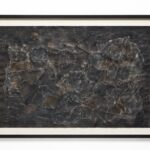

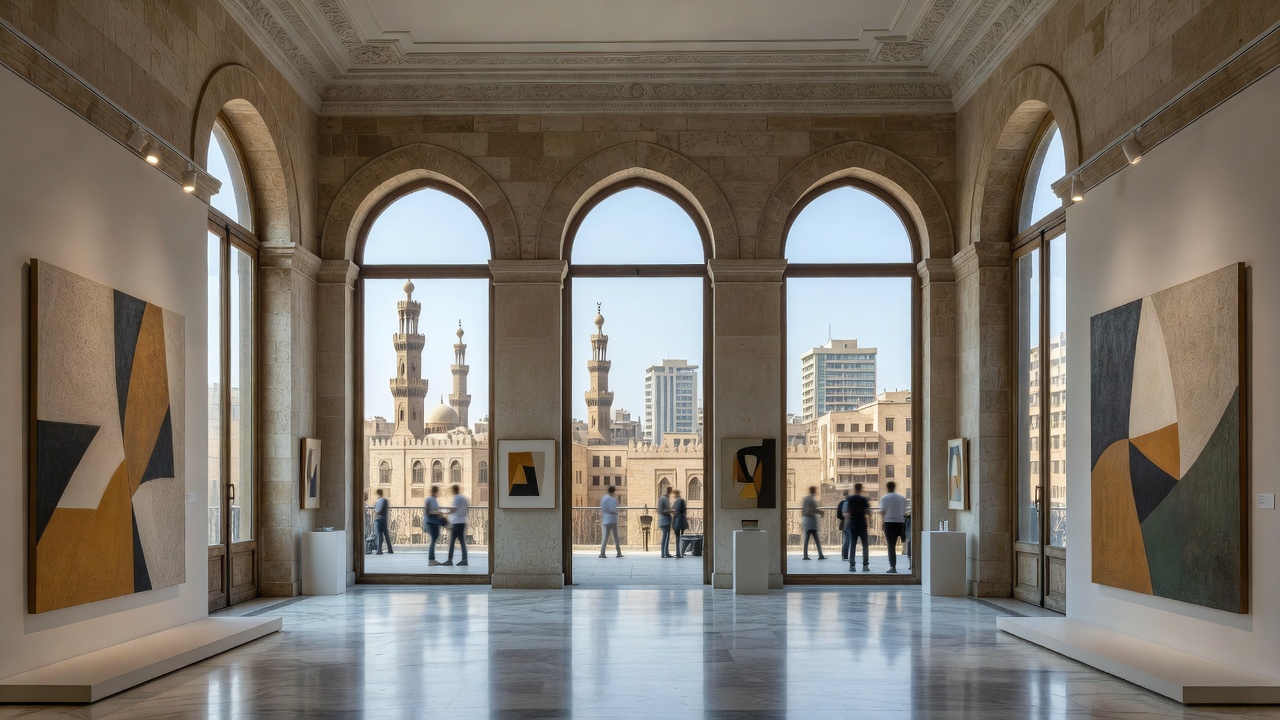


The festival will occupy 10 diverse locations ranging from established theatres and exhibition halls to multidisciplinary venues and open-air sites, according to Reham El-Adawi’s report in Al-Ahram Online. This year’s programme integrates the urban fabric of Cairo itself into the artistic offerings, moving beyond traditional stages to make the city an active participant in the experience. El-Adawi noted that the event extends its reach to Alexandria for selected performances, broadening its geographic footprint within Egypt. The opening exhibition, titled Natural Scenes by Egyptian artist Nermine El-Ansari, launches at Villa Violette on October 11 in collaboration with Mashrabia Gallery of Contemporary Art.
Rawabet Art Space forms a central node for theatre and performance, the Al-Ahram Online article detailed. It will host co-productions such as Tá Brón Orm and The Fallen from Egypt and Northern Ireland on October 13 and 14, followed by Everynothing from Northern Ireland and Palestine on October 21 and 22. Additional shows at the venue include Three Seasons and A Body from Palestine on October 24, Knife Hearts on October 27, the Lebanon-France co-production Record from October 28 to 30, the Egyptian piece Masna3 El Dramaturg on October 31 and a special Austrian event on November 1. These selections reflect the festival’s emphasis on cross-cultural collaborations spanning regions from the Arab world to Europe.
Visual arts programming spreads across several locations, Al-Ahram Online reported. The comics-focused exhibition Whenever We Cross opens at the Shourbagy Building on October 16 and continues through November 1, accompanied by a dedicated workshop for participants. Serbian artist Marina Abramović presents Seven Deaths at the Legacy Gallery on the American University in Cairo’s Tahrir Square campus on October 30. Italian artist Jacopo Valentini brings On Zamalek’s Nocturnal Vegetation to Soba Arts Hub from October 18 to 25 while Egyptian artist Ayman Khoury displays Tulun Mosque at Beit Tulun from October 25 to November 1.
Since its founding in 2012 by theatre director Ahmed El Attar of Orient Productions and Al Ismaelia for Real Estate Investment, the Downtown Contemporary Arts Festival has established itself as Cairo’s largest international multidisciplinary contemporary arts event, the festival’s official website states. Early editions emerged in the aftermath of the 2011 revolution and revived elements of the earlier Nitaq festival from 2000 and 2001, using unconventional downtown spaces such as abandoned buildings and public passages to reactivate the area’s cultural life. The platform has consistently supported Egyptian artists through collaborations with international counterparts, fostering careers and localising global works for regional audiences while maintaining an Arts for All initiative to engage diverse and marginalised communities.
This 14th edition continues that trajectory by treating the city not merely as a backdrop but as a space for audiences to encounter artistic works, places and one another from fresh perspectives, El-Attar explained in the Al-Ahram Online coverage. The festival has drawn support over the years from cultural institutions including the British Council, Institut Français, Goethe-Institut and various embassies, enabling a broad programme that typically features theatre, dance, music, film and visual arts. Past iterations have hosted more than 100 artists from over 20 countries, setting a benchmark for the inclusive and experimental programming seen in the current schedule.
The exhibition Natural Scenes remains on view at Villa Violette until November 5 before transferring to Mashrabia Gallery through November 12, the report added. Such extended display periods allow wider public access beyond the core festival dates. Organisers have structured the calendar to balance established venues with alternative sites, ensuring contemporary practices remain embedded within Cairo’s historic and social contexts.