
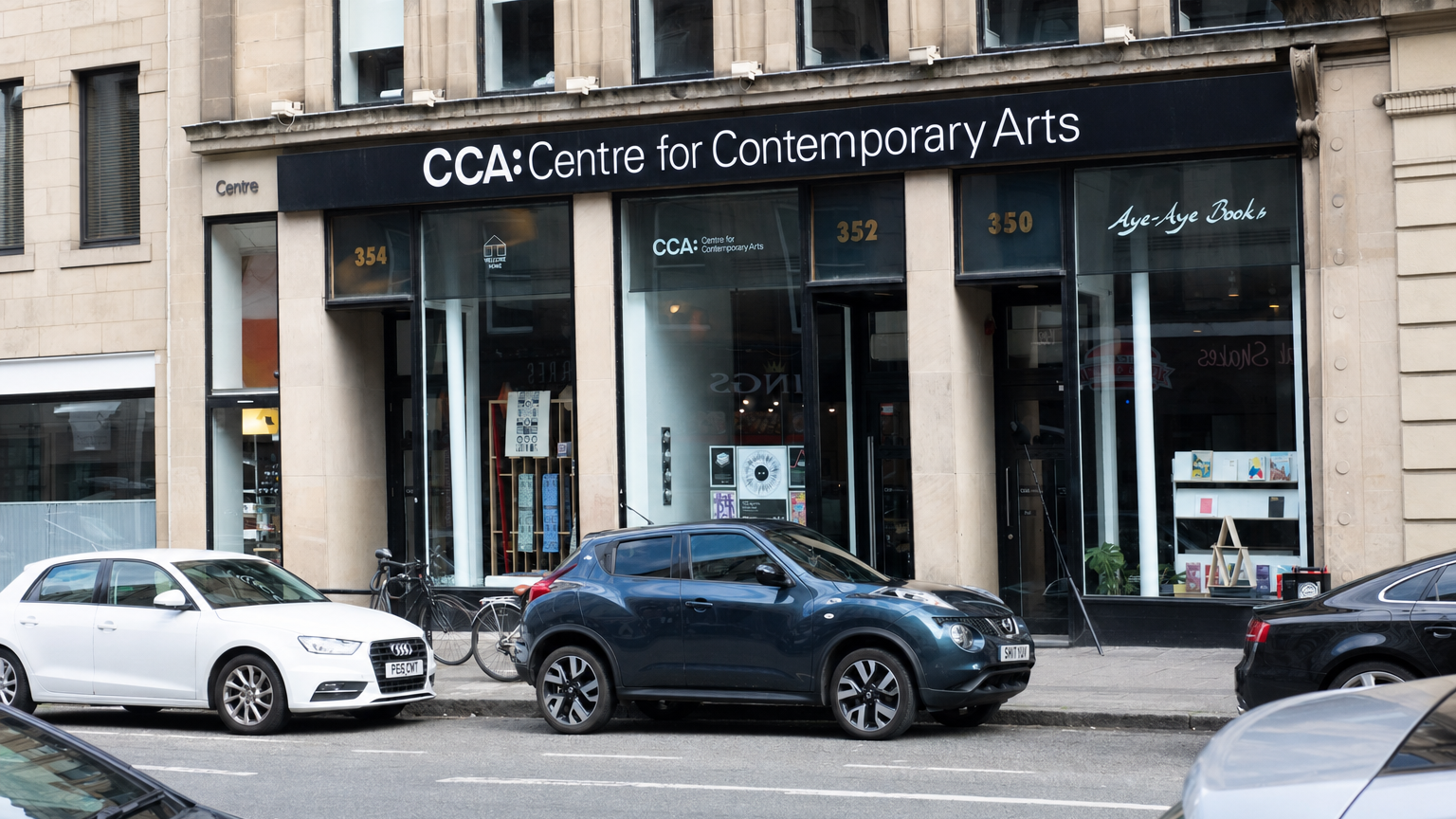


Glasgow Life formally secured the complete archive of the Centre for Contemporary Arts and its predecessor the Third Eye Centre on September 7, according to an announcement from Creative Scotland. The charity that manages the city’s museums, libraries and archives acted with support from Creative Scotland and specialist input from the Ballast Trust to purchase the collection and keep it in Glasgow. This step followed months of uncertainty after the CCA entered liquidation in January 2026 and its assets were listed for disposal. The acquisition will allow the City Archives team to begin cataloguing the materials ahead of making them available to researchers, artists, students and the public.
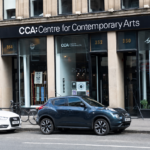
Widespread outcry erupted in late July and early August when the archive appeared among items for sale by valuation firm MB Valuations, The Art Newspaper reported on August 3. Campaigners organised a Stop the Sale demonstration outside the Sauchiehall Street building while a petition collected more than 2,500 signatures urging the Scottish government to intervene. Politicians including MSP Paul Sweeney labelled the process cultural vandalism and academics from Edinburgh College of Art warned that breaking up the collection would cause critical damage to research on Scotland’s social and political histories. The controversy centred on fears that a nationally important record could be dispersed or lost to private buyers.
The archive contains exhibition records, programmes, photographs, films, posters, flyers and artists’ correspondence spanning more than 50 years, according to the Creative Scotland statement. It documents the people and creative practices that helped establish Glasgow as a major centre for contemporary art, including activities at the Third Eye Centre from 1973 to 1991 and at the CCA from 1992 onward. Specific holdings cover the Barlinnie Special Unit, 1970s campaigns against fascism and racism, and events around the 2014 independence referendum, The National reported. Historians such as Angela Bartie have described the materials as irreplaceable for understanding the city’s cultural development.
The CCA had received more than $4.5 million in three-year funding from Creative Scotland shortly before its closure, ARTnews stated, yet financial difficulties forced permanent closure and staff redundancies in January 2026. Creative Scotland, which owns the building, placed the property on the market with an initial deadline of August 12 while the liquidators handled separate disposal of contents. MB Valuations invited expressions of interest in the archive by August 14 rather than including it in the main auction of furniture and equipment. Glasgow Life’s intervention ultimately removed the collection from private sale risks.
Amanda Catto, a former 16-year portfolio manager at Creative Scotland, said during the August campaign that the archive represented part of Scotland’s cultural memory and that its sale would constitute an irreversible loss to the country’s cultural record. She questioned what safeguards would remain for other cultural organisations facing insolvency if such an important collection could be treated merely as a financial asset. Culture Secretary Màiri McAllan had earlier stated she received concrete assurances the archive would be retained in whole and kept available to the public. These positions contributed to the eventual transfer to Glasgow Life.
Glasgow Life will now take long-term responsibility for the archive’s care and preservation following the purchase funded by Creative Scotland, the organisation confirmed. Campaigners from Save Our CCA have welcomed the archive’s safety but expressed continued concern that the Sauchiehall Street building remains at risk of sale or conversion, potentially to non-cultural uses such as a rock and roll museum. The group has highlighted that public investment over decades helped build both the venue and its records. As of early September the building’s future was still under review by Creative Scotland.
The Third Eye Centre and CCA played a central role in Glasgow’s contemporary arts scene for more than five decades, hosting international exhibitions, performances and events that shaped the city’s reputation, according to BBC coverage. The secured archive will complement existing city collections and support ongoing study of Scotland’s cultural evolution. Glasgow Life has emphasised that the materials provide a comprehensive record of creative practice that helped define the city on the global stage. Further details on public access are expected once cataloguing advances.