


Lower gold-jewellery volumes and a new exhibition season put the distinction between material value, craftsmanship and seasonal design into focus.
Kuwait’s jewellery market offers a useful reminder that higher spending and greater demand are not always the same thing. When the price of gold rises, buyers can spend more money while taking home less metal. For exhibitions built around jewellery, craftsmanship and design, that distinction changes the story behind a busy display case.
QERAT’s 2026 registration programme places the jewellery and watches exhibition within this changing market. Its official website describes an event centred on international houses and regional designers. That raises a question for visitors and exhibitors: how is the value of a finished object explained when the material inside it has become more expensive?
Alongside specialist jewellery shows, Kuwait’s exhibition calendar includes Villa Uno, whose programme focuses on designers and seasonal retail. The two formats bring different objects into view. A jewellery showcase places metal, stones and craft in the foreground; a fashion-led gathering connects collections to a season and the designers behind them.
The difference between tonnes and spending
The World Gold Council’s full-year 2025 jewellery report records Kuwaiti gold-jewellery demand at 10.4 tonnes, down from 12.3 tonnes in 2024, a decline of approximately 15%. These figures measure gold content consumed in jewellery, rather than the number of pieces sold or the total value of Kuwait’s luxury market.
Globally, the report shows the same distinction between volume and value. Jewellery consumption fell while the amount spent reached a record. The figures describe the gold-jewellery market; they do not cover every watch, gemstone or designer product that might appear at an exhibition.
For a reader, the distinction prevents two misleading conclusions. Lower tonnage does not automatically establish that consumers have abandoned jewellery. Higher sales values do not automatically mean that more pieces, or more grams of gold, have been purchased. Price changes can pull these measures in different directions.
The Council’s second-quarter 2026 report continues to identify elevated and volatile gold prices as a constraint on jewellery buying. It provides contemporary market context for the exhibition season, rather than a prediction of how any particular Kuwaiti event will perform.
What an exhibition can reveal about design
QERAT’s organisers place craftsmanship, heritage and the identity of participating houses at the centre of their description. A finished jewel brings those elements together because a finished jewel combines several forms of value: its materials, the work needed to make it and the design decisions that distinguish it from another piece.
A gold-market table cannot explain those differences on its own. Two objects with similar metal content can involve very different levels of labour or a different design history. Likewise, an ornate piece should not be treated as evidence of a financial return simply because it contains a precious metal.
An exhibition creates a setting in which those differences can be examined directly. Technique, sourcing, repair and the development of a collection each reveal a different part of the production process. An explanation from a maker can connect the object in a display case with decisions and work that are otherwise difficult to see.
They also give regional designers a more precise place in the story. The relevant issue is what they make and how they make it. Their presence alongside established international houses can be reported without assuming that all participants have the same scale, distribution or commercial objectives.
Villa Uno brings a different seasonal context
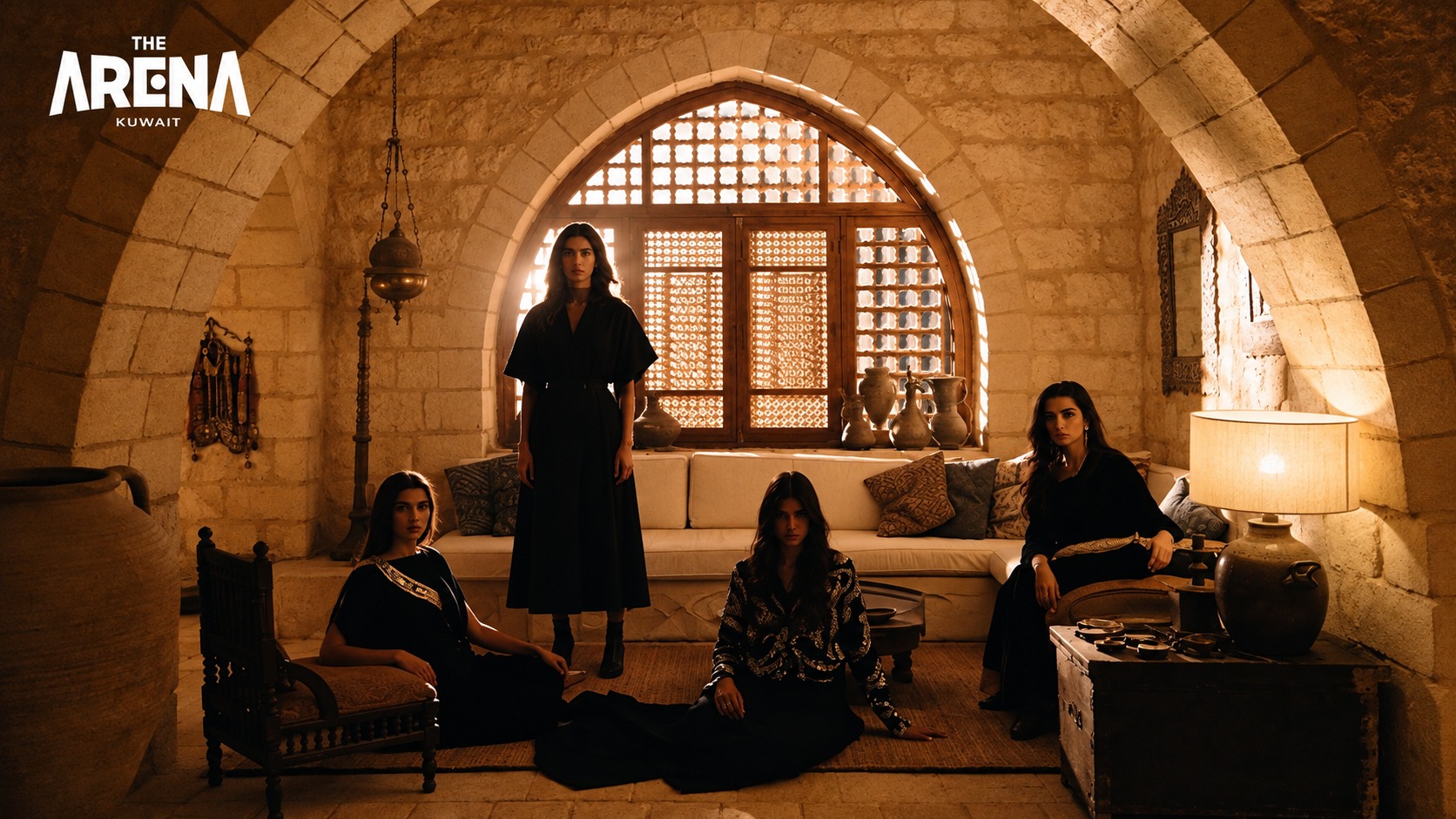
Villa Uno’s official account of its January 2025 exhibition described a Ramadan preparation event at The Arena Kuwait, with more than 255 designers and brands expected. That is a historical description of a previous edition, not a verified count of attendance or a forecast for the next one.
The event’s emphasis on seasonal collections places it in a different part of the retail calendar from a specialist jewellery fair. Clothing, accessories and related design products can be selected around an occasion or a particular season. The exhibition format concentrates those presentations into a limited period and a shared physical space.
Current December 2026 event coverage lists a further Villa Uno edition at The Arena and Grand Hyatt. Any comparison with the earlier show must keep projected participation separate from results. A published number of expected designers is a statement about a programme, not evidence that all exhibitors have already attended.
For independent designers, the format also makes production visible. A rail of garments or a display of objects is the outcome of decisions about materials, quantities and presentation. Those decisions connect the finished collection with the work and resources behind it. They provide a tangible view of how a local design business operates.
A clearer way to read the exhibition season
The common thread between the two events is the meeting of objects and audiences. Their differences are equally important. Jewellery requires attention to material content, craftsmanship and the limits of market statistics. A seasonal design exhibition calls for a different discussion about collections, timing and the makers represented.
Neither story needs an unsupported claim about Kuwait’s luxury spending. The available gold data already offer a concrete economic backdrop, while the organisers’ own descriptions establish the intended character of each event. Reported sales, visitor numbers and exhibitor outcomes would add another layer once available.
As QERAT and Villa Uno prepare their respective programmes, the objects on display will sit against different economic and seasonal pressures. The available gold figures establish a clear change in the jewellery market. How makers respond through materials, technique and collection design will become visible as the next exhibition season opens.