




The Jacques-Louis David exhibition at the Musée du Louvre has earned the highest critical praise since its opening in October 2025, with one prominent review describing the show as an artistic event of the highest order despite a major museum robbery that occurred shortly after it began. Curators Sébastien Allard and Côme Fabre assembled around 100 works, many from the Louvre’s own holdings of large-scale canvases that rarely travel, supplemented by key loans from museums including the Royal Museums of Fine Arts of Belgium and the Metropolitan Museum of Art in New York. The display runs through Jan. 26, 2026, offering what multiple critics have called a once-in-a-generation opportunity to reassess the painter who defined French art from the late 18th to early 19th centuries.
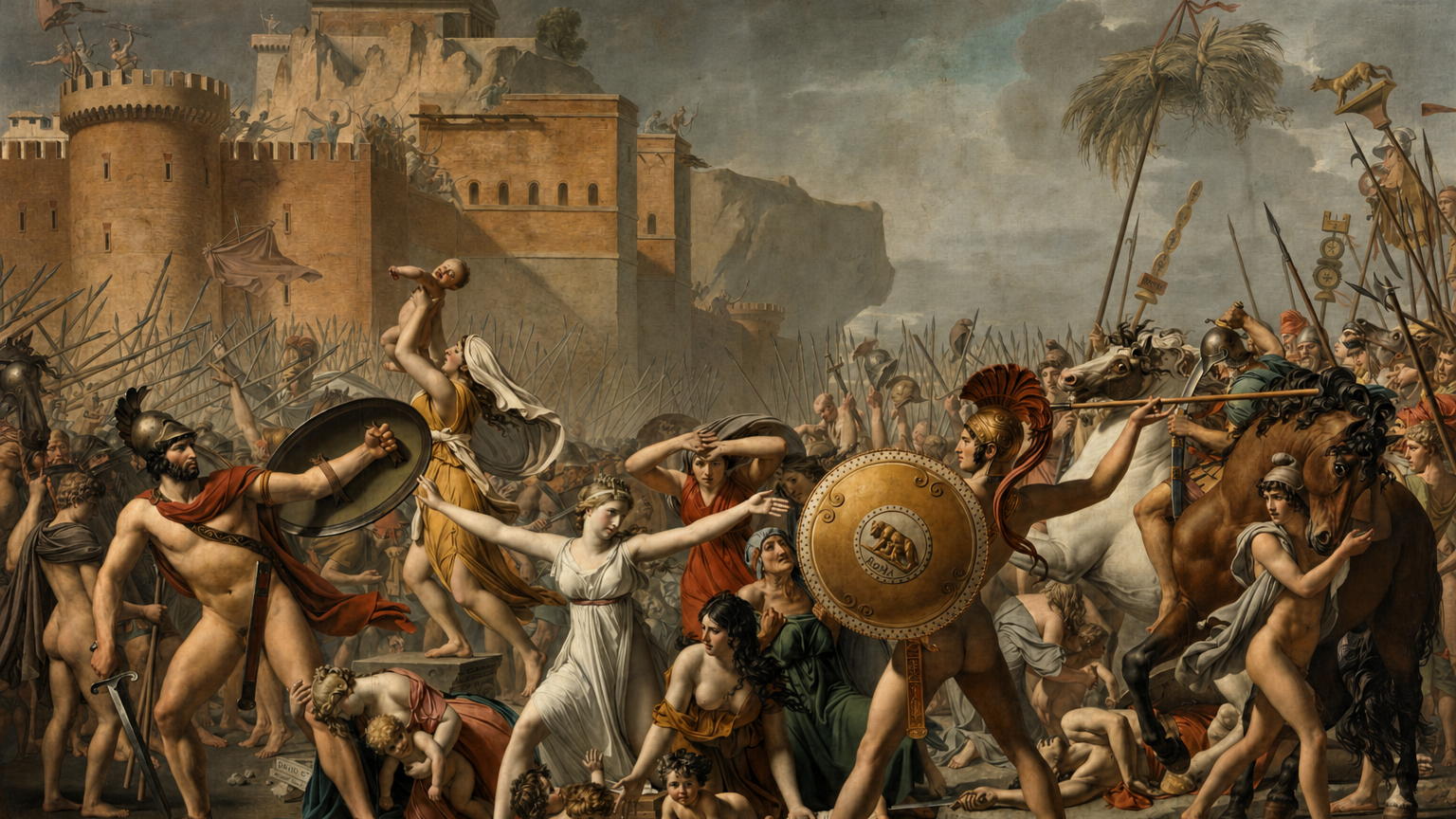
Major pieces on view include The Oath of the Horatii from 1785, The Death of Marat from 1793, Napoleon Crossing the Alps from 1801 and the unfinished Oath of the Tennis Court, according to the exhibition’s organisers. These works anchor the galleries alongside The Intervention of the Sabine Women and David’s final painting, Mars Disarmed by Venus from 1824, which arrived from Brussels. The Art Newspaper review published in January 2026 awarded the exhibition five stars across both the works and the show itself, praising its ability to present David as far more complex than a straightforward neoclassicist.
David lived from 1748 to 1825, navigating six different political regimes while producing images that continue to shape public understanding of the French Revolution and Napoleonic Empire, the Louvre’s exhibition materials state. He began as a royal academician, voted for the execution of Louis XVI as a revolutionary, survived the fall of Robespierre, served as Napoleon’s chief propagandist and died in exile in Belgium after the Bourbon restoration. The current survey, the first major monographic exhibition since 1989, incorporates three decades of additional scholarship to highlight his inventive force and expressive power beneath the rigorous neoclassical style.
The exhibition’s chronological arrangement allows viewers to trace David’s shifting allegiances and artistic responses to historical events, with particular emphasis on his portraits and history paintings that blend political messaging with technical precision. Allard, the chief curator, has framed the artist as a social actor deeply embedded in his time rather than a detached observer, a perspective echoed in reviews from the Financial Times and The Wall Street Journal. Loans such as the original Death of Marat and Cupid and Psyche from the Cleveland Museum of Art fill gaps in the Louvre’s collection to create a comprehensive narrative.
Critics have noted the show’s success in recasting aspects of David’s reputation, moving beyond his role as a political propagandist to emphasise his enduring influence on Western art. Jackie Wullschläger in the Financial Times described it as a colossal, riveting retrospective possible only at the Louvre, which holds most of his major paintings. Michael Prodger writing in The Critic called the gathering thrilling and unparalleled for an artist who recorded history while participating in it.
Neoclassicism has experienced renewed interest in recent years, and this exhibition contributes to that revival by revealing unexpected depths in David’s output, according to assessments in several art publications. The museum timed the show to coincide with the 200th anniversary of David’s death on Dec. 29, 1825, after he was struck by a carriage in Brussels. With high ticket demand and widespread media coverage, the retrospective has reestablished David as a central figure in French cultural history whose works remain instantly recognisable.