




Belgian film director Lukas Dhont came across evidence of drag shows staged by soldiers during the First World War while preparing his next cinematic project. The Brussels Times reported that Dhont and co-screenwriter Angelo Tijssens carried out research in France, the United Kingdom and Belgium after an initial discovery that pointed to an entire subculture overlooked by conventional histories of the conflict. Soldiers resorted to such performances because women rarely approached the front lines, forcing men to take on female roles in theatrical productions that ranged from the rudimentary to the surprisingly elaborate.
Performers constructed stages from ammunition boxes and crafted costumes using parachutes, ropes and bullets, The Brussels Times reported in its interview with the director. A travelling troupe even moved along the front to deliver entertainment to troops stationed in different sectors. One account described a soldier who would don a sandbag skirt and bonnet to act as “mother,” making rounds to kiss comrades good night before they slept, demonstrating how the practice extended beyond formal shows into daily camp life.
“Of course I opened this book,” Dhont said in the interview published by The Brussels Times on October 4, 2026. He laughed at first but soon recognized the deeper implications of the images and accounts he encountered. The material formed the basis for expanding the narrative of his forthcoming film with details that had remained largely unknown to the public.
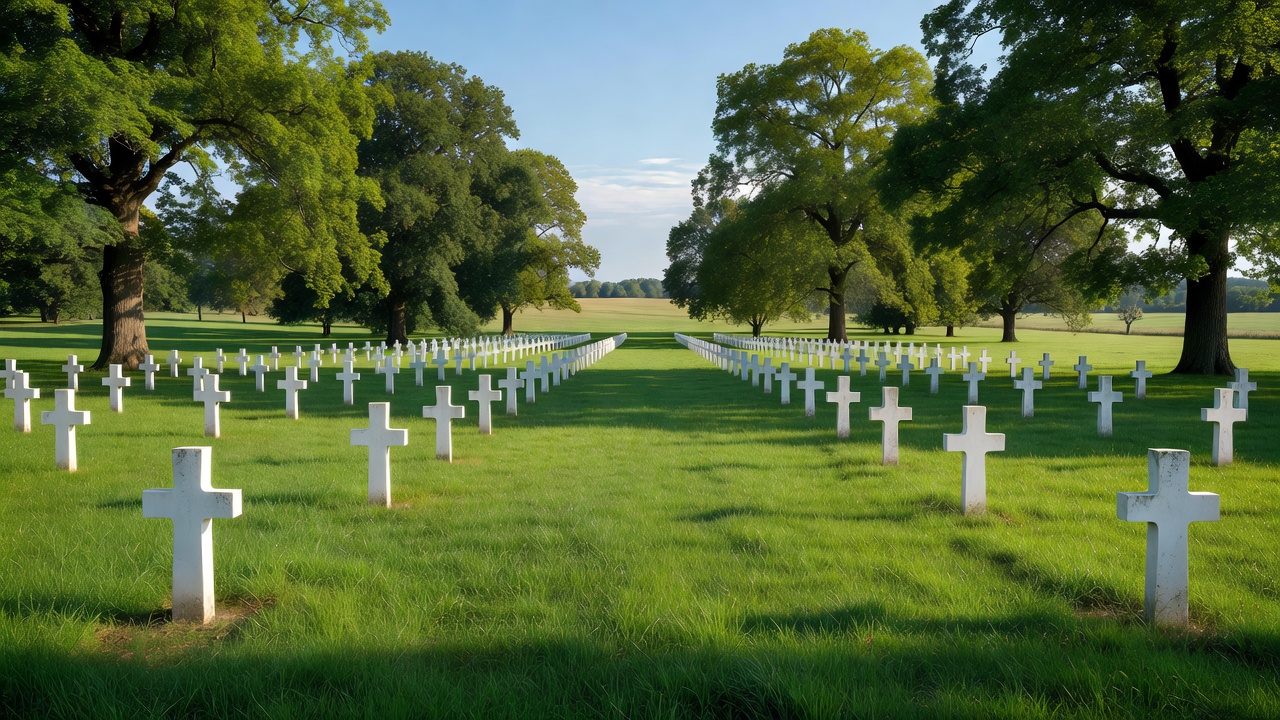
“I was so confronted by our politics of memory when I saw that photo,” Dhont told The Brussels Times. “I grew up in Belgium. The First World War is part of our education. I drive past the cemeteries when I go visit my boyfriend. And yet I had never seen these pictures. Why are we hiding them?” The director’s comments underscore questions about which elements of the past receive emphasis in national education and commemoration.

Commonwealth War Graves Commission figures show more than 500,000 identified burials of its personnel in Belgium from the 1914-1918 war, with countless others unrecovered, a scale that has embedded the Western Front deeply in Belgian heritage. The country maintains hundreds of memorials, cemeteries and museums dedicated to the conflict, according to data compiled by Belgian federal heritage bodies. Dhont’s findings add nuance to this landscape by highlighting aspects of troop morale and creativity that have received little attention in standard accounts.
The director’s previous works have drawn international recognition for their sensitive treatment of identity and human relationships, qualities he is expected to bring to this historical subject. In the interview, Dhont described how the discovery immediately resonated as material for his next movie. The project stands to introduce broader audiences to a dimension of soldier experience on the Western Front that historians have traditionally sidelined.