


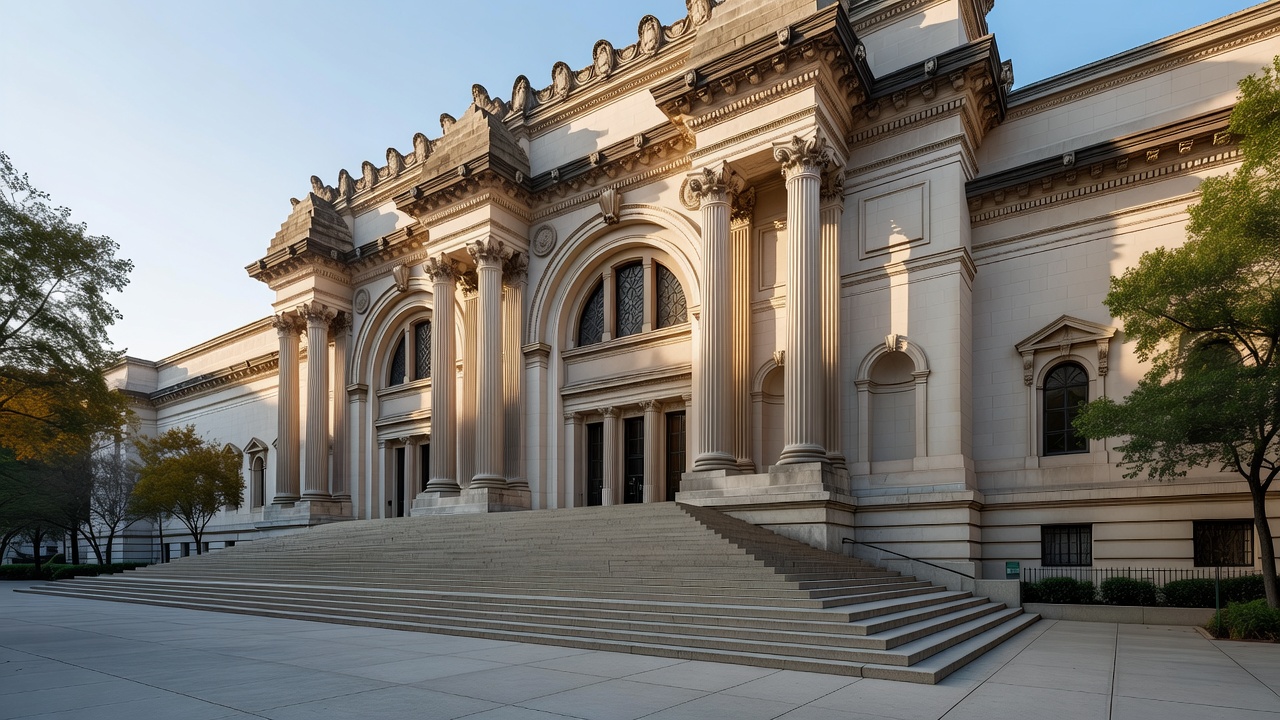


The Metropolitan Museum of Art has acquired Madonna and Child with Saint John the Evangelist, a painting dated 1512/13 by Rosso Fiorentino that had long been considered lost, according to a round-up published by The Art Newspaper. Conservation treatment removed overpaint to reveal the figure of Saint John the Evangelist in the foreground, confirming the work as the one described by Giorgio Vasari in Lives of the Artists. The publication noted that the piece launched the Florentine artist’s career and stands as an early, vivid example of Mannerism at its peak.
The Metropolitan Museum of Art said in a statement that the rediscovery reshapes understanding of Rosso’s early output. Max Hollein, the museum’s Marina Kellen French Director and Chief Executive Officer, described the painting as a rare and pivotal early work by one of the most important painters of the 16th century, striking in its experimental ambition and psychological intensity. Stephan Wolohojian, John Pope-Hennessy Curator in Charge of the Department of European Paintings, added that paintings by Rosso are exceedingly rare, numbering only about two dozen, and that this canvas, executed on canvas and preserved in remarkably good condition, is the artist’s earliest recorded painting to survive.
Separately the Siegerland Museum in Siegen, Germany, has purchased a silver gilt goblet made around 1581 by Hans Rappolt I, The Art Newspaper reported in the same May 5 round-up. The 48-centimetre vessel reflects Nuremberg’s prominence in 16th-century goldsmithing and features elaborate decoration with fruit, grotesque masks and birds of paradise. A foundation supported the acquisition with a donation of €75,000, according to the article.
Such virtuoso courtly showpieces were exported from Nuremberg workshops across Europe during the period, a fact highlighted in the publication’s coverage of the Siegerland Museum addition. The goblet joins other examples of decorative arts that illustrate regional craftsmanship traditions. Museum officials viewed the purchase as an opportunity to strengthen holdings in late Renaissance metalwork.

The National Gallery of Art in Washington has accepted Wandering Beggars, a 2022 circular oil painting by Salman Toor, through a donation from the Bronzini-Vender family, The Art Newspaper stated. The work is the first by the Pakistan-born, New York-based artist to enter the museum’s collection. Toor’s figurative approach, often exploring identity and narrative, adds a contemporary dimension to the institution’s modern holdings.
The acquisitions illustrate how museums blend scholarly rediscovery, targeted purchases and private philanthropy to build collections across five centuries of art history. The Art Newspaper observed that the trio of announcements, though varied in period and medium, share an emphasis on provenance research and donor involvement. Earlier industry assessments, including those from the Association of Art Museum Directors, have shown that such institutional activity forms a steady component of the broader art ecosystem.