




The MSUToday feature titled Ask the expert: How art and culture influence religious understanding featured commentary from an MSU scholar on the intersection of artistic expression and faith traditions. The expert noted that art provides visual and experiential avenues for exploring religious concepts that may be challenging to articulate verbally. This method has been employed across various cultures to foster deeper spiritual connections among believers, according to the article.
Encyclopedia.com describes how art imparts meaning and value to human aspirations, encounters and narratives while orienting the individual within a community, world and cosmos. Through visible expression, art renders the human situation including origin, existence, death and afterlife comprehensible via visual representations. The site explains that art and religion converge through ritual and sacred narrative to produce an experience of the numinous.
A study published in 2026 in the Journal of Psychology and Theology by Colombian researchers detailed findings from the Laboratory of Art and Spirituality involving seven artists over 10 months. The researchers identified five meaning-making mechanisms including perception, knowing-how, emotional understanding, seeing-as and perceiving mystery that artistic creation uses to aid spiritual understanding. The article aims to let the artists speak for themselves through their journals and dialogues on these structures.
The Atlantic reported in April 2026 that contemporary art can offer glimpses of the divine by leading viewers to a contemplative posture open to the mystical. Author Luis Parrales noted that abstract and experimental art is innovative and meaningful for developing habits that bring people closer to God. In the piece, Smith is quoted as saying that encountering art for which we don’t yet have established habits ultimately turned the gallery into an oratory.
MSUToday has run several similar expert interviews exploring religion and culture, including a 2020 piece on how religions adapted worship during the COVID-19 pandemic. That article quoted experts from the universitys Department of Religious Studies on shifts to virtual services and online community gatherings. The adaptations included song sessions for children and Talmud learning for adults among Jewish communities.
In a 2024 MSUToday report on transforming the art museum experience, faculty stressed arts role in exploring cultures and promoting diversity, equity and inclusion. Li told the publication that art is very personal and can be understood from different perspectives and backgrounds. The approach encourages looking at objects from as many angles as possible to question historical narratives.
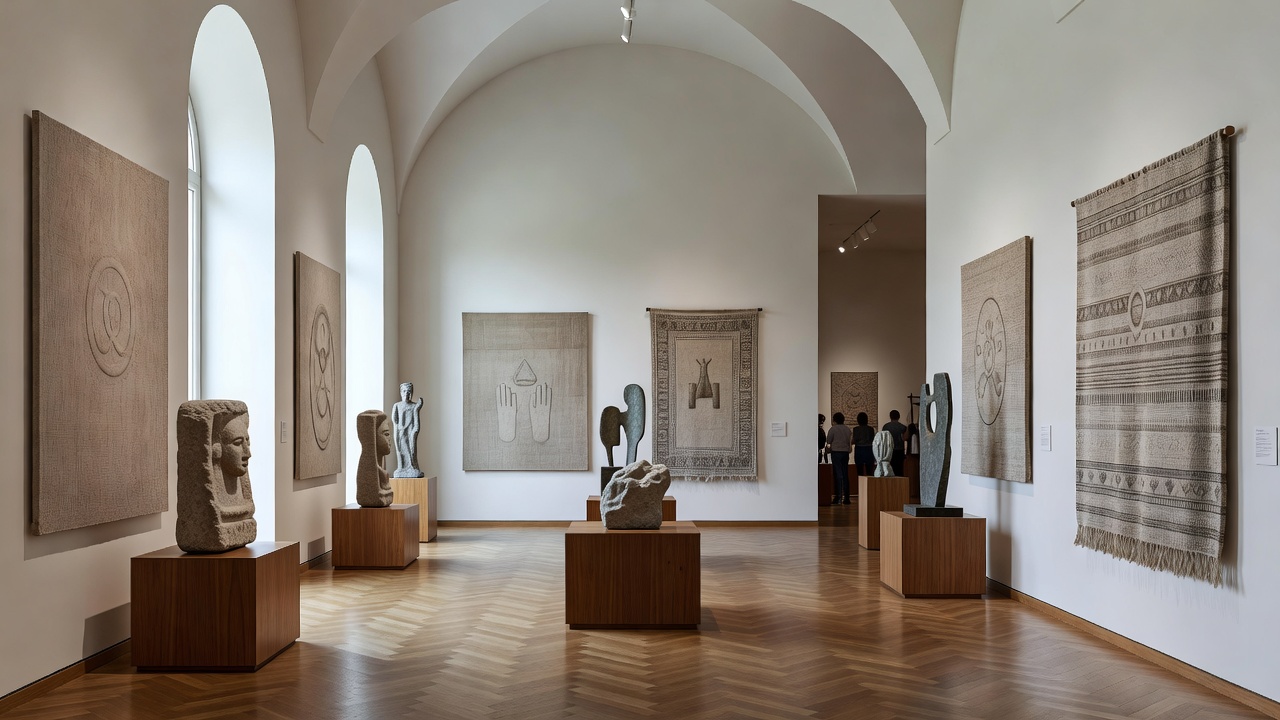
Heritage institutions have incorporated such insights into exhibitions that use art to illustrate religious heritage and cultural influences. Such exhibitions often feature religious artifacts from different eras. They highlight how culture has shaped religious practices over time. This aligns with the expert’s view on the power of art in religious education, heritage observers have noted.