


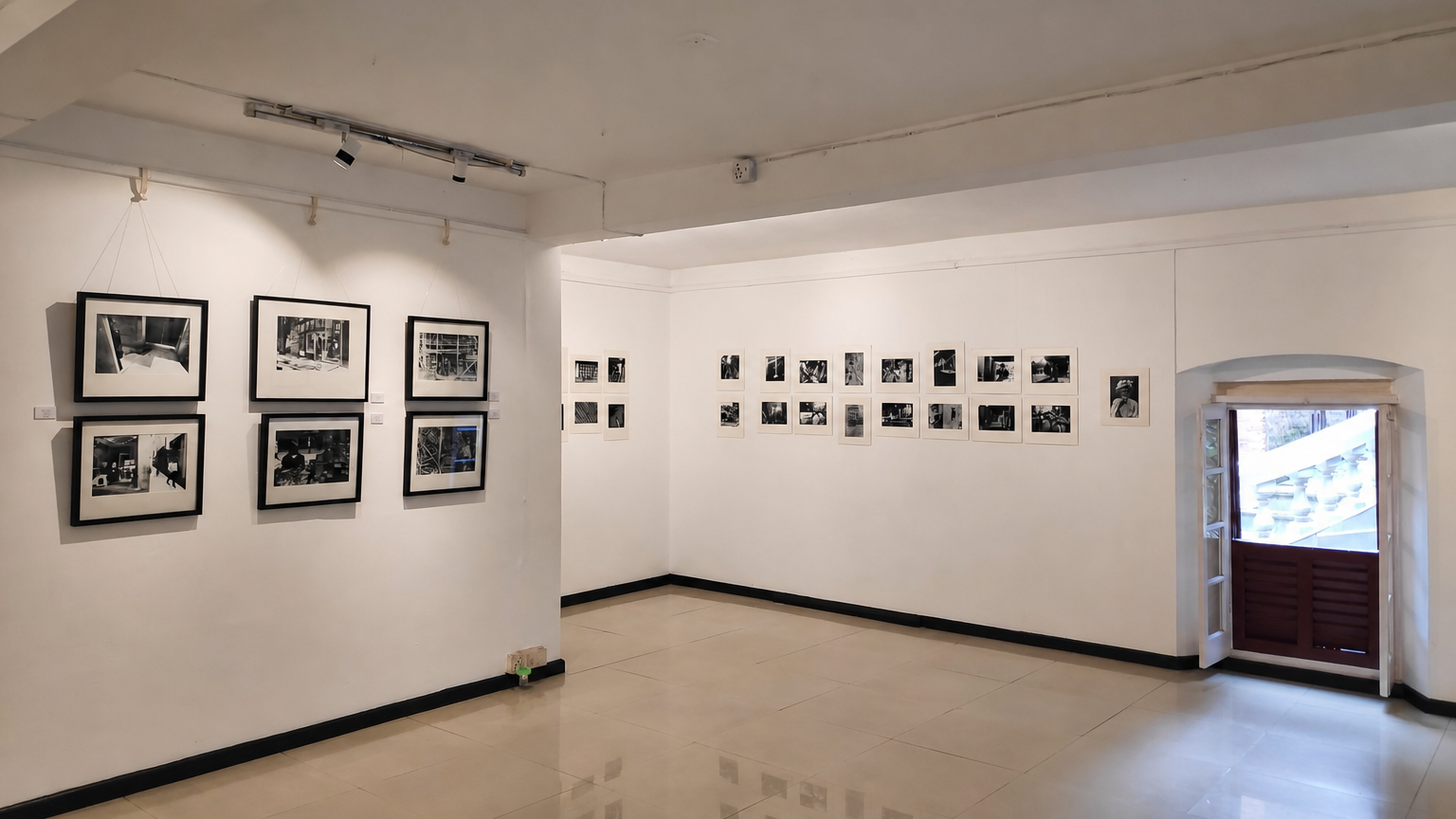


Intricate metal sculptures, wood engravings and traditional paubha paintings fill the walls at Sacred Splendor, an exhibition that marks the 39th anniversary of Siddhartha Art Gallery in Kathmandu’s Babar Mahal Revisited. The Kathmandu Post reported that the show unites pieces by 35 traditional master artists while examining the longstanding ties between artistic practice, religious devotion and skilled workmanship that have defined the Valley for generations. Curated by Pradip Shakya, the display arranges Hindu and Buddhist imagery alongside each other to illustrate the region’s history of harmonious cultural exchange. The artworks draw on techniques handed down through artisan families, framing sacred creation as an active tradition instead of static display pieces.
Siddhartha Art Gallery first opened its doors in 1987 at Pratap Bhawan on Kantipath before relocating to its current site in 1998, the gallery’s historical records show. Since its founding by Sangeeta Thapa together with artist Shashikala Tiwari, the institution has staged more than 600 exhibitions that promote both traditional and contemporary Nepali art. The anniversary exhibition continues this mission by focusing on living heritage, with the venue remaining open Sunday through Friday from 11:00 am to 5:00 pm and on Saturdays from noon to 5:00 pm according to the gallery website. Sangeeta Shrestha, catering director at Dwarika Hotel and Resort, and Gautam Shamsher JB Rana, founder of Babar Mahal Revisited, jointly inaugurated the show on its opening Tuesday.
The Kathmandu Post noted that the exhibition treats sacred art as a continuing practice embedded in the daily and devotional life of the Valley rather than an object confined to museums. Pradip Shakya’s curation emphasises how these forms have evolved while retaining their spiritual core across Hindu and Buddhist contexts that have coexisted for centuries in the region. Such presentations align with broader efforts to sustain traditional skills among Newar artisan communities who have maintained these crafts through family lineages.
UNESCO has recognised the Kathmandu Valley as a World Heritage site since 1979 for its concentration of monuments and living cultural traditions that include temple architecture, sculpture and painting. The valley’s seven monument zones encompass Hindu and Buddhist shrines that continue to serve active religious roles while drawing international visitors. This context underscores the relevance of exhibitions like Sacred Splendor in documenting and sustaining those traditions amid modern pressures on heritage preservation.
Gallery founder Sangeeta Thapa has curated over 600 shows during the venue’s history with an emphasis on socio-cultural themes that shape national and international views of Nepali art, according to the Siddhartha Art Gallery website. The current exhibition adds to that legacy by spotlighting master practitioners whose works reflect both continuity and adaptation in sacred representation. Sacred Splendor remains on view at the gallery through the coming weeks as part of the anniversary programming that highlights the institution’s commitment to traditional media.