



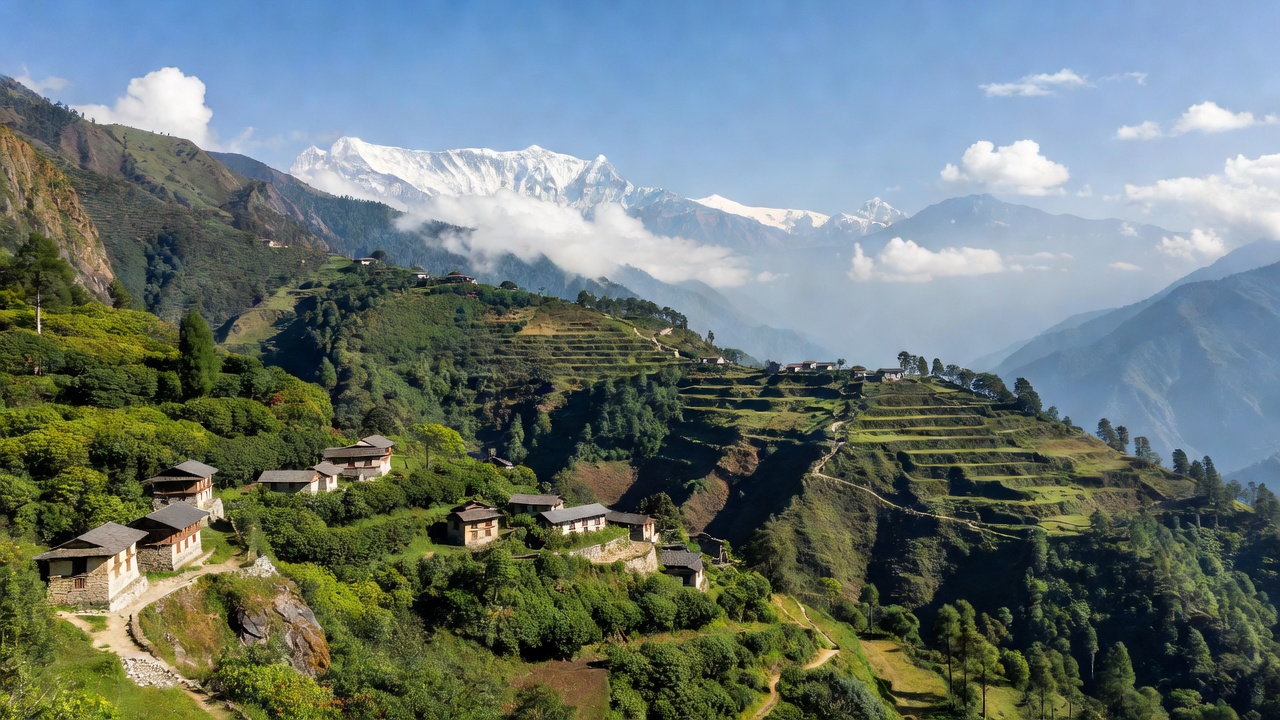


The Kathmandu Post reported that anthropologist Sara Shneiderman used her extensive fieldwork across Nepal to illustrate how the country has changed since the early 1990s. Shneiderman, who first arrived in Nepal in the 1990s, has focused much of her research on the Thangmi community in the Himalayan foothills. Her observations encompass the Maoist insurgency that ended in 2006, the subsequent fall of the monarchy and the establishment of a federal democratic republic in 2008.
Shneiderman told The Kathmandu Post that listening to local voices remains essential for grasping Nepal’s complex social dynamics amid rapid change. She highlighted how migration, both internal and to countries such as Malaysia, Qatar and India, has reshaped family structures and local economies throughout the past three decades. According to World Bank data, remittances from overseas Nepali workers have consistently accounted for more than 20 percent of the nation’s gross domestic product in recent years.
The book talk addressed Nepal’s 2015 earthquake and its aftermath, which Shneiderman studied through community responses in affected districts. She explained that reconstruction efforts revealed both resilience and persistent inequalities in access to resources among rural populations. A separate International Labour Organization assessment found that more than 1.5 million Nepalis were working abroad as of 2024, underscoring the scale of outward migration that Shneiderman has tracked in her research.
Shneiderman emphasized the value of long-term ethnographic engagement with communities rather than short-term policy analysis. Her approach, as detailed in The Kathmandu Post article, prioritizes understanding how people interpret their own experiences of political transformation and economic pressure. Previous publications by Shneiderman, including studies on ethnic identity and cross-border relations with India, have contributed to academic discussions on Himalayan anthropology.
The discussion also touched on contemporary issues such as climate change impacts on high-altitude villages and the role of youth in shaping Nepal’s future. Shneiderman noted that younger generations often navigate tensions between tradition and global influences through education and technology. Central Bureau of Statistics figures from Nepal show that the country’s urban population has grown from roughly 17 percent in 2011 to more than 21 percent in the latest census, reflecting broader demographic shifts.
In closing her remarks, Shneiderman reiterated the importance of collaborative research that respects local knowledge systems. She has worked with Nepali scholars and institutions throughout her career to ensure that findings benefit the communities involved. The Kathmandu Post presentation of the talk forms part of ongoing coverage of cultural and academic exchanges in the Nepali capital.