


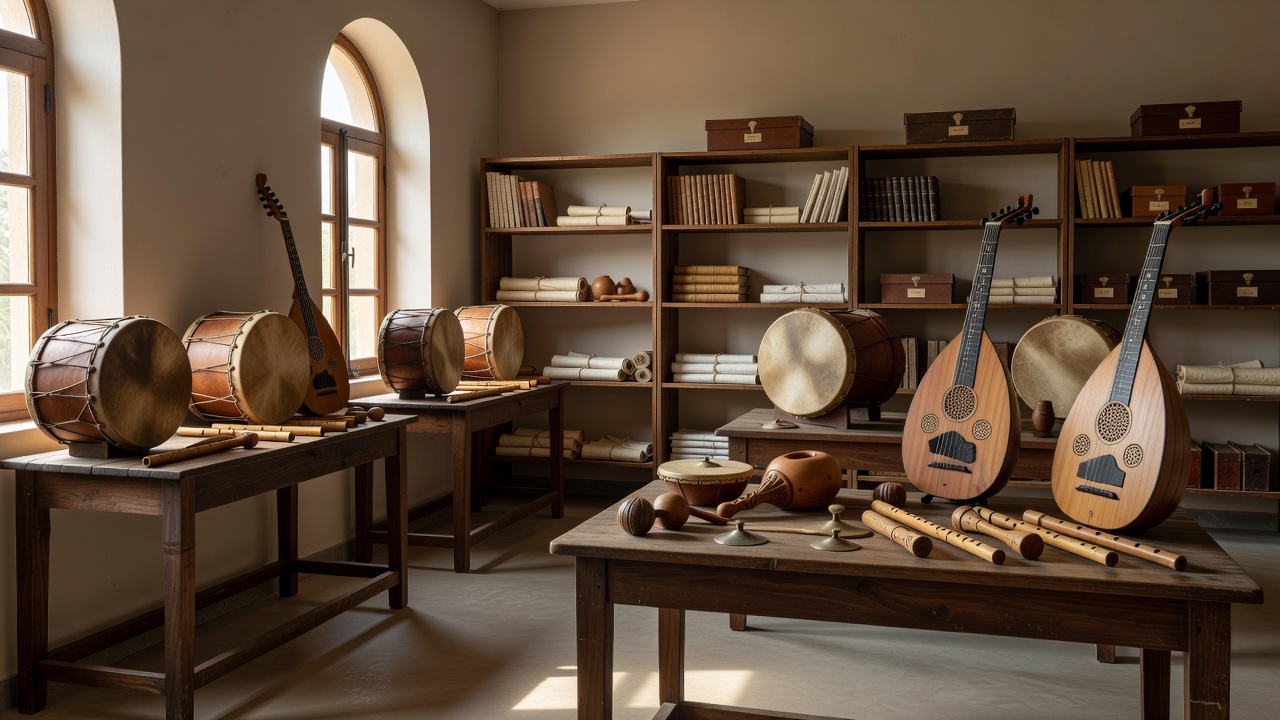


The civil war between the Sudanese Armed Forces and Rapid Support Forces that began on April 15, 2023 has destroyed numerous artists’ studios and disrupted cultural life across the country, yet many creators continue initiatives to preserve traditions and support their peers, according to an Al Jazeera feature published on October 31, 2026. Musician Mokhalaya launched a project last year to document and archive traditional music and rhythms from different regions as one response to the crisis. He told Al Jazeera, “Through music, I try to remind Sudanese people that we are all brothers and sisters, and that war does not represent who we are.” The effort forms part of broader attempts to keep Sudan’s cultural identity intact amid mass displacement. Abdelqader Hashem, secretary of the Red Sea State Writers and Artists Union, described how his organisation has assisted artists and their families who fled other parts of Sudan.
Awad established the Ahalina cultural group in 2013 alongside other young people to use theatre, visual arts, music and puppetry for engaging youth and advancing peace and social cohesion, the Al Jazeera report stated. The conflict has inflicted a heavy toll on cultural infrastructure, with UNESCO estimating in June 2026 that the sector faced a $30 million funding gap. Personal losses include artists killed or forced to abandon their workspaces, tools and finished pieces. Cultural programmes have nevertheless continued in safer areas such as Port Sudan. UNESCO initiatives there had supported more than 350 artists, women, girls and internally displaced cultural professionals by April 2026.
The Artists and Writers Union in Port Sudan provided shelter to more than 112 displaced artists and cultural workers as of April 2024, UNESCO reported at the time. A joint report by the African Center for Peace and Justice Studies and Sudanese Music Research Center documented over 55 artists killed between April 2023 and September 2024 through shelling, shootings or torture. Victims included violinist Abdulwahid Abdultam of the Abu Arky Al-Bakhit band, who died in July 2023. Looting has compounded the damage, with the Sudan National Museum losing almost two-thirds of its nearly 100,000 artifacts, a Los Angeles Times investigation found in September 2026. Officials told Reuters in 2025 that around 4,000 antiquities had disappeared nationwide, including 700 from Darfur museums.
At least 76 heritage sites and 20 museums were ransacked, according to the Los Angeles Times report, which estimated the value of stolen items above $150 million. Some museums were turned into barracks while artifacts have surfaced for sale on external social media channels. The National Corporation of Antiquities and Museums has worked with local communities and international partners to secure remaining collections where possible. These physical losses have accelerated digital preservation projects that began before the war. The Sudan Memory project had digitised more than 88,000 items from national archives and museums prior to the 2023 escalation, a British Council analysis of art and peace-building noted.
Reem Aljeally’s Sudan Art Archive, founded in 2022, pivoted after April 2023 to safeguard works that no longer had physical homes, the same British Council document indicated. Roughly 80 percent of displaced artists have relocated to Egypt while others moved to Gulf states, East Africa or Rwanda. Sixty-two percent of Sudanese artists now collaborate online with peers abroad, turning distance into a form of creative resistance according to the British Council review. Exhibitions and campaigns featuring Sudanese work continue in East Africa and Europe. Such activities help document wartime experiences while maintaining collective memory.
Hashem told Al Jazeera that union support for displaced artists remains ongoing more than three years into the conflict. UNESCO and partner organisations have prioritised emergency funding for cultural workers even as the overall humanitarian crisis affects 14 million displaced people. Local radio, podcasts and digital platforms have broadcast oral histories and music as additional forms of resistance and preservation. These combined efforts demonstrate how cultural work intersects with documentation, community support and identity retention during the fighting.