


According to an announcement from the DIFC media office, the financial centre has spotlighted a rich selection of exhibitions running throughout October that blend contemporary works with thematic explorations of identity, memory and place. The programme includes “Fellow Travellers” at Tabari Artspace within DIFC’s Gate Village, opening on October 8 and continuing through November 30, which brings together six artists whose practices address movement and displacement. A report by AD Middle East noted that the exhibition, curated by Professor Omar Kholeif, features rarely seen pieces by Sonia Balassanian, Jai Chuhan, Luísa Correia Pereira, Lalitha Lajmi and Irene Scheinmann alongside paintings by Kholeif himself, creating an intimate dialogue on what is carried, lost and reimagined through such experiences.
The DIFC announcement further pointed to Hisham Sharif’s “Allusive Veil” at Ayyam Gallery, on view for the entire month, as another centrepiece of the October calendar. Sharif’s vibrant landscape paintings depict scenes that feel both personal and universally relatable, demanding extended viewer engagement beyond initial glances. This show complements other DIFC-area exhibitions including Abdulqader Al Rais’s retrospective “Al Nayed” at Opera Gallery, which runs from October 8 to 25 and traces more than five decades of the Emirati artist’s evolution from impressionistic architectural views to signature geometric abstractions, according to coverage in GQ Middle East.
DIFC’s role as a cultural anchor has expanded steadily, with Gate Village now housing more than a dozen commercial galleries and auction houses that host year-round programming. A PwC assessment of the GCC creative economy placed Dubai’s art sector growth at an annual rate exceeding 12 percent in recent years, driven by events that attract international collectors and emerging talent alike. The October exhibitions form part of this momentum, aligning with the emirate’s wider autumn cultural offerings that include performances at Dubai Opera and installations across the city.
Additional shows highlighted in the DIFC overview and related reporting encompass “The Butterfly’s Burden” at Lawrie Shabibi, running until November 7, where Egyptian artist Nada Elkalaawy draws on personal grief to examine memory through layered, text-heavy works. Iranian artist Amir Khojasteh’s “May the Tree No Longer Burn When I Wake” at Carbon 12, on display until November 5, marks his first body of work created after leaving Iran and reflects on distance and home through landscape motifs. These exhibitions underscore DIFC’s strategy of positioning the district as a multidisciplinary hub where visual arts intersect with broader cultural dialogue.
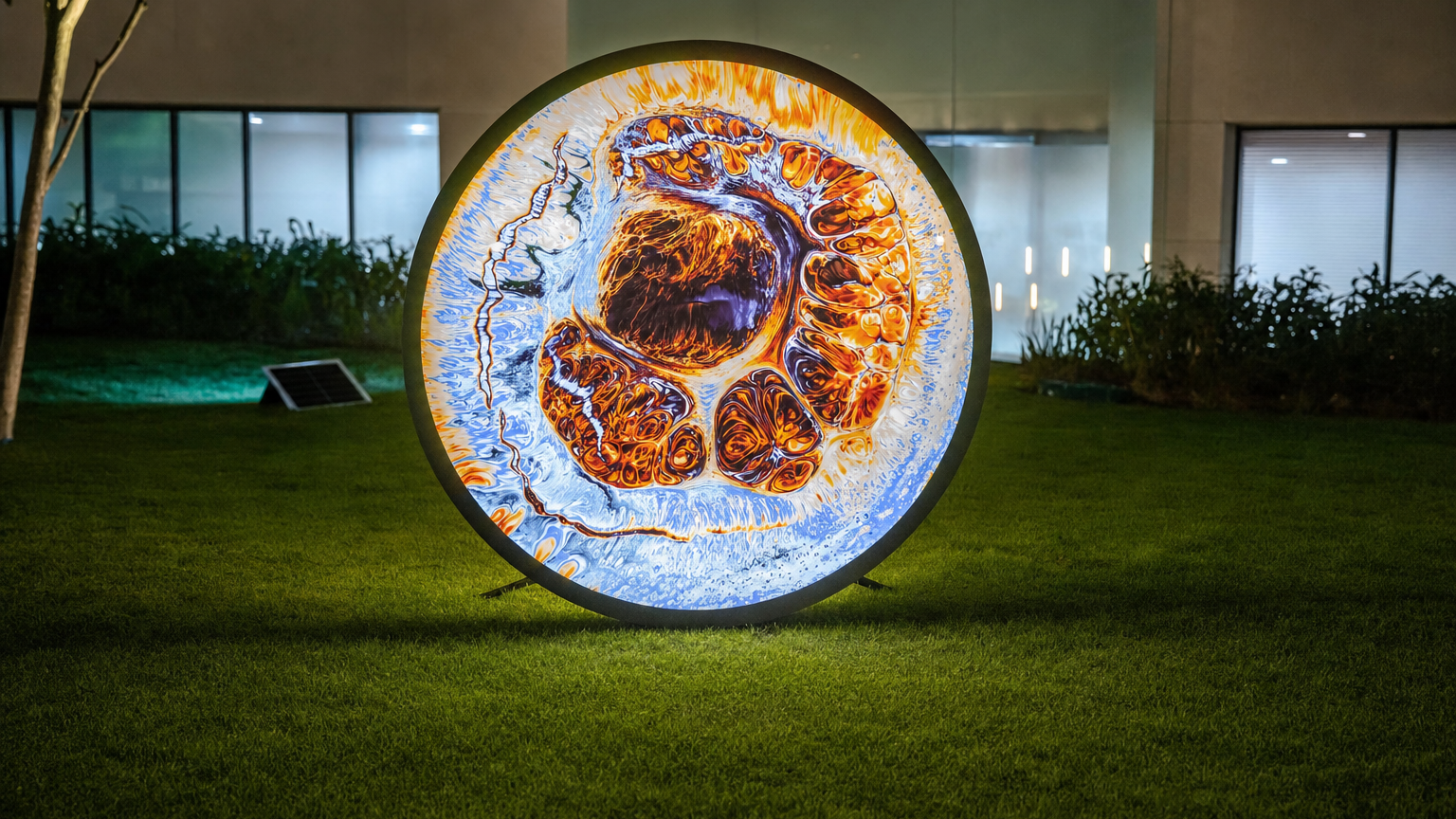
The financial centre’s arts programming has evolved from standalone events into an integrated ecosystem that includes its Sculpture Park, regular Art Nights and a dedicated Satellite Gallery, the DIFC statement indicated. Industry data from the Art Basel and UBS Global Art Market Report showed Middle East sales rising 17 percent year-on-year in the latest survey period, with Dubai accounting for a growing share of regional transactions. October’s lineup is expected to draw both local audiences and international visitors, reinforcing the city’s standing as a platform where established and emerging artists converge.
Further context from the media office release emphasised collaborations with local institutions and international galleries to ensure a balanced representation of voices from the Middle East, South Asia and beyond. One exhibition at Hyphen Contemporary in Abu Dhabi, though outside DIFC, was noted in regional roundups as part of the same seasonal wave, running mid-month with works by Martin Ong Yambao that probe ideas of consolidation and memory. Such programming, the DIFC release added, supports Dubai’s long-term vision of becoming a global centre for creativity while providing tangible opportunities for artists and collectors alike.