




Tate Britain launched an exhibition on October 4, 2026, that examines the creativity and rebellion transforming Britain throughout the 1990s, including the emergence of daytime dance events popular with British Asian communities in Bradford. Photographer Tim Smith captured the scene during that period, producing images that had remained largely unseen until their inclusion in the show. According to a BBC report, one prominent photograph depicts Rani Kaur, known as DJ Radical Sister, standing at the decks surrounded by young clubbers. The daytimers took place in nightclubs during daylight hours when venues stood empty, allowing participants to fuse Punjabi and South Asian musical traditions with contemporary British sounds while celebrating a distinct British Asian identity.
Smith first learned of the daytimers after noticing groups of young British Asian people carrying bags through Bradford city centre in the afternoon, the BBC reported. He soon discovered that cheap daytime hires of nightclub spaces enabled a generation to gather, dance and build a subculture rooted in joy and cultural innovation. The photographer noted in the report that many of his shots involved an element of luck yet consistently conveyed a sense of shared happiness among participants. These visuals now contribute to the Tate exhibition’s narrative on how such scenes influenced broader shifts in 1990s British society.
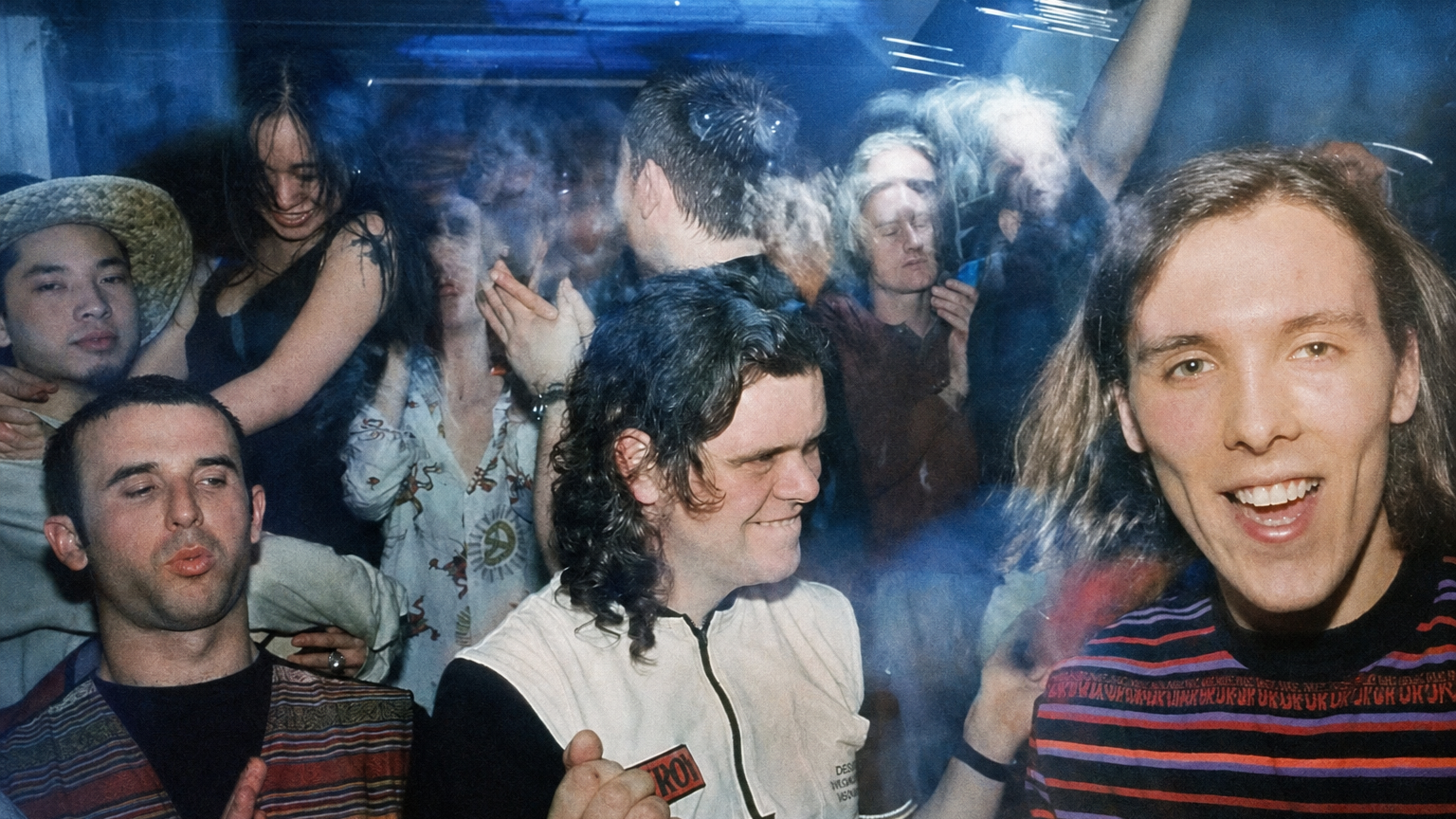
A BBC feature titled 10 iconic images capturing the chaotic energy of ’90s Brit culture draws attention to visual records that reflect the decade’s vibrant and often disorderly youth expressions across multiple scenes. The selection aligns with renewed interest in documenting and exhibiting 1990s cultural output. According to a Guardian picture essay published earlier this year, photographer Mischa Haller spent 1998 documenting clubbers in the hours after venues closed, from Brighton beaches at dawn to chaotic early-morning scenes in Edinburgh.
The British Culture Archive, a nonprofit dedicated to preserving documentary photography of British subcultures, compiled Haller’s images into the book Not Going Home, the organisation stated. Haller’s photographs portray post-club revellers in moments of laughter, relaxation and lingering energy, illustrating a unique British approach to nightlife and recovery. Similar archival efforts have elevated other 1990s photographers whose work captured rave and club environments throughout the United Kingdom.

Huck magazine previously profiled photographers such as Tony Davis, who documented the ecstatic atmosphere of early 1990s raves in the Midlands with images from venues including Venus in Nottingham and Eclipse in Coventry. Davis’s photographs, taken between 1990 and 1992, show dancers in bold clothing amid intense heat and energetic crowds responding to tracks like Rozalla’s Everybody’s Free. These records, alongside those in the Tate exhibition, provide a multifaceted view of how music, fashion and social gatherings defined the era’s countercultural movements.
The Tate Britain show places Smith’s daytimer images alongside other works exploring 1990s rebellion, according to the BBC. Smith recalled approaching the scene with initial curiosity before recognising its significance as a space for identity and celebration. The exhibition remains open, offering visitors direct engagement with primary visual sources from a pivotal decade in recent British history.