


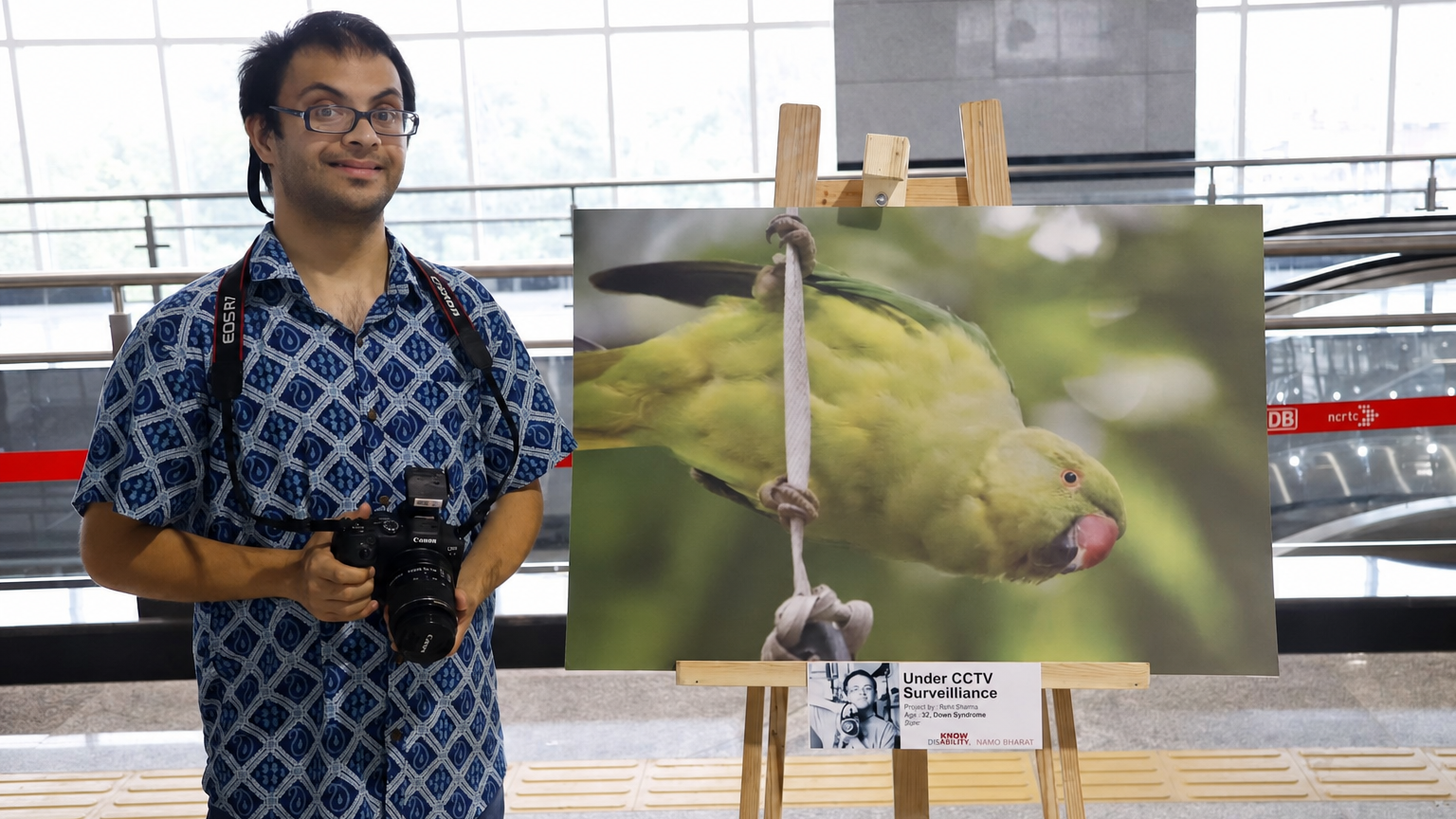


The National Capital Region Transport Corporation announced the agreement with the Indira Gandhi National Centre for the Arts to transform station premises into venues for curated cultural programming. Activities will encompass art and heritage exhibitions, literary programmes, workshops, lectures and awareness campaigns that bring India’s diverse traditions into daily commuter spaces. IGNCA will supply its specialised knowledge in cultural preservation while NCRTC supplies high-visibility locations within the rapid transit network, according to details released with the announcement.
NCRTC figures show the Delhi-Meerut Namo Bharat corridor has surpassed 45 million total commuter trips since operations began in 2023. The system now carries roughly 110,000 passengers each day, creating a steady audience for cultural outreach embedded in routine travel. Stations are already evolving beyond transit points into multipurpose public areas that incorporate local design themes and sustainable features.
Both organisations will jointly develop programmes that draw on the historical context of the region linking Delhi and Meerut, a joint statement from the partners indicated. The corridor passes through areas associated with pivotal events in India’s independence struggle and longstanding cultural landmarks. Initiatives are expected to engage regular commuters, students, young artists and educational groups through interactive sessions held directly at station complexes.
The Indira Gandhi National Centre for the Arts operates as an autonomous body under the Ministry of Culture with a mandate to document, preserve and disseminate Indian artistic heritage. IGNCA has executed similar outreach collaborations with public institutions to widen access to cultural content across varied settings. This pact extends that remit into modern transportation infrastructure serving the National Capital Region.
NCRTC has prioritised enhancements to passenger amenities as the network expands, its recent projects demonstrate. Earlier station developments emphasised integration of regional architectural motifs and environmental considerations. The addition of regular cultural programming further positions the facilities as community touchpoints rather than simple boarding locations.
The partnership is projected to open participation avenues for emerging talents and institutions focused on Indian arts, according to project outlines. Comparable transit-based cultural programmes in other major systems have elevated public engagement with heritage among time-pressed urban populations. As Namo Bharat services scale up across additional corridors, the cultural layer introduced through IGNCA expertise is expected to accompany that growth.