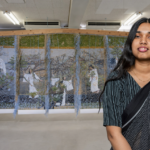





Alok Siddhi Tuladhar wrote in The Kathmandu Post on October 16, 2026 that the Pāyāḥ procession rooted in Newa beliefs and traditions has evolved in ways that threaten to overshadow its original significance. The ritual once served as a tribute to Ajimā, the Newari name for Matrika goddesses regarded as divine mothers by communities across the Kathmandu Valley. Tuladhar, who works as a cultural heritage conservation activist, accompanied his analysis with images of sword bearers cheered by friends and family during the parade. The piece examined how public participation has changed the event’s character over time.
A 2023 ethnographic study by anthropologist Gérard Toffin published in Studies in Nepali History and Society found that Matrika or Ajimā goddesses are worshiped by most Newar castes regardless of Hindu or Buddhist affiliation or social standing. Toffin’s assessment based on research in Thecho, Panauti and Kathmandu stressed an older autochthonous substratum evident in veneration of aniconic stones at shrines outside settlements paired with inner temples. The cults take forms including Asta Matrkas and Navadurgas with annual reunions of the deities’ different representations. Indigenous components stand out particularly among the Jyapu rice cultivator caste in the southern and central Valley.
Pāyāḥ derives from Newari terms for sword and procession according to a cultural overview published by the Daya Foundation. The ritual takes place on Vijaya Dashami with participants embodying mother goddesses who process while carrying khadga swords in search of demons after preliminary pujas at Taleju and other shrines. A 2020 account from Online Khabar described how the Matrikas enter states of possession before parading through neighborhoods such as Te Bahal, Wotu, Asan, Ko Hiti and Mahabouddha where they slice ash gourds representing evil forces. The practice forms part of broader Dashain observances that commemorate the triumph of good over evil.
Tuladhar observed in The Kathmandu Post that contemporary Pāyāḥ parades feature active cheering from spectators and family members supporting the sword bearers. The activist presented this development as a shift from the ritual’s earlier solemn focus on Ajimā toward a more communal spectacle. His article included a photograph of a sword bearer during the parade receiving encouragement from those around him. Such changes have prompted questions about the balance between tradition and evolving public engagement.
The Daya Foundation’s documentation of Newari rituals places Pāyāḥ within a larger framework of practices that sustain cultural identity in the Kathmandu Valley. Multiple communities organize their own versions of the Khadga Jatra each year with variations in attire and route. Tuladhar’s contribution as a conservation activist underscores ongoing discussions about how these events maintain spiritual depth amid growing participation. Related festivals such as Pāhāñ Charey also center on Ajimā processions that reinforce community bonds through masked dances and palanquin movements according to reports from the Nepali Times.