



Dr Taimoor ul Hassan argued in the Pakistan Observer that Pakistan’s development discussions have traditionally emphasised infrastructure, agriculture, industry and technology while underplaying the contributions of art, creativity and culture to economic advancement. These sectors generate jobs, foster innovation and strengthen communities, according to Hassan, who highlighted the potential for institutions such as the Institute of Art and Culture to link the nation’s heritage with creative industries, emerging technologies and fresh commercial prospects. The country’s languages, crafts, music, film, design and storytelling traditions constitute a major untapped resource that could support broader national progress.
Global creative economy figures underscore the opportunities available, with UN Trade and Development data showing that exports of creative services reached 1.7 trillion US dollars in 2024 while creative goods exports totalled 709 billion dollars. Hassan wrote that Pakistan could draw on this momentum through its strengths in fashion, textiles, handicrafts, filmmaking, animation, music, publishing, advertising, gaming and digital content. Such activities would create employment, bolster small businesses and bring in foreign exchange, enabling a designer in Lahore, an artisan in southern Punjab or a filmmaker in Karachi to reach international clients, often through remote work arrangements.
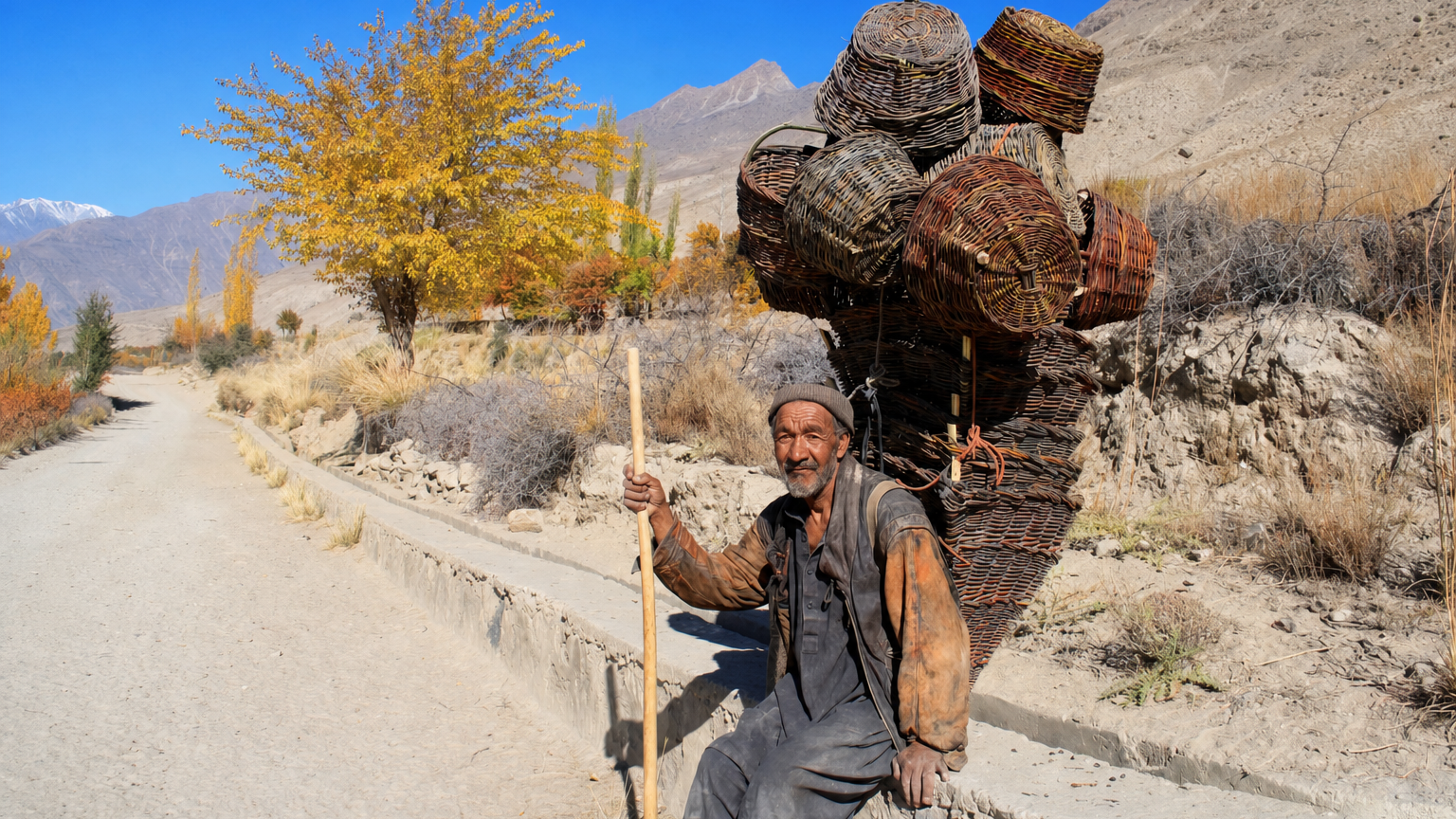
A British Council study of Pakistan’s creative economy found that crafts and related services alone account for as much as 15 per cent of national employment, illustrating an established base for expansion. Hassan noted in the Pakistan Observer that converting this foundation into sustained growth requires deliberate policy attention and investment. The analysis aligns with broader regional reviews that position creative industries as contributors to both economic output and social resilience.
The World Intellectual Property Organization’s Global Innovation Index 2026 ranked Pakistan 120th in its creative goods and services sub-pillar, a placement that Hassan said signals the importance of building better pathways from creative talent to market access. According to the newspaper article, recognising art and culture as vital to economic development, social cohesion and national advancement would help address this gap. Complementary reports from multilateral organisations have similarly called for stronger integration of cultural policy into development frameworks across South Asia.
Additional context from a separate Pakistan Observer piece on cultural heritage sites emphasised that preserving artistic traditions supports tourism and community identity while contributing to overall economic indicators. Hassan advocated treating creative sectors not as secondary concerns but as strategic assets capable of diversifying the economy beyond conventional industries. This perspective echoes findings in industry assessments that link investment in the arts to measurable gains in innovation metrics and youth engagement.
Further data from the British Council highlighted how Pakistan’s urban centres and growing middle class provide fertile ground for creative enterprise, spanning visual arts, performance, design and digital media. These activities build on the nation’s diverse cultural roots while adapting to global trends, according to the organisation’s review. Hassan concluded that embedding such elements into national planning would enhance both prosperity and unity across Pakistani society.