

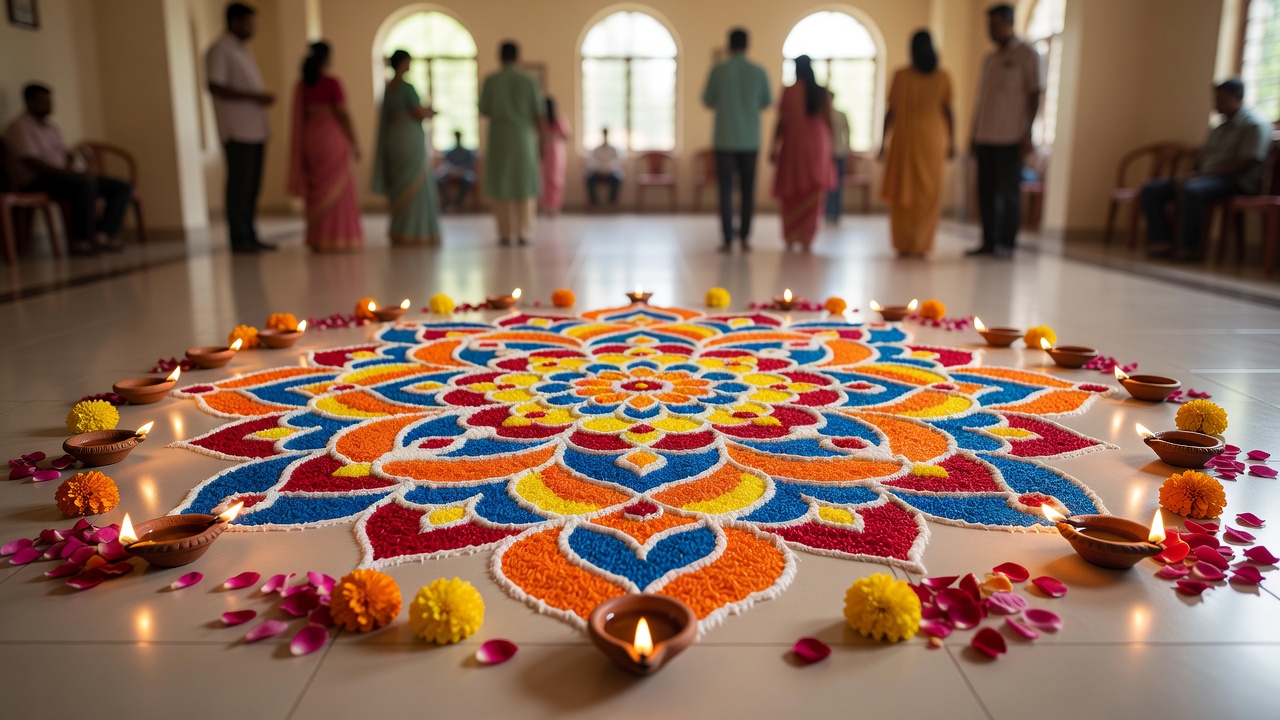


Citizens Journal reported that Malaysian Indian culture was celebrated through art and a Halloween bash that drew participants into traditional practices within a lively, multicultural environment. The events highlighted creative expressions ranging from intricate patterns to performances, helping connect younger generations to their roots while attracting diverse crowds across Malaysia. Such gatherings underscore the community’s ongoing efforts to keep customs vibrant amid a blend of influences.
According to the South China Morning Post, Halloween’s rising popularity in Malaysia has prompted calls for businesses to prioritize local festivities over imported ones when dates overlap with major cultural observances. The newspaper noted that Diwali, known locally as Deepavali, is observed by roughly 2 million Hindus along with a small Sikh population, symbolizing the triumph of light over darkness. Malls have faced criticism for allocating more space to seasonal Western decorations than to traditional lamps and feathers associated with the Indian festival.
The Star reported on October 7, 2025 that Datuk Mas Ermieyati Samsudin urged greater promotion of local cultural events instead of Western observances such as Halloween. Speaking at a press conference in Parliament, the Masjid Tanah MP stated that Halloween is not part of local or Asian culture. She questioned why large programs could not focus on Deepavali rather than the imported celebration.
Going Places by Malaysia Airlines highlighted artisans preserving Deepavali traditions, including Ruben Prakash, director of S4SKY Rangoli Kolam Malaysia, who creates detailed floor patterns using dyed rice grains. Prakash explained that a kolam welcomes visitors, brings prosperity and serves as an offering to nature by feeding birds and insects. The magazine also featured Sri Shangari Subramaniam of Jansri Sarees, who sees high demand for handwoven silks and cottons sourced from India in the months before the festival.
Pavilion REIT Malls announced in October 2025 a series of events across Kuala Lumpur venues that featured an Indian cultural extravaganza with performers specially brought from India. The program included traditional puppet theatre, live music, henna art stations and workshops on crafting lac bangles alongside tastings of regional Indian sweets and savories. In the announcement, the company described the activities as a way to honor Malaysia’s multicultural heritage through immersive experiences.
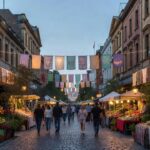
Visit Malaysia detailed how Deepavali celebrations in the country trace back to the 19th century migration of Tamil Hindus under British colonial rule, evolving from private family rituals to large public events with temple gatherings and cultural programs. The outlet noted that modern observances in cities like Penang and Kuala Lumpur incorporate street decorations, processions and festive markets that blend heritage with contemporary appeal. These traditions continue to strengthen community bonds and connect Malaysian Indians to their ancestral practices.
A separate assessment found in coverage from multiple outlets indicated that such artistic and festive initiatives support cultural continuity while addressing generational interests, particularly when overlapping with other seasonal events. The combined activities provide both education on historical contexts and opportunities for broader participation in Malaysia’s diverse society.