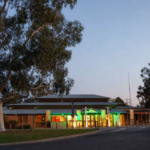


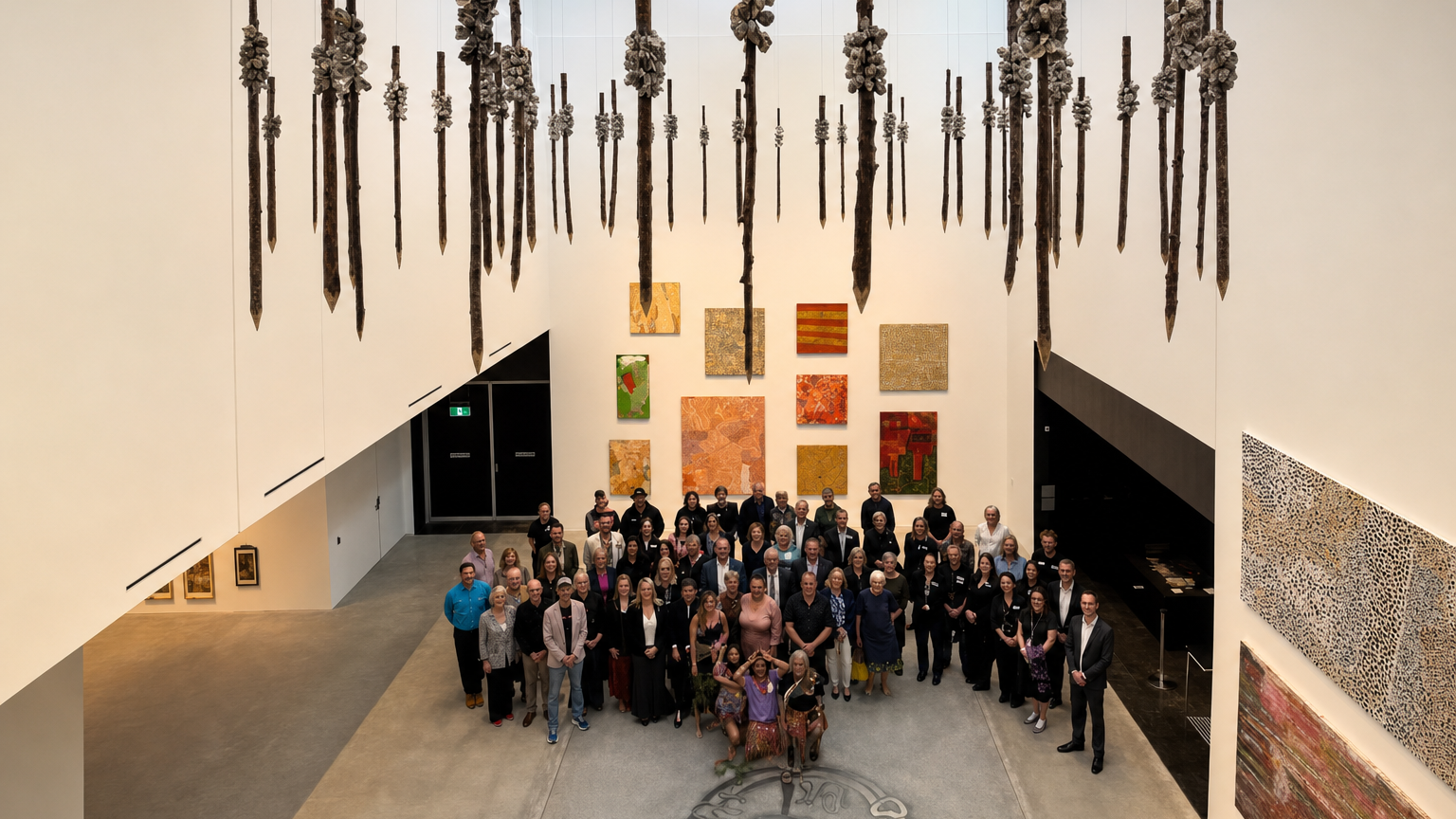


The City of Newcastle placed First Nations culture at the heart of its expanded art gallery, commissioning local Indigenous artists to produce major new works integrated into the building’s entry and central atrium ahead of the official opening. Director Lauretta Morton OAM stated that the gallery maintains a longstanding commitment to First Nations artists through acquisitions, commissions, exhibitions and dedicated programming. Morton described the initiative as embedding Indigenous creativity directly into the architectural fabric of the facility under a First Nations First approach. The director added that the new elements ensure First Nations perspectives remain grounded in the gallery for future generations.
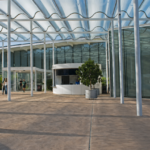
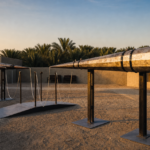
Renae Lamb, a descendant of the Wiradjuri and Wongaibon peoples of central New South Wales, designed a songlines pattern fabricated in steel and installed in the concrete floor of the central atrium. Her piece, titled Dabuyarra murun: A story of life, legacy, and connection, draws from themes of strong women and intergenerational stories while marking the junction between the original 1977 structure and the recent addition. Adam Manning contributed an immersive soundscape that activates as visitors arrive, using elements such as clapsticks and forest sounds to evoke a sense of calm and connection to the land. According to The National Tribune, these works join two suspended sculptures created by Awabakal artist Shellie Smith in collaboration with Newcastle sculptor Julie Squires and another by acclaimed Quandamooka artist Megan Cope.
Significant works by First Nations artists from the gallery’s collection appear alongside the new commissions when the expanded spaces opened to the public. The displays form part of the inaugural exhibition Iconic, Loved, Unexpected, which presents more than 500 pieces spanning the early 19th century to the present. A new gallery shop and learning studio also debuted at the opening, providing additional spaces for engagement with the collection and educational activities focused on Indigenous art and history.
The National Gallery of Australia launched its own Indigenous Art Triennial titled After the Rain in December 2025, featuring 10 artist-led installations that explore renewal, resistance and rebirth through diverse media including bark paintings and sculptures. The Canberra Times reported that the exhibition opens with portraits by Vincent Namatjira of all participating artists and runs through April 2026 as a celebration of contemporary First Nations practice. Such events reflect broader momentum in Australian cultural institutions toward centering Indigenous voices and narratives.
Morton told The National Tribune that the Newcastle project aligns with the gallery’s ongoing efforts to champion Indigenous creativity at every level of its operations. The combined permanent installations and temporary displays create multiple entry points for visitors to encounter First Nations perspectives from the moment they approach the building. Manning expressed hope that the soundscape would allow audiences to experience both the pulse of traditional instruments and the subtle sounds of the natural environment.
The expanded Newcastle Art Gallery also features an inaugural window commission by local artist Maggie Hensel-Brown, adding another layer to the visitor experience. These developments build on the institution’s history of collecting and presenting Australian art while prioritising Indigenous representation in its physical spaces. The opening program included opportunities for the community to engage directly with the new works and the broader collection now housed in the modernised facility.