




The Tiberina Island Gemelli Isola hospital in central Rome has developed the Isola.ART initiative to combine cancer treatment with exposure to art and culture, according to hospital director Vincenzo Valentini. Patients undergoing radiotherapy can select music and images via an interactive display before sessions that typically last around 10 minutes. During treatment they view high-resolution projections of landmarks such as the Baths of Caracalla and the Colosseum on screens surrounding the linear accelerator, Valentini told AFP reporters.
Valentini, director of the hospital’s Center for Therapeutic Oncology, described the program as a means to rebuild patients’ desire for life by introducing beauty into clinical spaces. “Because art expresses life and so it means bringing life into places where people are afraid of losing it,” Valentini said. He stressed that incorporating art into medical care “is not about sugarcoating care but is profoundly therapeutic,” adding that a positive, resilient patient has higher probabilities of recovery.
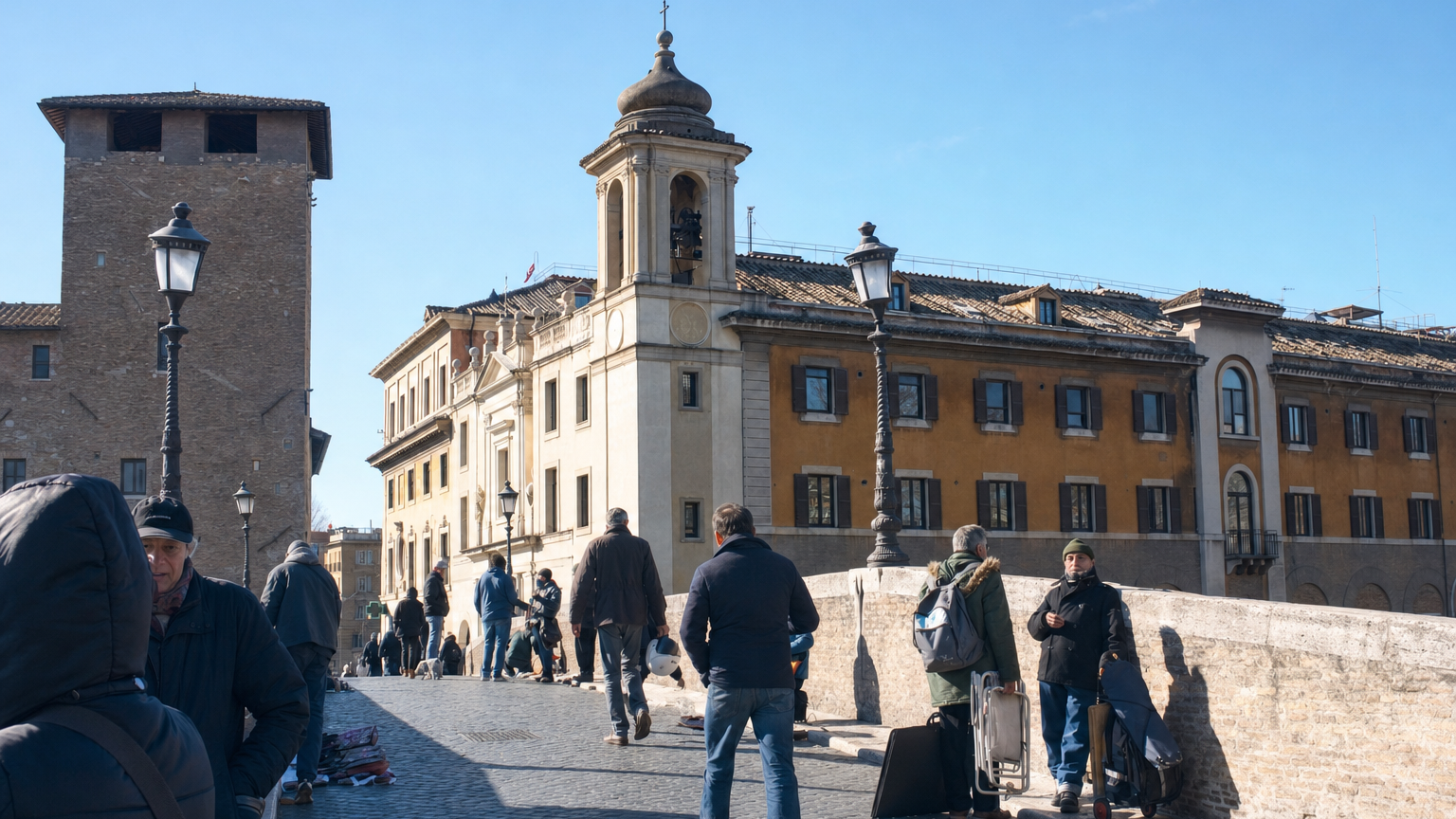
Patient Andrea Viani, 55, who completed five rounds of radiotherapy for a lung tumour diagnosed in May 2024, credited the aesthetic elements with aiding his physical relaxation. “The beauty element helped me a lot because it helped my body relax, and a relaxed body repairs itself,” Viani told AFP. The facility, located on an island in the Tiber River that also contains ancient temple ruins, forms part of the broader Gemelli Polyclinic network. Valentini noted that gratitude expressed by participants has encouraged further exploration of art’s potential impact on treatment efficacy.
Guided visits to cultural sites including the Colosseum, Palazzo Colonna and the Orange Garden are arranged for patients and relatives without requiring them to leave the hospital’s broader support framework, a Rome Reports dispatch indicated. These outings aim to stimulate relational and emotional engagement with heritage locations. The project, which began at the Gemelli Polyclinic in 2022 before expanding to the Tiberina Island site, collaborates with museums and archaeological authorities to deliver tailored experiences.
A systematic review published in the journal Supportive Care in Cancer examined 10 studies involving 495 cancer patients undergoing chemotherapy and found that art therapy produced positive effects on depression, anxiety, quality of life and psychological distress. Separate meta-analyses in the same journal, covering more than 1,500 participants across multiple trials, reported significant reductions in anxiety with a standardised mean difference of minus 1.12 and in depression with a standardised mean difference of minus 0.91. The reviews cautioned that while benefits appear consistent, additional rigorous research is required to confirm impacts on fatigue and other symptoms.
The initiative aligns with a protocol signed between CoopCulture and the Fondazione Ospedale Isola Tiberina – Gemelli Isola that provides digital immersive tools and free guided tours, according to an announcement covered by Corriere della Sera. Hospital president Paolo Nusiner described the approach as centring the person in their human, emotional and relational dimensions. Valentini has expressed hope that Italy will eventually allow art to be formally prescribed as a healing instrument on a wider scale.
Francesco Miccichè, head of oncological radiotherapy at the hospital, explained that the chosen images and sounds seek to activate resilience mechanisms while avoiding typical hospital odours and atmospheres. The program also seeks to benefit medical staff through the positive feedback loop created by more engaged patients, Valentini added in remarks carried by Italian news outlets. Ancient ruins on the hospital grounds further reinforce the constant presence of cultural heritage within the treatment environment.