



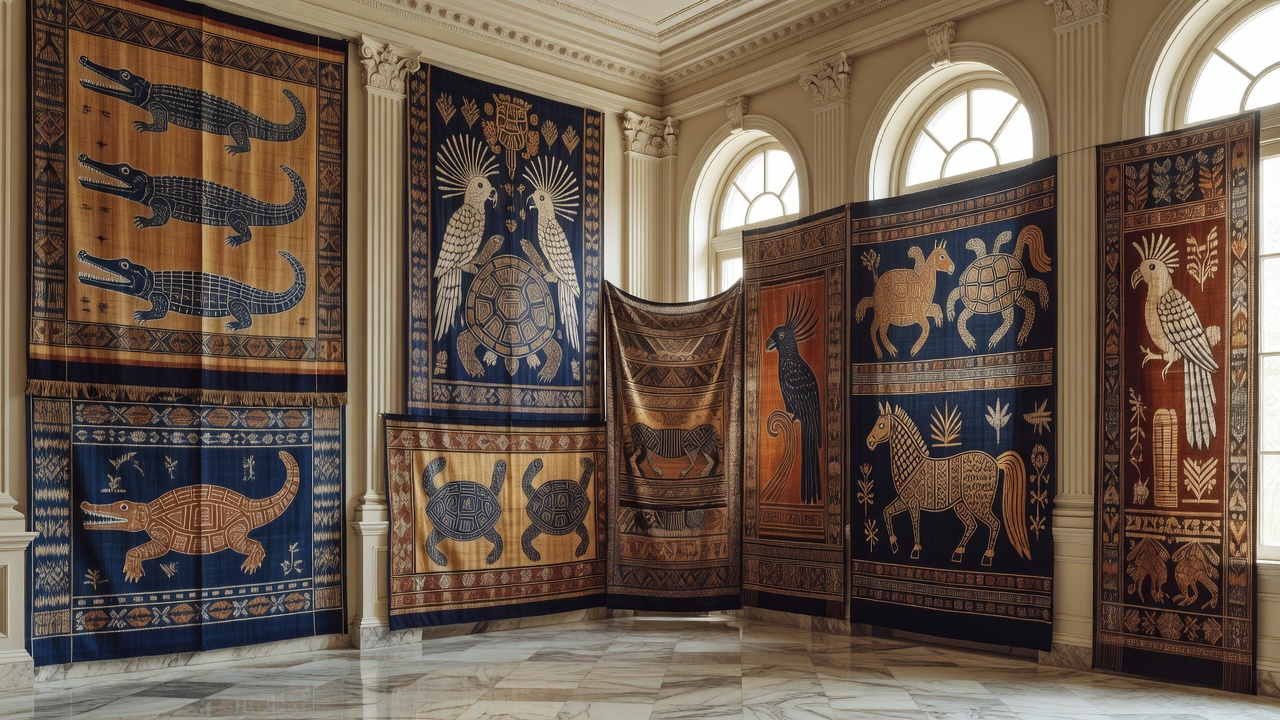


The Jakarta Post reported that majestic handwoven textiles from Sumba were displayed at a one-day exhibition organized by the Umaratu Foundation in early September at The Dharmawangsa Jakarta. Intricate patterns depicting crocodiles, turtles, cockatoos, horses and other figures that embody the island’s beliefs and wisdom covered the walls and corners of the grand ballroom foyer. These motifs have been passed down through generations in East Sumba, an area known for its indigo-dyed fabrics and central role in the island’s weaving tradition. Some designs can only be created after ancestral permission is obtained through ceremonies tied to the Marapu belief system.
Asha Smara Darra, formerly known as Oscar Lawalata, founded the Umaratu Foundation in December 2025 after falling in love with Sumba during her fashion career. The designer highlighted the extraordinary beauty of the handwoven textiles created by local people despite their limitations as they also tend to their land, cattle and households. Asha said at the exhibition’s opening that Indonesian textiles are not merely about beauty. She added that at this stage in her life she feels the need to leave a sustainable legacy for the people of Sumba and for Indonesia.
The foundation seeks to preserve cultural heritage while building sustainable livelihoods for communities in East Sumba through a cultural house under construction in Maujawa on one hectare of land. According to related coverage the initiative has engaged more than 100 weavers across five villages near the site since its inception. Umaratu rests on three main pillars of sandang, pangan and papan that draw on local traditions for clothing, food and shelter.
Sumba’s ikat weaving involves complex processes using natural dyes and motifs that reflect myths, social status and ancestral lines. The Jakarta Post noted that the displayed pieces came from villages including Prailiu, Pau, Rende, Kanatang and Kaliuda, which maintain these time-honored practices. Young people in the region have shown growing interest in the textiles, viewing their use as part of sustainable lifestyles that support regeneration of the craft.
Asha’s quarter-century career in Indonesian fashion has long incorporated traditional fabrics, leading to this focused effort on Sumba. The foundation collaborates with weavers, food researchers and builders to sustain knowledge in textiles, cuisine and architecture shaped by local materials. Umbu Kudu Maramba Lewa, a local youth representative, has helped establish learning gardens for children to foster appreciation of the heritage from an early age.
Exhibition proceeds and related activities support the physical development of the cultural house, envisioned as a collaborative space open to local, national and international partners. The Jakarta Post described how the foundation marks a shift toward leaving a broader impact beyond individual design work. Ongoing programs aim to empower weavers while addressing challenges in maintaining traditional techniques amid modern pressures.