




De Montfort University hosted a showcase of creative technology projects spanning virtual theatre to AI art, the institution reported on October 28, 2026. The presentations highlighted ongoing faculty research into immersive environments and generative systems that expand traditional artistic boundaries. Attendees examined prototypes and case studies developed across several university departments, according to the event summary. A university assessment found that such demonstrations help bridge creative practice with technological innovation in ways that influence both education and industry applications.
Earlier this year the university’s Creative Knowing Symposium brought together staff from arts, humanities, business, creative technologies and education for presentations on performance, digital storytelling, interactive art and artificial intelligence, organisers stated. Professor Tracy Harwood, one of the event coordinators, said the gathering underscored the value of curiosity, experimentation and collaboration. Harwood added that creative practice enables researchers to ask new questions, make unexpected connections and create conditions for new knowledge to emerge. The July 2026 symposium aimed to foster interdisciplinary links with potential to shape future research and professional practice.
Separate DMU work has produced a framework for converting orchestral recordings into interactive virtual reality experiences that listeners can inhabit and modify, a study published in the journal Electronics noted. Dr Jethro Shell, senior lecturer in the School of Computer Science and Informatics, led the project with Professor Sophy Smith from the University for the Creative Arts and support from the Philharmonia Orchestra. The MAVIS system, as it is known, visualises instrument groups as navigable elements within digital space, according to the researchers. Shell said most people experience orchestral music as something fixed and distant while the new approach allows listeners to move through the music, interact with it and shape their own experience of a composition in real time.
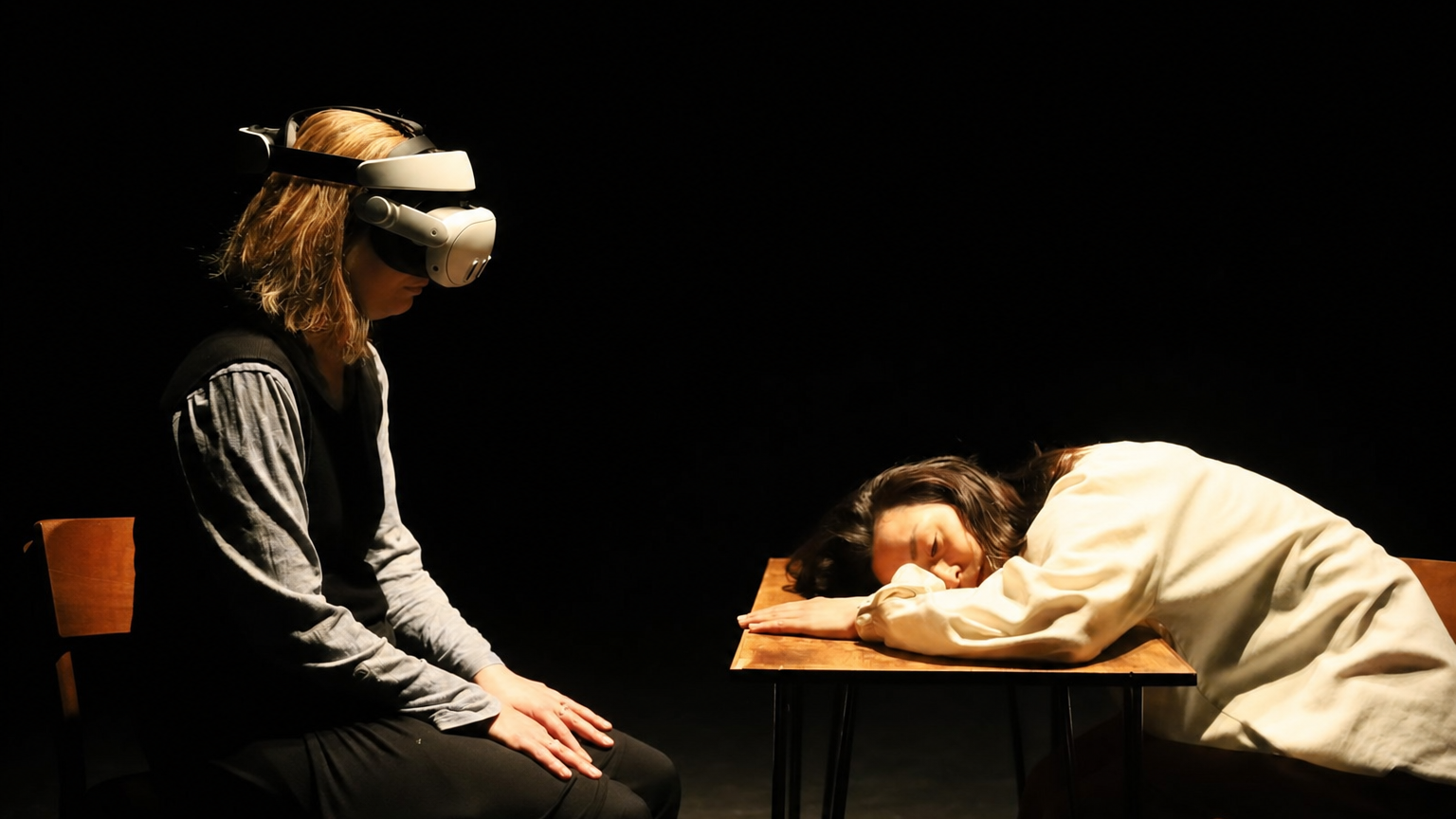
The university has also contributed to mixed-reality dance performances that combine live performers with volumetric captures viewed through virtual reality headsets, DMU records from 2025 show. Dr Kerryn Wise choreographed one such piece that reached the finals of the Lumen Prize in the performance and music category. Wise’s work places a single audience member in a hybrid physical-virtual space, the university explained. The project drew on post-doctoral research funded through the Midlands4Cities programme and involved collaboration with technologists and composers.
DMU’s Game Art course received Gold Academic Partner status from Epic Games in March 2026 in recognition of its teaching with the Unreal Engine platform, a university announcement stated. Student projects have produced richly detailed virtual environments that demonstrate professional-standard environment art skills, according to course leaders. One graduate’s final-year world earned finalist standing in the 2026 TIGA Outstanding Graduate of the Year awards. These educational initiatives complement the research showcased on October 28 by preparing students for roles in digital creative industries.
A Market Glass Inc report projected the global virtual production market to grow from US$2.9 billion in 2025 to US$7.5 billion by 2032 at a compound annual growth rate of 14.5 percent. The DMU showcase aligns with this expansion by testing practical applications of virtual reality and artificial intelligence in theatre and visual arts, the university indicated. Earlier European initiatives, including remote VR rehearsals for performers, have similarly explored emotional and technical dimensions of the technology. Organisers said the October event would inform future collaborations both inside the university and with external creative partners.