




A food review published by The Kathmandu Post on October 12 described the appeal of Malaysian cuisine at Sing-Ma, a restaurant that has served both Malaysian and Singaporean dishes in Kathmandu for 25 years. Reviewer Shrinkhala Chand Thakuri noted that unfamiliar items can feel exciting when they evoke the comforts of home through familiar spices, cooking techniques and combinations of rice and meat. The outlet’s menu features photographs of actual dishes to help customers navigate unfamiliar names, according to the review. Warm hospitality at Sing-Ma adds to the positive experience for diners exploring the cuisine.
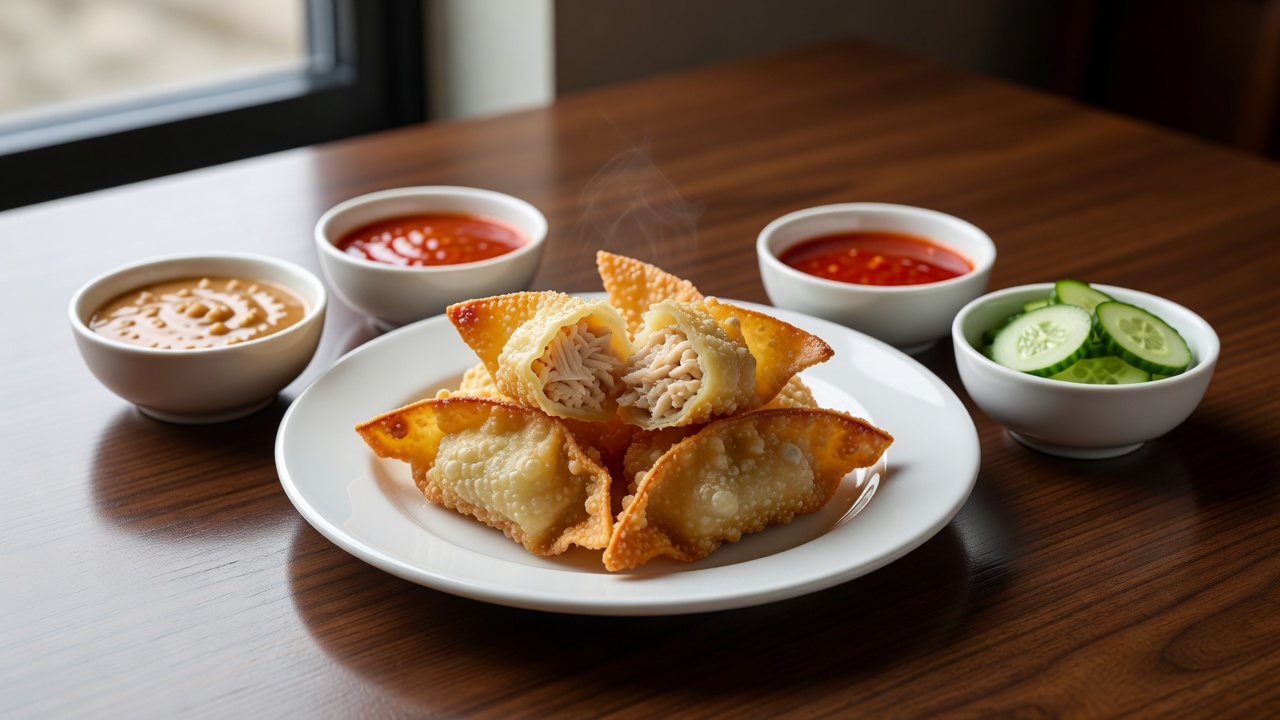
The culinary journey at the restaurant began with fried wontons served with peanut sauce, chilli sauce and cucumber slices, The Kathmandu Post reported. These items feature a crispy exterior paired with a soft, juicy chicken filling that is mildly seasoned. Such preparation allows the accompanying sauces to deliver much of the flavor profile, as detailed in the article by Thakuri. The review positioned these starters as an accessible introduction to the broader menu.
Malaysian food culture draws from multiple influences, which contributes to its sense of familiarity for many diners across Asia. An article published by GOYA on mamak stalls in Malaysia stated that the country’s cuisine is shaped by Indian, Chinese, Indonesian, Arab and colonial British elements. Dishes such as mee goreng at those stalls often resemble Chinese-style fried noodles or home versions eaten after school, the GOYA piece noted. This multicultural foundation helps explain why Malaysian fare can feel approachable in settings like Kathmandu restaurants.[[1]](https://www.goya.in/blog/mamak-stalls-in-malaysia)
A travel guide to Kuala Lumpur published by Serious Eats described Malaysian food as drawing from nearly every culture in Asia layered with influences from Europe, the Americas and beyond. Contributor Alia Ali told Serious Eats that trying to define Malaysian cuisine is difficult because the country emphasizes diversity rather than assimilation. The guide highlighted items such as nasi lemak as a breakfast staple often paired with sambal and other toppings that reflect this blend. Such diversity aligns with the comforting yet novel aspects noted in the Kathmandu Post review of Sing-Ma.[[2]](https://www.seriouseats.com/travel-guide-kuala-lumpur-malaysia-11700960)
Trends across the Asia Pacific show strong interest in authentic local signature dishes, which may extend to Malaysian cuisine served abroad. A report covered by The Grid Asia from the Future of Food 2027 found that 95 percent of surveyed properties named such dishes as the strongest trend in their markets. In Malaysia, 50 percent of diners seek healthier food options while 54 percent show growing interest in vegetarian dishes, according to the same report. These patterns could support venues like Sing-Ma that introduce heritage flavors to new audiences in Nepal.[[3]](https://thegridasia.com/the-local-edit-a-99-minute-experience-curated-from-the-future-of-food-2027/)
The Kathmandu Post review framed Sing-Ma as a long-standing option for those seeking Malaysian and Singaporean food in the Nepali capital. Its 25 years of operation have allowed the restaurant to refine an approach that balances familiar elements with new discoveries for customers. Thakuri’s account emphasized how the combination of visual menu aids and attentive service facilitates an enjoyable introduction to the cuisine. The publication’s coverage adds to broader discussions of cross-cultural dining experiences in Kathmandu.